

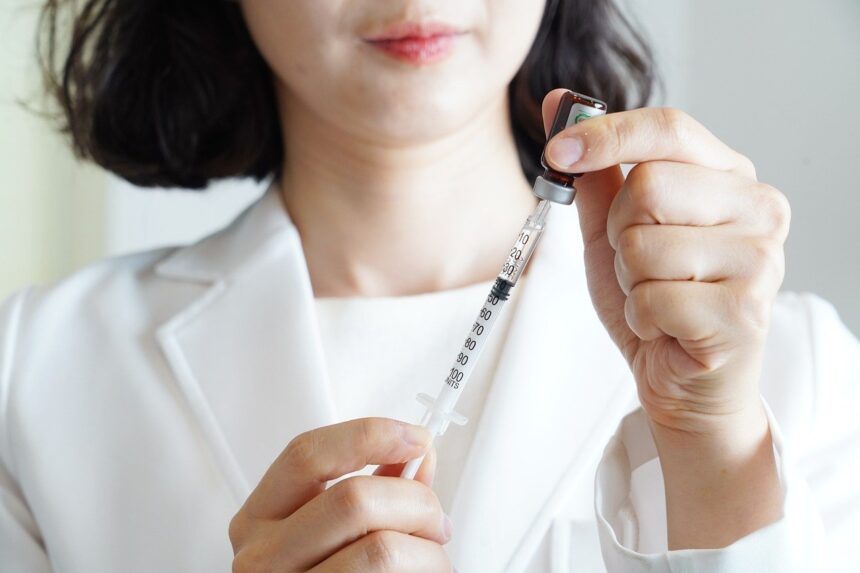
Immunization is one of the most effective ways to protect children from preventable diseases.
Introduction
From the moment a child is born, their body begins to interact with the world around them: air, food, people, and microorganisms.
While some of these interactions are harmless, others can expose children to serious and sometimes life-threatening diseases. This is where immunization plays a vital role.
Immunization is more than just a medical routine or a requirement for school entry; it is a powerful public health tool that has saved millions of children’s lives globally.
Yet, despite its proven effectiveness, many parents still have questions, fears, or misconceptions about vaccines.
This article explains what immunization really means, how it works, and why it is essential for protecting children, families, and communities.
What Is Immunization?
Immunization is the process of building protection in the body against specific infectious diseases.
It works by helping the immune system recognize harmful microorganisms and respond to them effectively. Instead of waiting for a child to get sick and then develop immunity naturally, immunization prepares the body in advance.
This protection is achieved through vaccines that safely introduce weakened, inactive, or partial forms of a disease-causing organism.
These components are enough to stimulate the immune system without causing the disease itself.
Immunization vs Vaccination
While closely related, immunization and vaccination are not exactly the same. Vaccination is the physical act of giving a vaccine, usually through injection or oral drops. Immunization, on the other hand, refers to the body’s response after vaccination when the immune system develops antibodies and memory cells that provide long-term protection.
This distinction is important because receiving a vaccine does not automatically mean immunity is complete. Some vaccines require multiple doses or boosters to achieve full immunization.
How the Immune System Works in Children
The immune system is the body’s defense mechanism against infections. In children, this system is still developing, which makes them more susceptible to diseases that adults may easily fight off.
Newborns receive some temporary immunity from their mothers, especially during pregnancy and breastfeeding.
However, this protection fades within the first few months of life. As children grow, they are exposed to new environments, people, and germs, increasing their risk of infection.
Because their immune systems have not yet encountered many pathogens, children lack the memory cells needed to fight infections quickly. Immunization fills this gap by teaching the immune system how to respond before exposure occurs.
MUST READ:Sugar vs Honey vs Dates: Which Is Healthier?
How Vaccines Work
Vaccines function by mimicking a natural infection in a controlled and safe way. When a vaccine enters the body, the immune system recognizes it as a potential threat and activates its defense mechanisms.
What Happens After Vaccination?
After vaccination, immune cells respond by producing antibodies specifically designed to fight the targeted disease.
At the same time, memory cells are created. These memory cells remain in the body for years, sometimes for life.
If the child later comes into contact with the real disease, the immune system recognizes it immediately and responds faster and more effectively, preventing illness or reducing its severity. This is what makes vaccines such a powerful preventive tool.
Why Immunization Is Important for Children
Over time, immunization helps reduce the spread of infectious diseases and lowers the overall burden on healthcare systems.
Immunization protects children during the most critical stages of growth and development. It prevents infections that can interfere with physical development, learning, and overall wellbeing.
Protection Against Life-Threatening Diseases
Many vaccine-preventable diseases can lead to serious complications such as paralysis, brain damage, hearing loss, or death. Immunization shields children from these risks by preventing infection or reducing disease severity.
Reduction in Child Mortality
Before the widespread use of vaccines, diseases such as measles, polio, and tetanus claimed millions of young lives. Immunization programs have drastically reduced child mortality, making them one of the most effective child survival interventions in history.
Immunization and Herd Immunity
Herd immunity occurs when enough people in a community are immunized, reducing the chance of disease transmission. This creates indirect protection for individuals who cannot be vaccinated.
This includes parents of newborns who are too young for vaccines and children with certain medical conditions. When immunization coverage drops, herd immunity weakens, increasing the risk of outbreaks that can spread rapidly through communities.
The Childhood Immunization Schedule
Vaccines are scheduled at specific ages based on when children are most vulnerable and when vaccines are most effective.
Why Timing Matters
Administering vaccines at the recommended times ensures early protection before exposure occurs. Delaying or skipping vaccines leaves children vulnerable during critical periods. Booster doses are also important because they strengthen and extend immunity over time.
Addressing Common Concerns About Immunization
Despite strong scientific evidence, concerns about vaccines persist.
Are Vaccines Safe for Children?
Vaccines are thoroughly tested for safety and effectiveness before approval and continue to be monitored. Most side effects are mild and temporary, such as slight fever or swelling at the injection site. Serious reactions are extremely rare.
Do Vaccines Cause Too Much Stress on the Immune System?
A child’s immune system is capable of handling multiple vaccines. Every day, children encounter countless germs in their environment. Vaccines represent only a small and controlled challenge compared to natural infections.
Why Are Multiple Doses Needed?
Some vaccines require multiple doses to build and maintain strong immunity. Each dose strengthens the immune response and ensures long-term protection as the child grows.
What Happens When Children Are Not Immunized?
Children who are not immunized face higher risks of severe illness, hospitalization, and complications. They also become potential carriers who can spread infections to others.
Communities with low immunization rates are more likely to experience disease outbreaks, reversing years of progress in child health and increasing preventable deaths.
The Role of Parents and Caregivers
Parents and caregivers are responsible for making informed decisions about their children’s health. This includes following immunization schedules and seeking reliable information.
Healthcare providers play a key role in answering questions, addressing fears, and guiding parents through the immunization process. Keeping accurate records and attending follow-up appointments ensures full protection.
Final Thoughts
Immunization is a proven, life-saving intervention that protects children from preventable diseases and supports healthy growth and development. It strengthens the immune system, reduces child mortality, and safeguards communities through herd immunity.
Protecting children through immunization today lays the foundation for a healthier and more resilient future.