

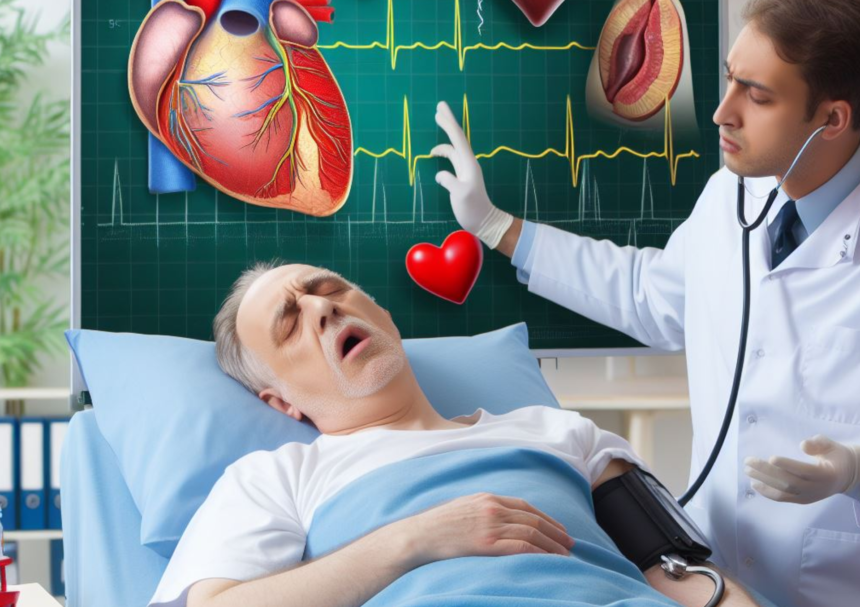
A heart attack can happen suddenly, but the warning signs and risk factors often build over time. Understanding what it is, what causes it, and how to prevent it can save lives.
Introduction
Heart disease remains one of the leading causes of death worldwide, and at the center of it is the heart attack. For many people, it feels like something that happens without warning, but in most cases, the body gives signals long before it occurs.
A heart attack is not just a medical emergency it is often the result of long-term lifestyle patterns, underlying health conditions, and unmanaged risk factors.
The more you understand it, the better equipped you are to protect yourself and those around you.
Knowing the causes, recognizing the signs early, and taking preventive steps can make a life-saving difference.
Understanding a Heart Attack
A heart attack occurs when blood flow to a part of the heart is blocked. This blockage prevents oxygen from reaching the heart muscle, causing damage to the affected area.
In most cases, the blockage is caused by a buildup of fatty deposits in the arteries, which narrow the passage through which blood flows. When one of these deposits ruptures, it can form a clot that completely blocks the artery.
Without immediate treatment, the affected part of the heart muscle begins to die, which is why a heart attack is considered a medical emergency.
Common Causes of a Heart Attack
A heart attack is rarely caused by a single factor. Instead, it is usually the result of several conditions and habits that develop over time.
One of the primary causes is the buildup of plaque in the arteries, often linked to unhealthy eating habits, lack of physical activity, and high cholesterol levels. This process gradually reduces blood flow to the heart.
High blood pressure also plays a major role by putting extra strain on the heart and damaging blood vessels. Over time, this makes it easier for blockages to form.
Other contributing factors include smoking, excessive alcohol consumption, chronic stress, and conditions such as diabetes. These factors can weaken the heart and increase the likelihood of a blockage.
In some cases, genetic factors can also increase the risk, making it even more important to adopt preventive habits early.
MUST READ:8 Practical Ways to Manage Excessive Daytime Sleepiness
Warning Signs You Should Never Ignore
The symptoms of a heart attack can vary from person to person, but there are common warning signs that should never be ignored.
One of the most recognized symptoms is chest discomfort, which may feel like pressure, tightness, or pain. This sensation can last for several minutes or come and go.
Pain may also spread to other areas such as the arms, neck, jaw, or back. Some people experience shortness of breath, even without chest pain.
Other signs include cold sweats, nausea, dizziness, or an unusual feeling of fatigue. In some cases, especially among women, symptoms may be less obvious and include mild discomfort, weakness, or indigestion-like sensations.
Because symptoms can differ, it is important to pay attention to any unusual or persistent discomfort and seek medical help immediately.
Who Is Most at Risk
Certain factors increase the likelihood of experiencing a heart attack. Age is one of them, as the risk generally increases over time.
Lifestyle habits such as poor diet, lack of exercise, and smoking significantly raise the risk. Being overweight or obese can also contribute by increasing strain on the heart.
Medical conditions like high blood pressure, high cholesterol, and diabetes further increase the chances of developing heart disease.
Family history also plays a role. If close relatives have experienced heart-related conditions, your risk may be higher, making early prevention even more important.
Prevention: How to Protect Your Heart
Preventing a heart attack starts with taking care of your overall health. Simple, consistent habits can significantly reduce your risk over time.
Eating a balanced diet that includes natural, nutrient-rich foods helps keep your arteries healthy and reduces the buildup of harmful substances. Reducing salt, sugar, and unhealthy fats is equally important.
Regular physical activity strengthens the heart and improves circulation. Even moderate exercise, when done consistently, can have a lasting impact.
Managing stress is another key factor. Chronic stress can affect your heart in ways that are not always visible but are deeply impactful over time.
Getting enough sleep allows your body to recover and maintain balance. Poor sleep patterns can increase the risk of heart-related conditions.
Avoiding harmful habits such as smoking and excessive alcohol consumption also plays a major role in protecting your heart.
When to Seek Immediate Help
A heart attack requires immediate medical attention. Delaying treatment can lead to serious complications or even death.
If you or someone around you experiences symptoms such as chest pain, difficulty breathing, or sudden discomfort in the upper body, it is important to seek help right away.
Quick action can limit damage to the heart and improve the chances of recovery.
Final Thoughts
A heart attack may seem sudden, but it is often the result of factors that develop over time. The good news is that many of these factors are within your control.
By understanding the causes, recognizing the warning signs, and making simple lifestyle changes, you can significantly reduce your risk.