

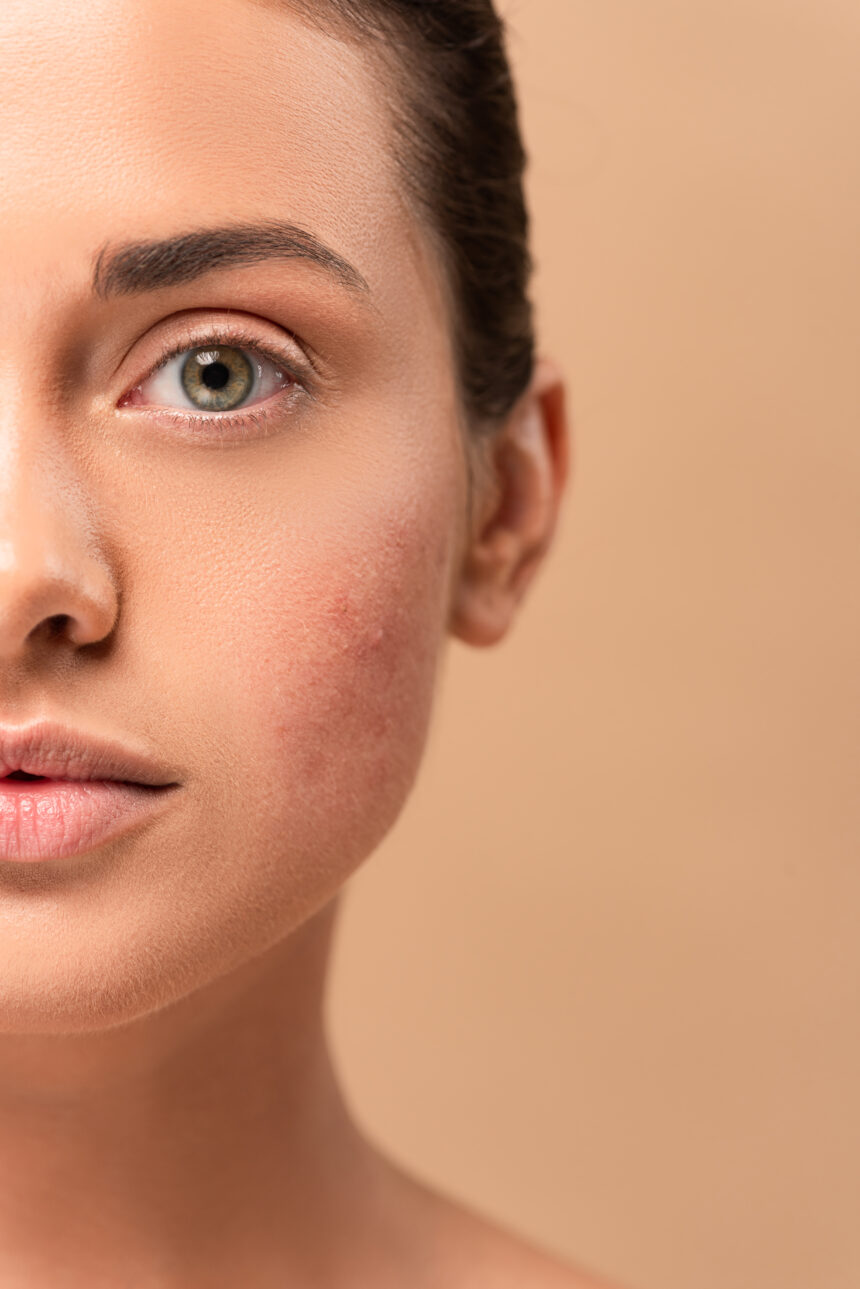
Your skin barrier is your body’s first line of defense against environmental stressors, bacteria, and moisture loss.
Introduction
If you’ve ever dealt with persistent dryness, redness, irritation, or sudden skin sensitivity, a damaged skin barrier may be to blame. In recent years, the skin barrier has become a major focus in skincare, and for good reason.
This thin outer layer of skin works around the clock to protect your body from environmental aggressors while helping your skin stay hydrated and healthy.
When the skin barrier functions properly, your complexion looks smooth, balanced, and resilient. However, when it’s compromised, your skin may become dry, irritated, and more prone to breakouts or inflammation.
Understanding how the skin barrier works can help you make better skincare choices and avoid habits that may do more harm than good.
What Is the Skin Barrier?
The skin barrier, often referred to as the stratum corneum, is the outermost layer of the skin. It consists of skin cells held together by lipids such as ceramides, cholesterol, and fatty acids. Many experts compare it to a brick wall, where the skin cells act as the bricks and the lipids serve as the mortar holding everything together.
This protective layer helps prevent water loss, shields against pollution and irritants, and protects the body from harmful microorganisms.
Without a healthy skin barrier, your skin would struggle to maintain hydration and defend itself against everyday environmental threats.
Why Your Skin Barrier Is Important
A healthy skin barrier does much more than keep your skin looking good. It supports overall skin health and helps prevent a variety of common skin concerns.
It Helps Retain Moisture
One of the skin barrier’s primary functions is preventing excessive water loss. When the barrier is healthy, it keeps moisture locked into the skin, helping maintain softness, elasticity, and hydration.
It Protects Against Environmental Damage
Your skin encounters pollutants, UV rays, harsh weather conditions, and irritants every day. The skin barrier acts as a shield, minimizing the damage these external factors can cause.
It Supports Healthy Skin Function
A strong skin barrier helps regulate the skin’s natural processes and maintain balance. This can contribute to a smoother texture, fewer flare-ups, and improved overall skin appearance.
Signs of a Damaged Skin Barrier
When the skin barrier becomes weakened, your skin often sends clear warning signals. Recognizing these signs early can help prevent further damage.
Persistent Dryness
Skin that feels dry no matter how much moisturizer you apply may indicate a compromised barrier. Damaged skin struggles to retain moisture effectively.
Redness and Irritation
A weakened barrier makes the skin more vulnerable to irritants and environmental stressors, often resulting in redness, inflammation, or discomfort.
Increased Sensitivity
Products that once worked well may suddenly cause stinging, burning, or irritation. This heightened sensitivity is a common sign of barrier damage.
Flaking and Rough Texture
When the skin barrier is impaired, skin cells may not shed properly, leading to rough patches, peeling, or flaky skin.
Frequent Breakouts
A damaged barrier can trigger inflammation and disrupt the skin’s natural balance, making breakouts more likely in some individuals.
MUST READ: 10 Powerful Ways Men Can Protect Their Mental Health Every Day
What Causes Skin Barrier Damage?
Many everyday habits and environmental factors can weaken the skin barrier over time. Understanding these causes can help you avoid unnecessary damage.
Over-Exfoliation
Using strong exfoliating acids, scrubs, or retinoids too frequently can strip away essential lipids and compromise the skin’s protective layer.
Harsh Cleansers
Cleansers that leave the skin feeling tight or squeaky clean may remove too much of the skin’s natural oils, leading to barrier disruption.
Excessive Sun Exposure
Ultraviolet radiation can damage skin cells and weaken the skin’s ability to protect itself, making daily sunscreen use essential.
Environmental Stressors
Cold weather, low humidity, pollution, and strong winds can all contribute to skin barrier damage by increasing moisture loss and irritation.
Overusing Active Ingredients
While ingredients like retinol, glycolic acid, and salicylic acid can be beneficial, excessive use can overwhelm the skin and impair barrier function.
How to Protect and Strengthen Your Skin Barrier
Fortunately, the skin barrier has an impressive ability to repair itself when given the right support. These habits can help restore and maintain healthy skin.
Choose a Gentle Cleanser
Look for mild, non-stripping cleansers that remove dirt and oil without disrupting the skin’s natural protective layer.
Moisturize Consistently
Moisturizers help reinforce the skin barrier by reducing water loss and replenishing essential lipids. Ingredients such as ceramides, glycerin, and hyaluronic acid can be particularly beneficial.
Avoid Over-Exfoliating
Exfoliation can improve skin texture, but too much can damage the barrier. Most people only need exfoliation a few times per week, depending on their skin type and product strength.
Wear Sunscreen Daily
Broad-spectrum sunscreen helps protect the skin barrier from UV damage, one of the leading causes of premature aging and skin irritation.
Simplify Your Skincare Routine
If your skin feels irritated or overwhelmed, consider reducing the number of active ingredients in your routine and focusing on hydration and barrier repair.
Use Barrier-Friendly Ingredients
Ingredients such as ceramides, niacinamide, squalane, colloidal oatmeal, and panthenol can help support skin barrier health and reduce irritation.
How Long Does It Take to Repair a Damaged Skin Barrier?
Skin barrier recovery varies depending on the severity of the damage and the steps taken to support healing.
Mild barrier damage may improve within a few days to a couple of weeks, while more significant damage can take several weeks or even months to fully recover.
Consistency is key. During the healing process, it’s best to avoid harsh treatments and focus on gentle, nourishing skincare products that support the skin’s natural repair mechanisms.
When to See a Dermatologist
While many cases of skin barrier damage can improve with proper care, some symptoms may require professional evaluation.
If you experience severe redness, persistent irritation, painful skin reactions, worsening eczema, or symptoms that do not improve despite adjusting your skincare routine, consider consulting a dermatologist.
A professional can help identify underlying causes and recommend appropriate treatment options.
Final Thoughts
A healthy skin barrier is the foundation of healthy skin. Protecting it can improve hydration, reduce sensitivity, and enhance your skin’s overall appearance.
While trendy skincare products often promise dramatic results, maintaining a strong skin barrier is one of the most effective things you can do for long-term skin health. By choosing gentle products, avoiding over-exfoliation, moisturizing regularly, and protecting your skin from the sun, you can support your skin’s natural defenses and keep your complexion looking its best.