

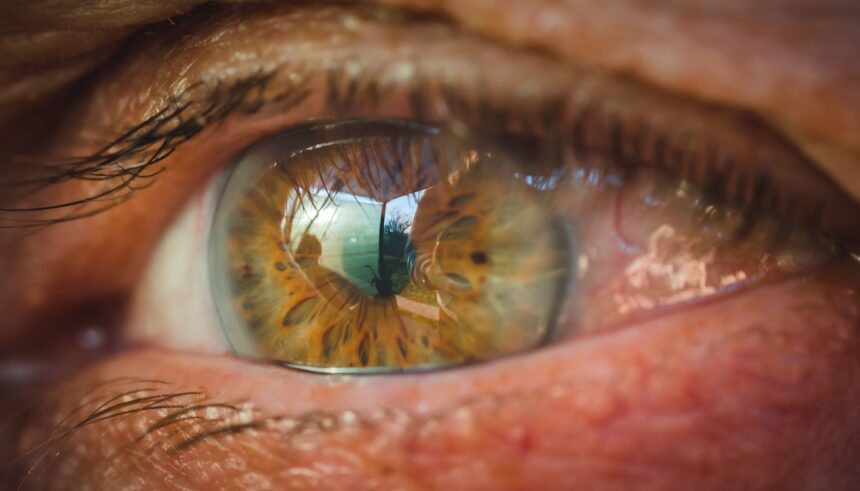
Glaucoma is a group of eye conditions that can damage the optic nerve and lead to permanent vision loss if left untreated. Because it often develops without noticeable symptoms in its early stages, regular eye examinations are essential for protecting your sight.
Introduction
Your eyes play an important role in how you experience the world, but many people only pay attention to their eye health when they begin to notice changes in their vision.
One condition that deserves particular attention is glaucoma. It is a group of eye diseases that damage the optic nerve, which carries visual information from the eye to the brain. The damage can gradually reduce your vision and may eventually lead to blindness.
One of the greatest dangers of glaucoma is that it can develop silently. You may have no pain, redness or obvious vision problems until significant damage has occurred.
Understanding glaucoma, recognising its risk factors and getting your eyes examined regularly can help protect your vision.
What Is Glaucoma?
Glaucoma refers to a group of eye conditions that damage the optic nerve. This damage is often associated with increased pressure inside the eye, although glaucoma can also develop when eye pressure is within the normal range.
The eye continuously produces a clear fluid that helps nourish its internal structures. This fluid normally drains through channels inside the eye.
When the fluid does not drain properly, pressure inside the eye may increase. Over time, this pressure can contribute to damage to the optic nerve in susceptible people.
However, high eye pressure does not automatically mean that someone has glaucoma, and normal eye pressure does not completely rule it out.
Once the optic nerve has been damaged, the lost vision cannot usually be restored. Treatment focuses on preventing or slowing further damage.
What Are the Different Types of Glaucoma?
There are several types of glaucoma. Understanding the differences can help explain why the condition affects people in different ways.
1. Open-Angle Glaucoma
Open-angle glaucoma is one of the most common forms of the disease. It occurs when the drainage system inside the eye does not function efficiently, allowing pressure to increase in some cases.
The condition usually develops slowly and may not cause noticeable symptoms in its early stages.
Peripheral vision, which allows you to see objects at the sides while looking straight ahead, is often affected first.
Because the changes can be gradual, a person may not realise that their vision is deteriorating until the disease has progressed.
2. Angle-Closure Glaucoma
Angle-closure glaucoma occurs when the drainage angle inside the eye becomes blocked or closes, preventing fluid from draining normally.
A sudden attack can cause a rapid increase in eye pressure and is a medical emergency. Symptoms may include severe eye pain, a red eye, blurred vision, coloured rings around lights, headache, nausea and vomiting.
If these symptoms occur suddenly, seek emergency eye care immediately. Prompt treatment is essential to reduce the risk of permanent vision loss.
3. Normal-Tension Glaucoma
Normal-tension glaucoma occurs when the optic nerve becomes damaged even though measured eye pressure remains within the usual range.
The exact reasons this happens are not fully understood. Blood flow to the optic nerve and other factors may contribute.
This type of glaucoma demonstrates why checking eye pressure alone is not enough to determine whether someone has the disease.
4. Congenital and Childhood Glaucoma
Glaucoma can sometimes occur in babies and children. It may be present at birth or develop during childhood.
Possible warning signs in infants include unusually large or cloudy eyes, excessive tearing and sensitivity to light.
A child with these symptoms should be assessed promptly by an eye specialist. Early diagnosis and treatment can help protect developing vision.
5. Secondary Glaucoma
Secondary glaucoma develops because of another condition or contributing factor. Possible causes include eye injuries, inflammation inside the eye, certain eye diseases, some medications and complications of other medical conditions.
For example, prolonged or inappropriate use of corticosteroid medicines, including certain steroid eye drops, can increase eye pressure in susceptible people.
Never stop a prescribed steroid medicine abruptly without consulting the healthcare professional who prescribed it. If you use steroid eye drops, follow the recommended instructions and attend any advised monitoring appointments.
MUST READ: Common Health Myths Men Should Stop Believing
What Are the Symptoms of Glaucoma?
The symptoms depend on the type and stage of glaucoma. In many cases, particularly open-angle glaucoma, there may be no noticeable symptoms at first. As the condition progresses, a person may experience:
- Gradual loss of peripheral vision.
- Increasing difficulty seeing objects at the sides.
- Patchy areas of missing vision.
- Difficulty navigating unfamiliar places as vision deteriorates.
- Severe eye pain and redness in an acute angle-closure attack.
- Blurred vision, coloured rings around lights, headache, nausea or vomiting during an acute attack.
Do not wait for symptoms before arranging an eye examination. By the time vision changes become obvious, some optic nerve damage may already have occurred.
Who Is at Risk of Glaucoma?
Glaucoma can affect people of different ages, but certain factors can increase the risk.
Family history
Having a close relative with glaucoma can increase your risk. If glaucoma runs in your family, tell your eye-care professional so that your examination schedule can be planned appropriately.
Increasing age
The risk of some types of glaucoma increases as people grow older. However, younger adults, children and infants can also develop the condition.
African ancestry
People of African ancestry have a higher risk of developing primary open-angle glaucoma and may develop it at younger ages than some other populations.
This makes awareness and appropriate eye examinations particularly important for people in Nigeria and other African countries.
High eye pressure
Elevated pressure inside the eye is an important risk factor, although some people develop glaucoma without elevated pressure.
Other medical conditions
Certain medical conditions, including diabetes, may be associated with a higher risk of eye problems. Previous eye injuries, some eye diseases and prolonged corticosteroid use can also contribute to glaucoma risk.
Having one or more risk factors does not mean that you definitely have glaucoma. An eye examination is needed to assess your individual situation.
Can Glaucoma Cause Blindness?
Yes. Glaucoma can cause permanent vision loss and, if severe and untreated, blindness. The disease often affects peripheral vision first, and damage may progress gradually. In advanced cases, central vision can also be affected.
The important point is that vision loss caused by glaucoma is generally irreversible, but early diagnosis and appropriate treatment can help preserve the vision you still have. This is why waiting until you notice difficulty seeing is not a safe approach.
How Is Glaucoma Diagnosed?
Glaucoma cannot be reliably diagnosed by symptoms alone or by checking eye pressure at home.
An eye-care professional may perform several tests, depending on your age, risk factors and examination findings. These may include:
- Eye pressure measurement: Checks the pressure inside the eye.
- Optic nerve examination: Allows the professional to look for signs of damage to the optic nerve.
- Visual field testing: Assesses whether areas of your vision are missing.
- Optical coherence tomography (OCT): Uses imaging to examine the optic nerve and related nerve fibres.
- Drainage angle examination: Helps determine whether the drainage angle is open or narrowed.
Your eye-care professional may recommend more than one test because no single test can identify every case of glaucoma.
How Is Glaucoma Treated?
Although glaucoma damage cannot usually be reversed, treatment can help lower eye pressure and reduce the risk of further optic nerve damage.
The best treatment depends on the type of glaucoma, its severity and other individual factors.
Prescription eye drops
Eye drops are commonly used to reduce the amount of fluid produced inside the eye or improve its drainage.
They must be used as directed. Missing doses or stopping treatment without medical advice can allow eye pressure to rise and increase the risk of further damage.
Laser treatment
Certain laser procedures can improve fluid drainage or help manage specific types of glaucoma. The appropriate procedure depends on the type of glaucoma and the findings from the eye examination.
Surgery
If eye drops or laser treatment do not adequately control the condition, surgery may be recommended. Some procedures create a new drainage pathway or use small devices to help fluid leave the eye.
Treatment does not restore vision already lost to glaucoma, but it may help prevent additional damage.
Can Glaucoma Be Prevented?
There is no guaranteed way to prevent every type of glaucoma. However, early detection and appropriate treatment can significantly reduce the risk of severe vision loss.
You can take the following steps to protect your eye health:
- Arrange regular comprehensive eye examinations, especially if you have risk factors.
- Tell your eye-care professional about any family history of glaucoma.
- Follow prescribed treatment even when your eyes feel normal.
- Attend follow-up appointments so that your eye pressure and optic nerve can be monitored.
- Avoid using steroid eye drops or other eye medicines without appropriate medical advice.
- Seek urgent care if you develop sudden severe eye pain, redness or changes in vision.
Eating a balanced diet and maintaining general health are beneficial, but they cannot replace glaucoma screening and treatment.
How Often Should You Have Your Eyes Checked?
The appropriate frequency depends on your age, family history, existing eye conditions and other risk factors.
People at higher risk may need examinations more frequently than those at lower risk. An eye-care professional can recommend a suitable schedule based on your circumstances.
If you have already been diagnosed with glaucoma, follow-up appointments are particularly important because the condition may progress even when you feel well.
Do not assume that your eyes are healthy simply because you can read clearly or see objects in front of you.
Final Thoughts
Glaucoma is a serious eye condition because it can damage the optic nerve gradually and permanently, often without early warning signs. Although the condition cannot usually be cured, early diagnosis and consistent treatment can help protect the vision that remains.
If you have a family history of glaucoma, are getting older or have other risk factors, speak with an eye-care professional about appropriate examinations. Do not wait until your vision becomes noticeably worse before taking your eye health seriously. Regular eye checks can make an important difference in detecting glaucoma early and protecting your sight.