

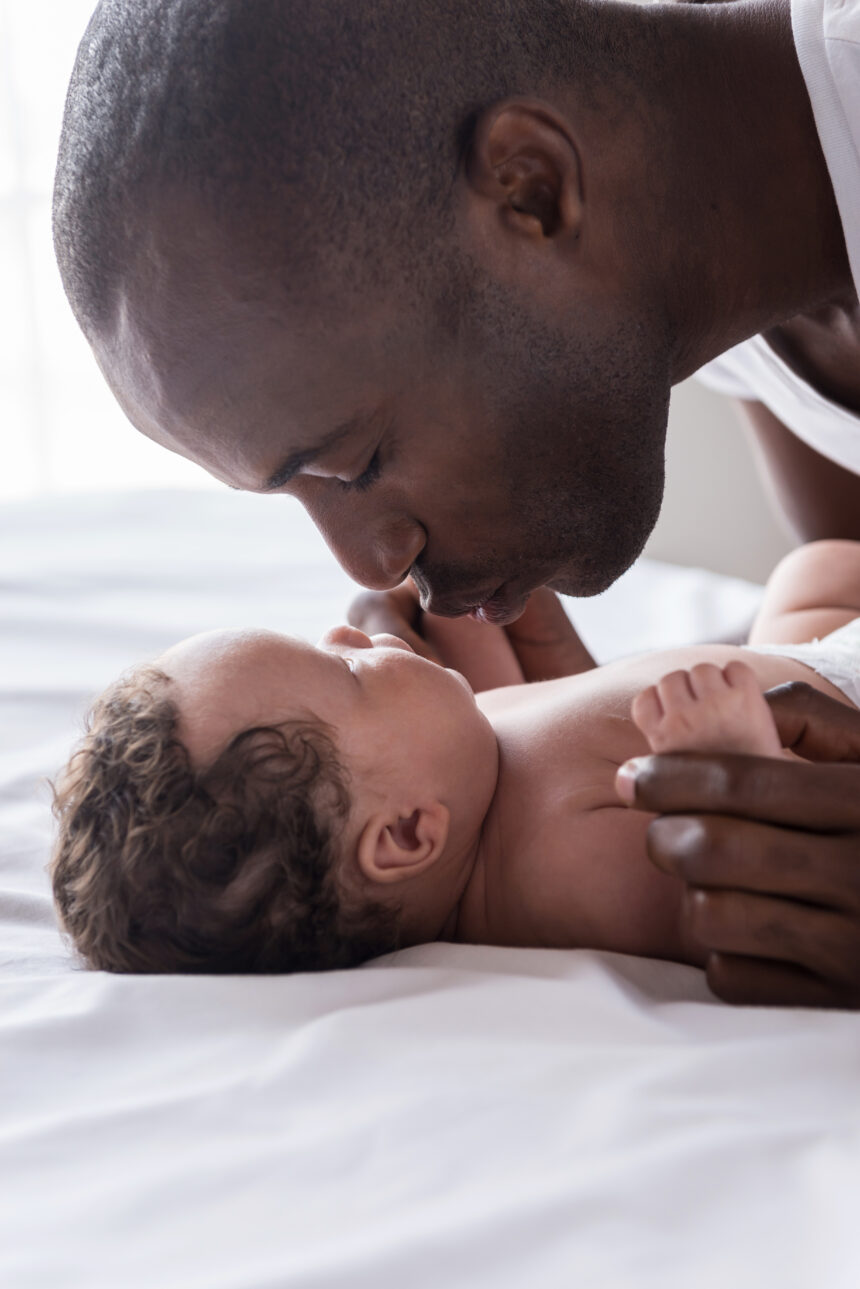
Kissing a baby may seem like a harmless way to show love and affection, but it can expose infants and young children to viruses and bacteria that their developing immune systems may not be able to fight.
Introduction
Welcoming a new baby into the family is an exciting time. Friends and relatives are often eager to cuddle, hold, and kiss the newest member of the family.
While these gestures are usually expressions of love, they can sometimes put babies at risk of serious illnesses. Unlike older children and adults, newborns and young infants have immature immune systems.
This means they are less able to defend themselves against infections that may cause only mild symptoms in adults but can become severe or even life-threatening in babies.
Although parents naturally want their children to receive love and affection, there are safer ways to show it without increasing the risk of spreading germs.
Why Are Babies More Vulnerable to Infections?
Before birth, babies receive some protective antibodies from their mothers. After birth, however, they gradually build their own immune system through exposure to the environment, vaccinations, proper nutrition, and, for many babies, breastfeeding.
During the first few months of life, babies remain especially vulnerable to infections because their immune defences are not yet fully developed.
How Can Kissing Spread Germs?
Even if someone feels completely healthy, they may still carry germs that can be passed to a baby through kissing.
Some infections are contagious before symptoms appear, while others may spread from people who never develop noticeable symptoms at all.
Kissing a baby on the face, lips, or hands increases the chance that germs can enter the baby’s body through the mouth, nose, or eyes.
Babies also frequently place their hands in their mouths, making hand kisses another potential source of infection.
Infections That Can Be Spread Through Kissing
Several illnesses can be transmitted through close contact with babies.
1. Cold Sores (Herpes Simplex Virus)
One of the most serious concerns is the herpes simplex virus (HSV), which causes cold sores.
In adults, cold sores are usually uncomfortable but manageable. However, if a newborn becomes infected, the virus can spread to the brain, liver, lungs, or other organs, leading to a life-threatening illness that requires emergency medical treatment.
People with an active cold sore should never kiss a baby. Even people who do not currently have visible sores should be cautious if they have a history of oral herpes.
2. The Common Cold
Cold viruses spread easily through coughing, sneezing, talking, and kissing.
Although many adults recover within a few days, babies, especially newborns may develop feeding difficulties, breathing problems, or dehydration.
3. Influenza (Flu)
Influenza can be particularly dangerous for infants.
Babies younger than six months are too young to receive the seasonal influenza vaccine, making it especially important for family members and caregivers to avoid exposing them to the virus.
4. Respiratory Syncytial Virus (RSV)
RSV is a common virus that often causes mild cold-like symptoms in adults and older children.
In infants, especially those born prematurely or with underlying medical conditions, RSV can lead to bronchiolitis, pneumonia, and difficulty breathing.
5. COVID-19 and Other Respiratory Viruses
Respiratory viruses continue to circulate in many communities.
Although many children experience mild illness, some babies can develop more serious infections, particularly during the first few months of life.
6. Whooping Cough (Pertussis)
Whooping cough is a highly contagious bacterial infection that can be extremely dangerous for young babies.
Adults may have only a mild cough without realising they are infected, making vaccination and avoiding unnecessary close contact important ways to protect infants.
MUST READ:Exercises That Improve Posture
Is It Safe for Parents to Kiss Their Baby?
For healthy parents who are not sick and do not have active cold sores or other contagious infections, kissing their own baby generally carries much less risk than allowing multiple visitors to kiss the baby.
However, parents should avoid kissing their baby if they have a fever, cough, flu symptoms, an active cold sore, or any contagious illness.
Good hand hygiene and avoiding close contact when unwell help reduce the risk of passing infections to the baby.
Safer Ways to Show Affection
Parents, grandparents, siblings, and visitors can show affection by gently cuddling the baby, talking or singing softly, smiling, holding the baby’s hand, or stroking the baby’s back. These forms of affection help strengthen emotional bonds without unnecessarily increasing the risk of infection.
Tips for Protecting Babies from Germs
Simple precautions can significantly reduce the risk of illness.
1. Wash Your Hands Before Touching the Baby
Handwashing with soap and water for at least 20 seconds removes many of the germs that can cause illness.
If soap and water are not available, an alcohol-based hand sanitiser can be used when appropriate.
2. Do Not Kiss the Baby’s Face or Hands
If you want to show affection, avoid kissing the baby’s lips, cheeks, eyes, or hands, especially during the first few months of life.
3. Stay Away If You Are Sick
Anyone with a fever, cough, sore throat, runny nose, vomiting, diarrhoea, or cold sores should postpone visiting the baby until they have fully recovered.
4. Keep Vaccinations Up to Date
Routine childhood vaccinations help protect babies against several serious diseases.
Parents, caregivers, and close family members should also remain up to date with recommended vaccines, including influenza and whooping cough vaccines where advised by healthcare providers.
5. Limit Contact During the Newborn Period
During the first few weeks of life, it is wise to limit unnecessary visitors and avoid crowded places where babies may be exposed to infections.
When Should Parents Seek Medical Attention?
Seek urgent medical care if a baby develops a fever, difficulty breathing, poor feeding, unusual sleepiness, persistent crying, seizures, a rash, bluish lips, or signs of dehydration.
Newborns younger than three months with a fever should always be assessed promptly by a healthcare professional. Early treatment can be lifesaving for serious infections.
Final Thoughts
Kissing a baby may seem like a simple act of love, but it can unintentionally expose infants to viruses and bacteria that their developing immune systems are not yet prepared to fight. While many infections cause only mild illness in adults, they can become serious or even life-threatening in newborns and young infants.
Protecting a baby does not mean withholding affection. Instead, it means choosing safer ways to express love while reducing unnecessary exposure to germs. Washing your hands, staying away when you are unwell, avoiding kissing a baby’s face or hands, and encouraging family members and visitors to do the same are simple but effective ways to help keep babies healthy during their most vulnerable months of life.