

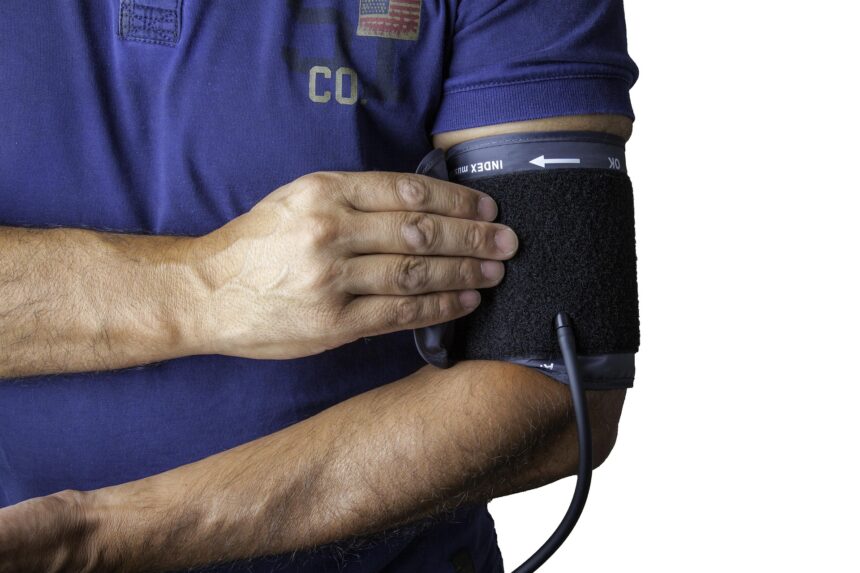
Many serious health conditions in men develop silently. Preventive health screenings help detect problems early, often before symptoms appear when treatment is most effective.
Introduction
Men are statistically less likely to seek routine medical care. Many only visit a hospital or clinic when symptoms become severe.
Unfortunately, conditions such as hypertension, diabetes, prostate disease, and certain cancers can progress quietly for years before noticeable warning signs emerge.
Preventive health screenings are not about assuming illness. They are about identifying risk early, managing it effectively, and preventing long-term complications.
Regular screening increases the likelihood of early diagnosis, simpler treatment, and improved quality of life.
Why Preventive Screenings Matter
Preventive care shifts healthcare from reaction to prevention. Instead of waiting for disease to develop, screenings identify:
- Early-stage disease
- Risk factors for future illness
- Silent conditions such as high blood pressure
- Lifestyle-related risks
Many chronic diseases affecting men including cardiovascular disease and type 2 diabetes are manageable when detected early. Without screening, they may remain undiagnosed until complications occur.
Essential Health Screenings Every Man Should Prioritize
These screenings form the foundation of preventive care in men. While individual needs may vary based on age and risk factors, the following tests are widely recommended for early detection and long-term health protection.
1. Blood Pressure Screening
High blood pressure often presents no symptoms until complications develop. Uncontrolled hypertension increases the risk of heart attack, stroke, kidney damage, and vision problems.
Men should check their blood pressure at least once every year. Those with risk factors such as obesity, smoking, or a family history may need more frequent monitoring.
2. Blood Sugar Testing
Type 2 diabetes can develop gradually and remain undiagnosed for years. Routine blood sugar testing helps detect prediabetes and early-stage diabetes before complications occur.
Men over 35, especially those who are overweight or have a family history of diabetes, should consider regular screening.
3. Cholesterol Profile
A lipid profile measures total cholesterol, LDL, HDL, and triglycerides. Elevated cholesterol levels increase the risk of cardiovascular disease.
Men should begin cholesterol screening in early adulthood and repeat testing every few years, depending on individual risk.
4. Prostate Screening
Prostate screening may include a Prostate-Specific Antigen (PSA) blood test and, when appropriate, a digital rectal examination.
Men are generally advised to begin discussing prostate screening around age 50, or earlier if there is a family history of prostate cancer.
5. Colorectal Cancer Screening
Colorectal cancer is often preventable through early detection of precancerous polyps.
Screening typically begins at age 45 for average-risk men and may include stool-based tests or colonoscopy.
6. Body Mass Index and Waist Circumference
Excess abdominal fat increases the risk of metabolic syndrome, diabetes, and heart disease. Monitoring weight and waist circumference helps assess long-term health risks.
7. Mental Health Screening
Depression and anxiety in men are frequently underdiagnosed. Routine mental health screening can identify emotional distress early and prevent severe consequences. Mental health is a vital component of preventive care.
8. Testicular Examination (Younger Men)
Men between ages 15 and 40 should be aware of testicular health. Any unusual lump, swelling, or discomfort should be evaluated by a healthcare provider. Early detection significantly improves outcomes.
MUST READ: Healthy Weight vs. Overweight in Children: What Parents Should Know
How Often Should Men Get Screened?
Screening frequency depends on:
- Age
- Family history
- Lifestyle factors
- Existing health conditions
An annual physical examination is a good starting point. A healthcare provider can then recommend additional tests based on individual risk. Preventive care should be personalized rather than one-size-fits-all.
Barriers That Prevent Men From Screening
Common reasons men delay screenings include:
- Fear of diagnosis
- Busy schedules
- Perception of invulnerability
- Discomfort discussing health issues
However, delaying screening does not reduce risk—it increases the chance of late detection. Health responsibility is not a weakness. It is a long-term strength.
Final Thoughts
Preventive screenings are not optional extras; they are essential tools for maintaining long-term health. Many serious conditions affecting men begin without symptoms, making routine evaluation critical.
Every man should know his health numbers and schedule regular checkups. Early detection saves lives, reduces complications, and preserves quality of life.