

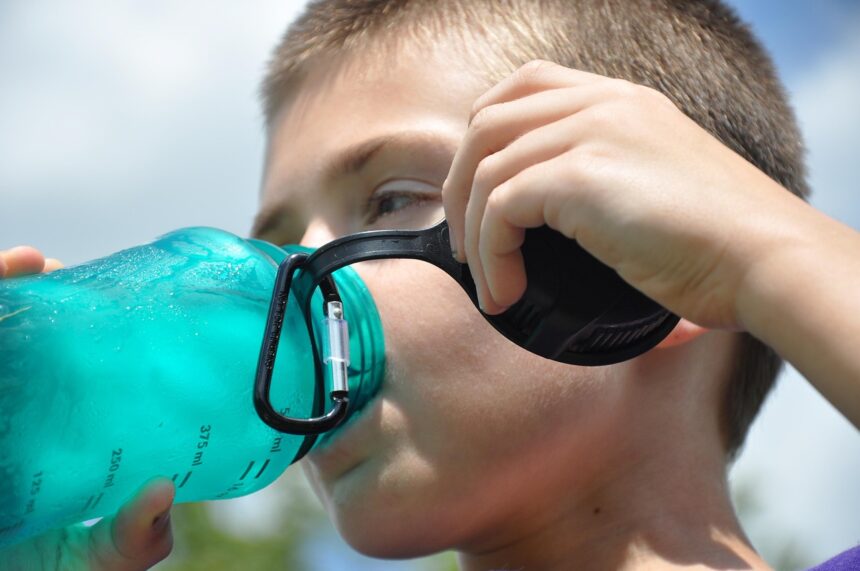
Train harder, recover faster, and stop letting dehydration sabotage your workouts
Introduction
Hydration is not just about drinking water when you feel thirsty. For fitness enthusiasts, staying properly hydrated plays a direct role in endurance, muscle performance, recovery speed, and even fat loss.
Whether you are lifting weights, running long distances, or following high-intensity workout routines, the fluids you consume can significantly influence how your body performs.
During exercise, the body loses water and essential electrolytes through sweat. Failing to replace these losses can lead to fatigue, muscle cramps, dizziness, and reduced workout efficiency.
This article explores six of the best hydration drinks for fitness enthusiasts and explains how each one supports physical performance and recovery.
Why Hydration Matters for Fitness Performance
Water and electrolytes regulate body temperature, transport nutrients, and support muscle contractions.
Even mild dehydration can negatively impact strength, coordination, and endurance. For those who train frequently or intensely, hydration becomes a foundational part of overall fitness success.
The right hydration strategy helps prevent performance dips, supports quicker recovery, and reduces the risk of workout-related injuries.
Best Drinks for Fitness Enthusiasts
Choosing the right drinks helps maintain fluid balance, supports muscle function, and keeps energy levels stable before, during, and after training sessions.
1. Water
Water remains the most essential hydration drink for fitness enthusiasts. It regulates body temperature, lubricates joints, and supports every metabolic process involved in exercise.
For low- to moderate-intensity workouts, plain water is often sufficient to replace fluid losses. Consistent water intake throughout the day helps maintain optimal hydration levels and prepares the body for physical activity.
2. Coconut Water
Coconut water is a natural source of electrolytes such as potassium, magnesium, and sodium. These minerals help replace what is lost through sweat during exercise.
Unlike sugary sports drinks, coconut water provides hydration without artificial additives. It supports muscle function, reduces the risk of cramps, and helps restore fluid balance after workouts.
3. Electrolyte Drinks
Electrolyte drinks are designed to replenish minerals lost during intense or prolonged exercise. They support nerve signaling, muscle contractions, and fluid balance.
For endurance workouts or training sessions lasting longer than an hour, electrolyte drinks can help prevent dehydration-related fatigue. Choosing low-sugar options is important to avoid unnecessary calorie intake.
4. Protein Shakes
Protein shakes are not traditional hydration drinks, but they play an important role in post-workout recovery. When prepared with water or milk alternatives, they contribute to fluid intake while supporting muscle repair.
Protein helps rebuild muscle fibers damaged during exercise and promotes recovery. Including a protein shake after workouts can improve muscle recovery while supporting hydration needs.
5. Smoothies
Smoothies provide hydration alongside carbohydrates, vitamins, and antioxidants. Made with water, coconut water, or milk alternatives, smoothies help replenish energy stores after training.
Fruits such as berries, bananas, and oranges add natural electrolytes and fluids, making smoothies an effective recovery drink for fitness enthusiasts.
6. Herbal Teas
Herbal teas offer hydration without caffeine and can support relaxation and recovery. Options like ginger tea or peppermint tea may help reduce inflammation and soothe sore muscles.
Drinking herbal tea after workouts or before bedtime supports hydration while promoting overall wellness and recovery.
MUST READ:6 Ways Screen Time Affects Your Health
How to Stay Properly Hydrated During Training
Fitness enthusiasts benefit most from consistent hydration throughout the day rather than drinking large amounts at once. Drinking fluids before workouts, taking small sips during training, and rehydrating afterward helps maintain balance.
Monitoring urine color, thirst levels, and energy during workouts can provide clues about hydration status.
Final Thoughts
Hydration plays a critical role in fitness performance, recovery, and long-term health. While water remains essential, incorporating other hydrating drinks such as coconut water, electrolyte beverages, smoothies, and herbal teas can enhance hydration strategies.
Choosing the right drinks based on workout intensity and personal needs helps fitness enthusiasts train more effectively and recover faster. Proper hydration is not an afterthought — it is a key part of achieving fitness goals.