

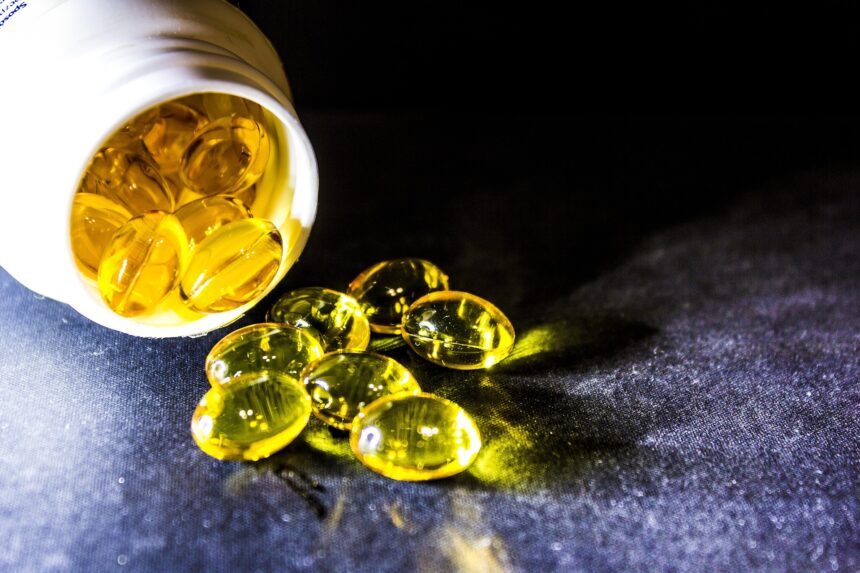
Folic acid is often associated with pregnancy and women’s health, but it also plays important roles in men’s wellbeing.
Introduction
Folic acid is the synthetic form of folate, also known as vitamin B9. Since the body cannot produce this vitamin on its own, it must be obtained through food or supplements.
Folate is necessary for several critical processes in the body, including DNA formation, cell division, and the production of red blood cells.
Although folic acid is widely recommended for pregnant women to prevent birth defects, it is equally important for men’s health.
Adequate intake may support heart health, improve fertility in some men, and contribute to overall metabolic function.
However, like most nutrients, excessive intake especially from supplements may come with potential risks.
This article explores the benefits, possible side effects, and recommended intake of folic acid for men.
What Is Folic Acid?
Folic acid is a synthetic form of folate, a water-soluble B vitamin that plays a key role in cell growth and metabolism.
The body uses folate to make and repair DNA, assist with cell division, and produce healthy red blood cells.
Folate naturally occurs in foods such as leafy greens, beans, eggs, and certain fruits. Folic acid, on the other hand, is commonly found in fortified foods and dietary supplements. While both forms provide vitamin B9, they are processed slightly differently by the body.
Health Benefits of Folic Acid for Men
Folic acid plays several important roles in men’s health, from supporting heart function to aiding fertility and red blood cell production.
Adequate intake of this essential B vitamin helps maintain proper metabolic processes and overall wellbeing.
Supports Heart Health
Folate helps regulate levels of homocysteine, an amino acid in the blood. High levels of homocysteine are linked to an increased risk of heart disease and stroke.
By helping convert homocysteine into other useful compounds, folic acid may help reduce cardiovascular risk and improve blood flow.
May Improve Male Fertility
Folic acid is sometimes included in supplements aimed at improving male reproductive health. Some studies suggest that combining folic acid with zinc may increase sperm concentration and improve sperm quality in men with fertility issues.
However, research findings are mixed, and more studies are needed to confirm its overall effectiveness in healthy men.
May Support Mental Health
Low levels of folate have been linked to depression and other mood disorders. Some research indicates that folic acid supplements may enhance the effectiveness of antidepressant medications in people with low folate levels.
While it should not replace professional treatment, maintaining adequate folate levels may contribute to better mental wellbeing.
May Promote Healthy Hair
Folate plays a role in healthy cell growth, which includes the cells responsible for hair growth. Some research has found that individuals experiencing premature graying may have lower folate levels than others.
However, evidence linking folic acid directly to improved hair growth is still limited.
MUST READ:7 Best Fruits for Weight Loss
Possible Side Effects of Too Much Folic Acid
Although folic acid is generally safe when consumed in recommended amounts, excessive intake from supplements may cause certain health concerns.
High levels of folic acid may mask a vitamin B12 deficiency, which can delay diagnosis and lead to nerve damage if untreated.
Some people may also experience mild side effects such as nausea, loss of appetite, irritability, sleep disturbances, or an unusual taste in the mouth.
Very high intake from supplements may also cause unmetabolized folic acid to accumulate in the blood, which researchers believe could have potential health implications.
Recommended Intake for Men
Most adult men need about 400 micrograms (mcg) of folate per day to maintain normal body functions.
This requirement can often be met through a balanced diet that includes foods such as leafy vegetables, beans, avocados, eggs, and fortified grains.
Supplements may be useful for individuals with deficiencies or specific health needs, but doses above 1,000 mcg per day should generally be avoided unless recommended by a healthcare professional.
Natural Food Sources of Folate
Many common foods naturally contain folate. Dark leafy vegetables such as spinach and kale are among the richest sources, along with beans, lentils, broccoli, and citrus fruits.
Animal products like liver and eggs also provide folate, while many breads and cereals are fortified with folic acid.
Getting folate from whole foods is generally considered safe and beneficial because the body regulates natural folate more efficiently than synthetic forms.
Final Thoughts
Folic acid plays several important roles in men’s health, including supporting heart function, aiding red blood cell production, and potentially improving fertility and mental health. While many men can meet their daily needs through a balanced diet, supplements may be helpful in certain situations.
However, moderation is key. Excessive supplementation can cause unwanted side effects and may interfere with the diagnosis of other nutrient deficiencies.