

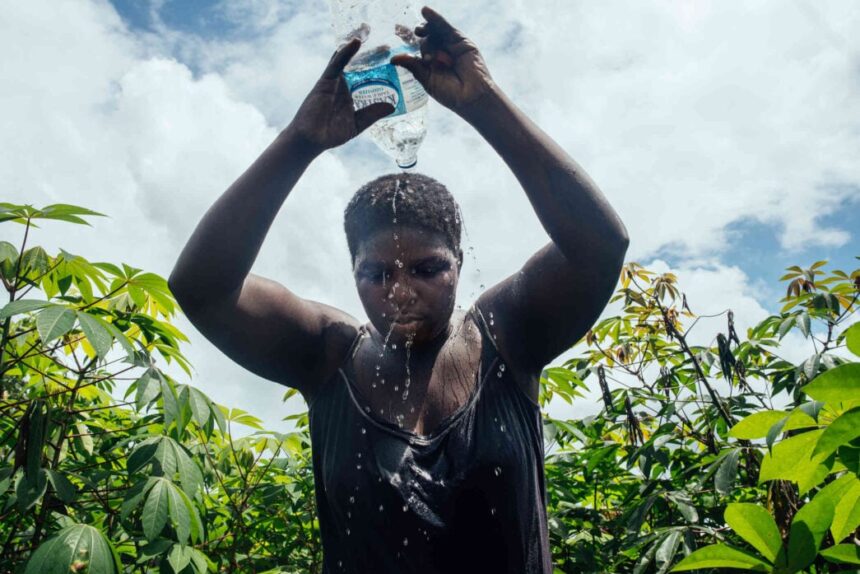
Nigeria is currently experiencing intense heat conditions, and health authorities are warning the public to take precautions.
Introduction
Extreme heat has become increasingly common in Nigeria, particularly during seasonal transitions.
Recent heat stress alerts have highlighted the potential health risks associated with prolonged exposure to high temperatures.
When the body is exposed to excessive heat, it may struggle to regulate its temperature, which can lead to serious health complications.
Heat stress occurs when the body cannot cool itself effectively through sweating and other natural processes.
Without proper hydration and cooling, this condition can progress from mild discomfort to severe medical emergencies.
Understanding the causes, symptoms, and preventive measures is essential for staying safe during periods of extreme heat.
What Is Heat Stress?
Heat stress is a condition that occurs when the body becomes overheated and is unable to maintain a normal internal temperature.
It is often triggered by prolonged exposure to high temperatures, especially when combined with high humidity and physical activity.
When the body overheats, it loses large amounts of water and salts through sweating. If these fluids are not replaced, it can lead to dehydration, fatigue, dizziness, and in severe cases, heatstroke.
What Is Causing the Extreme Heat?
Several environmental factors are contributing to the intense heat currently being experienced in many parts of Nigeria.
One of the major causes is climate change, which has increased global temperatures and intensified heat waves in many regions.
Seasonal transitions between the dry and rainy seasons can also lead to higher temperatures. In addition, high humidity levels make it harder for sweat to evaporate from the skin, reducing the body’s ability to cool itself effectively.
Regions Most Affected
Heat stress warnings have been issued for several regions across Nigeria. Areas in the North and North-Central regions are among those most affected by the rising temperatures.
States such as Kebbi, Niger, Kwara, Kogi, Nasarawa, Benue, the Federal Capital Territory, Taraba, Adamawa, Plateau, Kaduna, Zamfara, and Sokoto are experiencing particularly high heat levels.
Parts of the South and East are also affected. States such as Oyo, Ogun, Enugu, Anambra, Abia, Ebonyi, and Cross River, along with other southern inland areas, are experiencing increased temperatures that may pose health risks.
MUST READ:5 Common Misconceptions About Antidepressants
Signs and Symptoms of Heat Stress
Heat stress can develop gradually, and recognizing the warning signs early can help prevent serious health complications.
Mild symptoms may include heat rash, painful muscle cramps, and heavy sweating. These symptoms usually appear when the body begins to struggle with high temperatures.
Moderate heat stress, also known as heat exhaustion, may cause dizziness, headaches, nausea, and cool, clammy skin.
At this stage, the body is becoming increasingly dehydrated and requires immediate cooling and hydration.
In severe cases, heatstroke may occur. This is a life-threatening condition characterized by a very high body temperature, confusion, and hot, dry skin. Heatstroke requires urgent medical attention.
How to Protect Yourself From Heat Stress
Taking preventive measures is essential during periods of extreme heat. One of the most important steps is to stay well hydrated.
Drinking plenty of water throughout the day helps replace fluids lost through sweating and supports the body’s cooling system.
Limiting outdoor activities during the hottest part of the day can also reduce the risk of heat stress.
The period between midday and late afternoon is usually when temperatures are at their highest, making it safer to remain indoors whenever possible.
Wearing light, breathable clothing can help reduce heat buildup in the body. Choosing light-colored fabrics and loose-fitting clothes allows better airflow and helps the body stay cooler.
Spending time in shaded or well-ventilated areas can also make a significant difference. Fans, air conditioning, and natural airflow can help regulate body temperature and reduce heat exposure.
Why Hydration Is So Important During Heat Waves
When temperatures rise, the body loses more water through sweating in an effort to cool down. Without proper fluid intake, dehydration can occur quickly.
Drinking water regularly, even when you do not feel thirsty, helps maintain normal body functions and prevents the harmful effects of heat exposure.
Adequate hydration also supports circulation, digestion, and temperature regulation.
When to Seek Medical Help
Heatstroke is a medical emergency that requires immediate attention. If someone becomes confused, stops sweating despite high body temperature, or loses consciousness, emergency medical help should be sought immediately.
Early recognition of severe symptoms can save lives, especially during extreme heat conditions.
Final Thoughts
Extreme heat is a serious health concern that requires awareness and preventive action. With temperatures rising across several regions of Nigeria, taking simple steps such as staying hydrated, avoiding peak sun hours, and wearing appropriate clothing can significantly reduce the risk of heat-related illnesses.
By paying attention to warning signs and adopting safe habits during hot weather, individuals and communities can better protect themselves from the dangers of heat stress.