

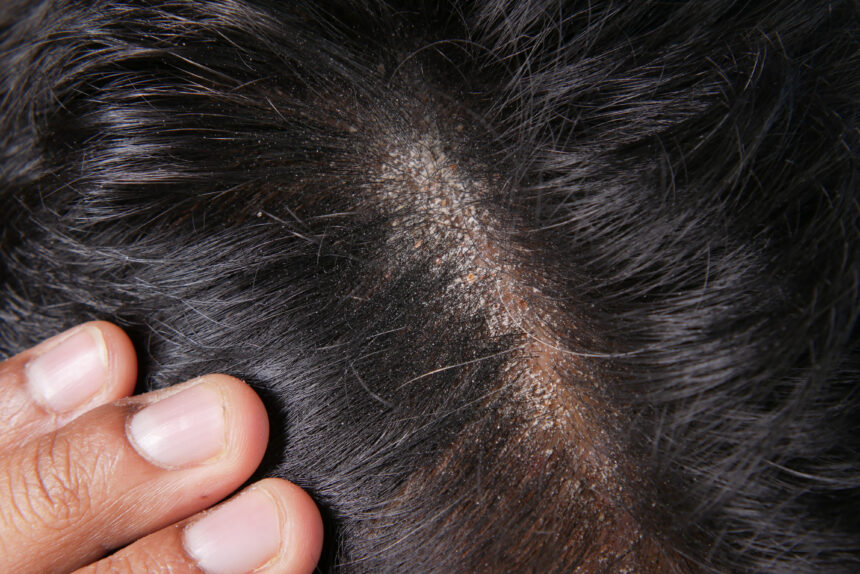
Dandruff is one of the most common scalp conditions, yet many people still misunderstand what causes it. Knowing the triggers and the right ways to manage it can help reduce itching, flakes, and scalp irritation.
Introduction
Few hair and scalp issues are as frustrating or as visible as dandruff. The white flakes on clothing, constant itching, and scalp irritation can affect confidence and become difficult to ignore.
Although dandruff is common, many people assume it only happens because of poor hygiene. In reality, dandruff is often linked to scalp irritation, excess oil production, and the overgrowth of a natural yeast found on the skin.
The good news is that dandruff is manageable in most cases. Understanding what causes it and how to treat it properly can make a major difference in scalp health and comfort.
What Is Dandruff
Dandruff is a scalp condition that causes flakes of dead skin to appear on the scalp, hair, eyebrows, or even shoulders. It is often accompanied by itching and irritation.
It is considered a mild form of seborrheic dermatitis, a condition linked to inflammation and excess oil production on the skin.
While dandruff is not contagious or dangerous, it can become persistent and uncomfortable if not managed properly.
What Causes Dandruff
One of the major causes of dandruff is the overgrowth of a yeast-like fungus called Malassezia, which naturally lives on the scalp. When it grows excessively, it can irritate the skin and trigger flaking.
However, dandruff is usually caused by a combination of factors rather than one single issue.
Other common triggers include:
- Excess oil on the scalp
- Dry skin
- Sensitivity to hair products
- Stress
- Cold or dry weather
- Certain skin conditions like eczema or psoriasis
For some people, washing the hair too frequently or not often enough may also worsen the problem.
MUST READ: 6 Popular Ways to Practice Intermittent Fasting
Common Symptoms of Dandruff
The most noticeable symptom of dandruff is white or yellow flakes appearing on the scalp or shoulders.
Other symptoms may include:
- Persistent scalp itching
- Dry or greasy scalp patches
- Irritated or sensitive skin around the hairline
- Flaking around the eyebrows or beard area
Symptoms often become worse during periods of stress or cold weather.
Dandruff vs Dry Scalp
Many people confuse dandruff with a dry scalp, but they are not exactly the same.
A dry scalp usually produces smaller, lighter flakes and may happen because the skin lacks moisture.
Dandruff, on the other hand, is more commonly linked to excess oil, irritation, and yeast overgrowth. The flakes are often larger and may appear oily or yellowish.
Knowing the difference is important because both conditions may require different treatments.
How to Treat Dandruff
Mild dandruff can sometimes improve with changes in hair care habits, especially by using gentle shampoos and maintaining a healthy scalp routine.
For persistent dandruff, medicated shampoos are often recommended. These shampoos may contain ingredients such as:
- Ketoconazole
- Zinc pyrithione
- Selenium sulfide
- Salicylic acid
- Coal tar
These ingredients help reduce yeast overgrowth, control oil, and slow excessive skin flaking.
Consistency is important because dandruff treatment usually takes several weeks before noticeable improvement occurs.
Lifestyle Habits That May Help
Scalp health is also connected to lifestyle habits and overall wellness.
Managing stress levels may help reduce flare-ups since stress is known to worsen dandruff symptoms. Eating a balanced diet rich in zinc, B vitamins, and healthy fats may also support healthier skin and scalp function.
Avoiding excessive use of styling products can also reduce irritation and buildup on the scalp.
Some people find that maintaining a regular but gentle washing routine helps keep symptoms under control.
When to See a Doctor
Although dandruff is common, severe or persistent symptoms may require medical attention.
You should consider seeing a healthcare professional if:
- Over-the-counter shampoos are not helping
- The scalp becomes red or swollen
- Itching becomes severe
- Flaking spreads beyond the scalp
- Hair loss or painful irritation develops
Sometimes dandruff-like symptoms may actually be caused by conditions such as psoriasis or eczema, which require different treatment approaches.
Can Dandruff Be Prevented
Dandruff may not always be completely preventable, but good scalp care can reduce flare-ups significantly.
Keeping the scalp clean without over-drying it, managing stress, and using suitable hair products can all help maintain scalp balance.
People who experience recurring dandruff may benefit from using medicated shampoos occasionally even after symptoms improve.
Final Thoughts
Dandruff may be common, but that does not make it any less frustrating. The itching, flakes, and irritation can affect confidence and comfort, especially when symptoms become persistent.
Understanding what triggers dandruff and learning how to manage it properly can make a major difference in scalp health.