

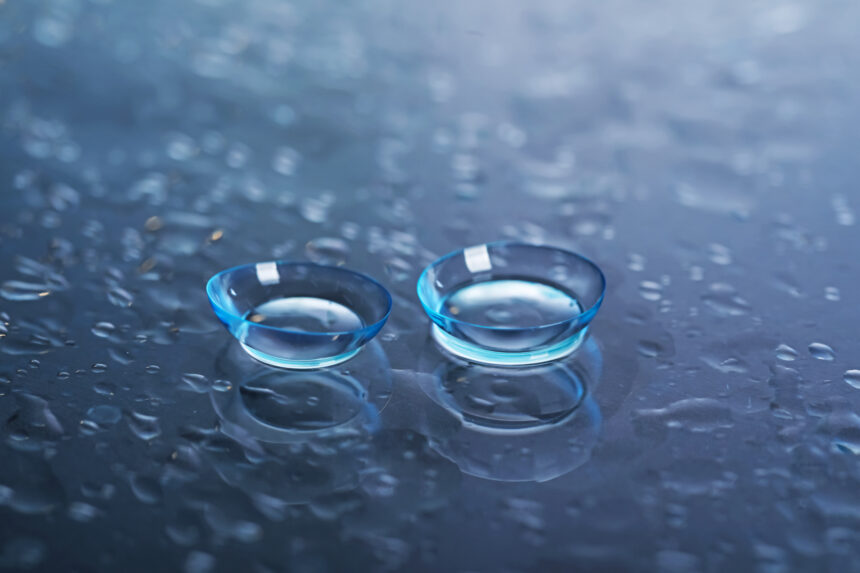
Contact lenses offer a convenient alternative to eyeglasses, providing clear vision and greater freedom for daily activities.
Introduction
Contact lenses have transformed vision correction for millions of people around the world. Whether you are nearsighted, farsighted, have astigmatism, or simply want an alternative to glasses, contact lenses can provide clear vision while maintaining a natural appearance.
Their convenience and versatility make them a popular choice among students, professionals, athletes, and individuals with active lifestyles.
However, wearing contact lenses involves more than simply placing them on your eyes. Proper selection, hygiene, and maintenance play a crucial role in ensuring eye health and preventing complications.
This post explores the different types of contact lenses, their benefits, potential risks, and the best practices for safe use.
What Are Contact Lenses?
Contact lenses are thin, curved lenses designed to sit directly on the surface of the eye. They work by correcting refractive errors, allowing light to focus properly on the retina and improving vision.
Unlike traditional eyeglasses, contact lenses move with the eye, providing a wider field of vision and eliminating issues such as frame obstruction or lens fogging.
Advances in lens technology have made modern contact lenses more comfortable, breathable, and suitable for extended wear.
Types of Contact Lenses
Contact lenses come in different materials and designs to address various vision needs, lifestyles, and comfort preferences.
Soft Contact Lenses
Soft contact lenses are made from flexible materials that allow oxygen to pass through to the cornea. They are the most commonly prescribed type due to their comfort and ease of adaptation.
These lenses are available in daily, bi-weekly, and monthly replacement schedules, making them suitable for a variety of lifestyles and preferences.
Rigid Gas Permeable (RGP) Lenses
Rigid gas permeable lenses are made from durable materials that provide excellent vision correction and allow oxygen to reach the eye.
Although they may require a longer adjustment period than soft lenses, they often provide sharper vision, particularly for individuals with astigmatism or certain corneal conditions.
Toric Contact Lenses
Toric lenses are specifically designed for people with astigmatism. Their unique shape helps correct the irregular curvature of the cornea, providing stable and clear vision.
These lenses are available in both soft and rigid gas permeable options.
Multifocal Contact Lenses
Multifocal lenses help correct presbyopia, an age-related condition that makes it difficult to focus on nearby objects.
These lenses contain multiple prescription zones that allow users to see clearly at different distances without needing reading glasses.
Colored Contact Lenses
Colored contact lenses can be prescribed for vision correction or purely cosmetic purposes. They are available in various shades that can enhance or completely change eye color.
Even non-prescription colored lenses should be obtained through a qualified eye care professional to ensure proper fit and safety.
MUST READ: 6 Common Causes of Elevated Blood Pressure
Benefits of Wearing Contact Lenses
From improved peripheral vision to greater convenience during physical activities, contact lenses offer several advantages over traditional eyeglasses.
Improved Peripheral Vision
Because contact lenses sit directly on the eye, they provide a wider field of view compared to glasses. This can be particularly beneficial for sports, driving, and other activities requiring broad visual awareness.
Greater Convenience for Active Lifestyles
Athletes and physically active individuals often prefer contact lenses because they stay in place during movement and do not interfere with helmets, protective gear, or physical activities.
Natural Appearance
Many people choose contact lenses because they provide vision correction without altering their appearance. Contact lenses eliminate concerns about frame styles, lens reflections, or glasses slipping down the nose.
Reduced Weather-Related Issues
Unlike eyeglasses, contact lenses do not fog up in humid environments or become covered with rain droplets, making them practical for various weather conditions.
Potential Risks of Contact Lens Use
Like any medical device, contact lenses come with potential risks. Knowing what can go wrong and how to prevent it is essential for safe and comfortable lens wear.
Eye Infections
Poor lens hygiene can introduce bacteria, fungi, or other microorganisms into the eye, increasing the risk of infections. Some infections can become severe and threaten vision if left untreated.
Dry Eyes
Some contact lens wearers experience dryness, irritation, or discomfort, especially during prolonged screen use or in dry environments.
Corneal Damage
Sleeping in lenses not designed for overnight wear or using damaged lenses can reduce oxygen supply to the cornea, potentially causing abrasions or other complications.
Allergic Reactions
Certain individuals may develop sensitivities to lens materials, cleaning solutions, or deposits that accumulate on the lenses over time.
How to Care for Contact Lenses Properly
Proper contact lens care is essential for maintaining eye health, preventing infections, and ensuring comfortable wear.
Wash Your Hands Before Handling Lenses
Always wash and dry your hands thoroughly before inserting or removing contact lenses. This simple step significantly reduces the risk of contamination.
Follow Replacement Schedules
Using lenses longer than recommended can increase the risk of discomfort, deposits, and infections. Always adhere to the replacement schedule prescribed by your eye care professional.
Clean and Store Lenses Correctly
Reusable lenses should be cleaned and stored using approved contact lens solutions. Avoid using tap water or saliva, as these can introduce harmful microorganisms.
Replace Lens Cases Regularly
Contact lens cases can harbor bacteria over time. Experts generally recommend replacing cases every few months to maintain hygiene.
Avoid Sleeping in Lenses Unless Approved
Many eye complications occur because individuals wear lenses overnight when they are not designed for extended use. Always follow your eye care provider’s recommendations.
Who Should Avoid Contact Lenses?
While contact lenses are safe for most people, they may not be suitable for everyone. Individuals with severe dry eye syndrome, certain allergies, recurring eye infections, or difficulty maintaining proper hygiene may be better served by alternative vision correction methods.
A comprehensive eye examination can help determine whether contact lenses are the right option based on your eye health, lifestyle, and vision needs.
When to See an Eye Doctor
You should seek professional medical attention if you experience:
- Persistent eye redness
- Severe eye pain
- Sudden blurred vision
- Increased light sensitivity
- Eye discharge
- Swelling around the eyes
Prompt treatment can help prevent serious complications and protect your vision.
Final Thoughts
Contact lenses provide a convenient and effective way to correct vision while offering greater freedom than traditional eyeglasses. With a variety of lens types available, most people can find an option that suits their visual needs and lifestyle preferences.
However, successful contact lens wear depends on proper hygiene, routine eye examinations, and adherence to recommended care practices. By using lenses responsibly and paying attention to any signs of discomfort or infection, you can enjoy clear vision while maintaining long-term eye health.