

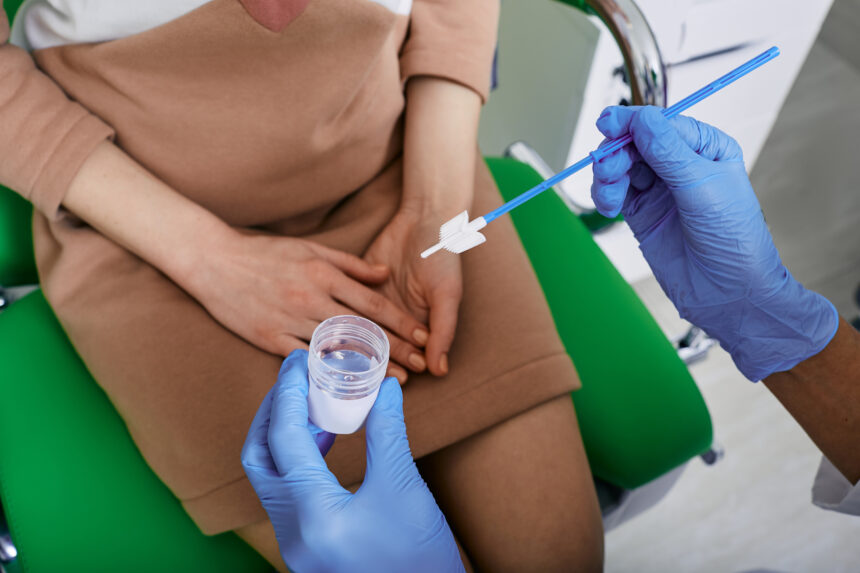
A Pap smear is one of the most effective tools for detecting changes in cervical cells before they become cancerous.
Introduction
Many women only visit a healthcare provider when they experience symptoms such as pain, abnormal bleeding, or unusual vaginal discharge.
However, some serious health conditions, including cervical cancer, may develop silently without causing noticeable symptoms in their early stages.
This is where a Pap smear becomes invaluable. A Pap smear is a simple, quick, and highly effective screening test that can detect abnormal changes in the cells of the cervix long before they develop into cervical cancer.
Regular screening has significantly reduced the number of cervical cancer cases and deaths worldwide by making early detection and treatment possible.
Understanding what a Pap smear is, why it is important, and when to have one can empower women to take charge of their reproductive health.
What Is a Pap Smear?
A Pap smear is a screening test used to detect abnormal cells on the cervix.The cervix is the lower, narrow part of the uterus that connects to the vagina.
During a Pap smear, a healthcare provider gently collects a small sample of cells from the cervix using a soft brush or spatula. These cells are then examined in a laboratory to identify any abnormal changes.
The procedure usually takes only a few minutes and, while it may cause mild discomfort or pressure, it is generally not painful.
Why Is a Pap Smear Important?
The greatest strength of a Pap smear is its ability to detect problems before they become serious.
Cervical cancer often develops slowly over several years. Before cancer forms, cervical cells usually undergo abnormal changes known as precancerous lesions. A Pap smear can identify these changes early, allowing treatment before cancer develops.
This early detection is one of the main reasons cervical cancer is one of the most preventable forms of cancer when women receive regular screening.
The Benefits of Regular Pap Smears
Routine screening offers several important health benefits for women.
Early Detection of Abnormal Cervical Cells
A Pap smear can detect abnormal cervical cells before they become cancerous. Early treatment of these changes greatly reduces the risk of developing cervical cancer.
Helps Prevent Cervical Cancer
Unlike many medical tests that detect disease after it develops, a Pap smear can help prevent cervical cancer by identifying and treating abnormal cells before they become malignant.
Detects Changes Before Symptoms Appear
Many women with early cervical cell changes have no symptoms at all. A Pap smear allows healthcare providers to detect these changes before warning signs such as abnormal bleeding or pelvic pain occur.
Improves Treatment Outcomes
When abnormal cervical cells are detected early, treatment is often simpler, less invasive, and more successful than treatment for advanced cervical cancer.
Promotes Regular Women’s Health Check-Ups
Scheduling routine Pap smears encourages women to maintain regular visits with their healthcare provider, creating opportunities to discuss other aspects of reproductive and general health.
MUST READ:Menstrual Cramps: Understanding Painful Periods and How to Find Relief
Who Should Have a Pap Smear?
Most healthcare guidelines recommend that women begin cervical cancer screening at the age of 21, regardless of sexual activity. Between the ages of 21 and 29, screening is generally recommended every three years if results remain normal.
For women aged 30 to 65, screening may involve a Pap smear every three years, testing for the human papillomavirus (HPV) every five years, or both tests together every five years, depending on individual risk factors and national screening guidelines.
Women who have weakened immune systems, a history of abnormal Pap smear results, or other risk factors may require more frequent screening as advised by their healthcare provider.
What Happens During the Procedure?
During the examination, the woman lies comfortably on an examination table while a healthcare provider gently inserts a speculum into the vagina to allow a clear view of the cervix. A small brush or spatula is then used to collect a sample of cervical cells.
The procedure usually lasts only a few minutes, after which normal daily activities can be resumed immediately.
How Should You Prepare for a Pap Smear?
It is generally recommended to schedule the test when you are not menstruating, as heavy menstrual bleeding can interfere with the sample. Avoid sexual intercourse, vaginal creams, lubricants, douching, or inserting any products into the vagina for about 24 to 48 hours before the test, unless instructed otherwise by your healthcare provider.
These precautions help ensure that the cervical cells collected can be examined accurately.
Does an Abnormal Pap Smear Mean Cancer?
Abnormal Pap smear results simply indicate that changes have been detected in the cervical cells. These changes may be caused by human papillomavirus (HPV) infection, inflammation, minor cell abnormalities, or precancerous changes.
Depending on the findings, your healthcare provider may recommend repeating the test, performing an HPV test, or carrying out additional examinations such as a colposcopy to examine the cervix more closely.
Most abnormal results do not turn out to be cancer, but they should always be properly evaluated.
Can Cervical Cancer Be Prevented?
Most cases of cervical cancer are linked to persistent infection with certain high-risk types of the human papillomavirus (HPV). Receiving the HPV vaccine before exposure to the virus significantly reduces the risk of developing cervical cancer.
Combining HPV vaccination with routine Pap smear screening, practicing safer sex, avoiding smoking, and maintaining regular healthcare visits offers the best protection against cervical cancer.
Final Thoughts
A Pap smear is a simple screening test that has saved countless lives by detecting cervical cell changes before they develop into cancer. Although the procedure takes only a few minutes, its impact can last a lifetime.
Every woman deserves the opportunity to protect her reproductive health through regular cervical cancer screening. If you are due for a Pap smear or have never had one, speak with your healthcare provider about when you should be screened.