

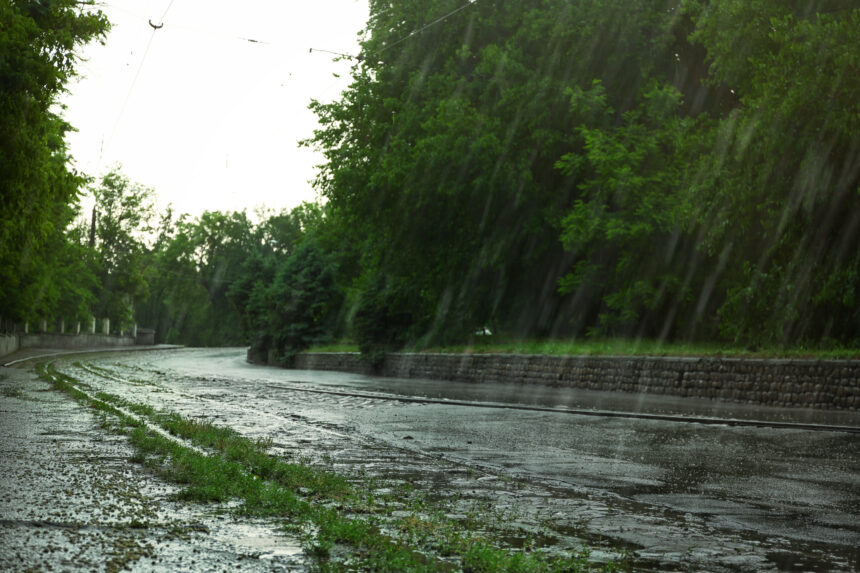
The rainy season brings cooler temperatures and much-needed rainfall, but it also creates favourable conditions for the spread of many diseases.
Introduction
For many people, the rainy season is a welcome relief from the intense heat. It provides water for farming, cools the environment, and improves air quality. However, the rainy season also comes with increased health risks.
Heavy rainfall can lead to flooding, stagnant water, poor sanitation, and overcrowded indoor spaces.
These conditions encourage the spread of bacteria, viruses, parasites, and mosquitoes, increasing the risk of various illnesses.
Children, older adults, pregnant women, and people with weakened immune systems are particularly vulnerable during this time.
Fortunately, many rainy season illnesses can be prevented by practising good hygiene, maintaining a healthy environment, and seeking medical care when necessary.
Why Do More People Get Sick During the Rainy Season?
Mosquitoes breed in stagnant water left behind by rainfall, increasing the risk of mosquito-borne diseases such as malaria.
Floodwater may contaminate drinking water with harmful bacteria and parasites, while damp conditions encourage the growth of mold and other microorganisms.
People also tend to spend more time indoors during heavy rains, making it easier for respiratory infections to spread through coughing, sneezing, and close contact.
Common Rainy Season Illnesses
Knowing the warning signs of common rainy season diseases can help you seek treatment early.
1. Malaria
Malaria remains one of the most common illnesses during the rainy season in Nigeria.
Rainwater creates breeding sites for mosquitoes, particularly the female Anopheles mosquito, which spreads the malaria parasite. Symptoms include fever, chills, headache, body aches, weakness, sweating, nausea, and vomiting.
Prevent malaria by sleeping under insecticide-treated mosquito nets, using insect repellents, wearing long-sleeved clothing in the evenings, and eliminating stagnant water around your home.
2. The Common Cold and Catarrh
Many people experience frequent sneezing, a runny nose, sore throat, and nasal congestion during the rainy season.
Although cold weather does not directly cause the common cold, spending more time indoors allows cold viruses to spread more easily from one person to another.
Wash your hands regularly, avoid close contact with people who are sick, cover your mouth and nose when coughing or sneezing, and maintain a healthy immune system through proper nutrition and adequate sleep.
3. Influenza (Flu)
Influenza is a viral infection that spreads easily through respiratory droplets.
Unlike the common cold, influenza often causes sudden fever, severe body aches, fatigue, headache, sore throat, and cough. Young children, pregnant women, older adults, and people with chronic illnesses are more likely to develop complications.
Good hand hygiene, respiratory etiquette, and avoiding close contact with sick individuals can reduce the risk of infection.
4. Typhoid Fever
Typhoid fever is caused by bacteria that spread through contaminated food and water.
Flooding and poor sanitation during the rainy season can increase the risk of contamination. Symptoms include prolonged fever, stomach pain, weakness, headache, constipation or diarrhoea, and loss of appetite.
Drink only safe water, wash fruits and vegetables thoroughly, cook food properly, and practise good hand hygiene before eating or preparing meals.
5. Cholera
Cholera is another waterborne disease that may occur during periods of heavy rainfall and flooding.
It causes sudden, severe watery diarrhoea and vomiting, leading to rapid dehydration if left untreated. Cholera is a medical emergency that requires immediate treatment.
Use clean drinking water, maintain proper sanitation, wash your hands frequently, and avoid consuming food or water from unsafe sources.
6. Diarrhoeal Diseases
Several bacteria, viruses, and parasites that cause diarrhoea spread more easily during the rainy season.
Children are especially vulnerable because diarrhoea can quickly lead to dehydration.
Safe drinking water, proper food handling, regular handwashing, and improved sanitation are among the most effective preventive measures.
7. Pneumonia
Pneumonia is an infection that affects the lungs and can occur after viral respiratory infections.
Symptoms include fever, cough, chest pain, rapid breathing, and difficulty breathing. Young children, older adults, and people with weakened immune systems are at greater risk.
Early medical care, vaccination where appropriate, and prompt treatment of respiratory infections help reduce complications.
8. Skin Infections
Damp clothing, muddy environments, and prolonged exposure to moisture increase the risk of fungal and bacterial skin infections.
Athlete’s foot, ringworm, and infected skin wounds are more common during the rainy season.
Keep your skin clean and dry, change out of wet clothes promptly, and wear clean, dry footwear whenever possible.
MUST READ: Why You Should Avoid Kissing Babies
How to Stay Healthy During the Rainy Season
Simple daily habits can significantly reduce your risk of illness.
1. Eliminate Stagnant Water
Empty containers, blocked gutters, old tyres, flower pots, and other places where rainwater collects should be cleaned regularly to reduce mosquito breeding.
2. Sleep Under a Mosquito Net
Use insecticide-treated mosquito nets every night, especially for young children and pregnant women.
3. Drink Safe Water
Boil, filter, or treat drinking water if you are unsure of its safety. Store water in clean, covered containers.
4. Wash Your Hands Frequently
Wash your hands with soap and clean running water before eating, after using the toilet, after changing a baby’s diaper, and after handling waste.
5. Eat Fresh, Well-Cooked Food
Avoid food that has been left uncovered or prepared under unhygienic conditions. Freshly cooked meals reduce the risk of foodborne illnesses.
6. Wear Appropriate Clothing
Keep yourself warm during cold mornings and evenings, and change out of wet clothes as soon as possible to reduce the risk of skin problems and discomfort.
7. Strengthen Your Immune System
Eat a balanced diet rich in fruits, vegetables, whole grains, lean proteins, and healthy fats. Get enough sleep, stay physically active, and drink adequate amounts of water every day.
8. Keep Your Environment Clean
Dispose of waste properly, clean drainage channels, and prevent water from accumulating around your home. A clean environment reduces the spread of many disease-causing organisms.
When Should You Seek Medical Attention?
Consult a healthcare professional if you or a family member develops a high fever, persistent diarrhoea, repeated vomiting, severe dehydration, difficulty breathing, chest pain, confusion, severe weakness, or symptoms that do not improve after a few days.
Parents should seek immediate medical care if a child develops a high fever, refuses to feed, becomes unusually sleepy, has difficulty breathing, or shows signs of dehydration such as dry lips, sunken eyes, or reduced urination.
Final Thoughts
The rainy season is an important part of life in Nigeria, but it also brings an increased risk of infectious diseases. Fortunately, many of the most common rainy season illnesses are preventable through simple measures such as maintaining good hygiene, drinking safe water, eliminating mosquito breeding sites, eating nutritious foods, and seeking prompt medical care when symptoms appear.
Staying healthy during the rainy season requires preparation, awareness, and consistent healthy habits. By taking practical steps to protect yourself and your family, you can enjoy the benefits of the rainy season while reducing your risk of illness and keeping your loved ones safe.