

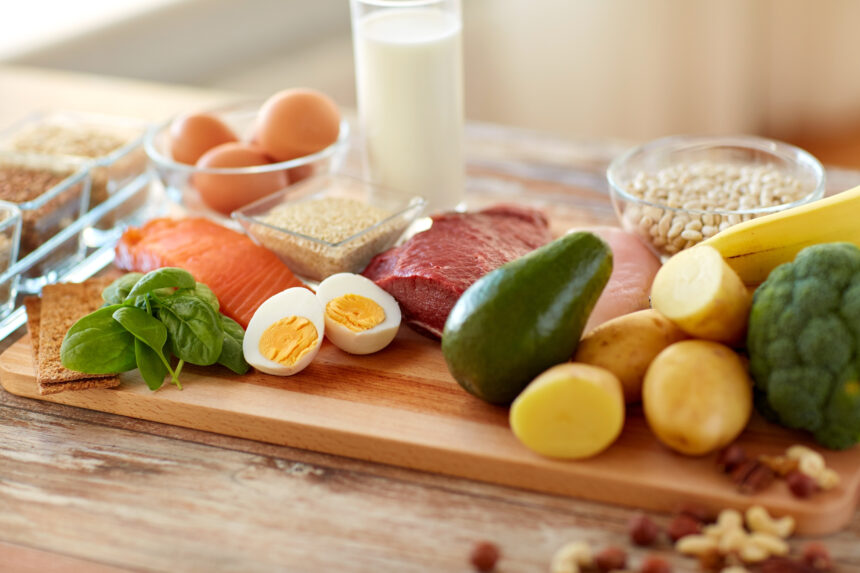
Your body does not need exactly the same nutrients at every stage of life. As you grow older, changes in metabolism, muscle mass, hormones, digestion and activity levels can affect how much of certain nutrients you need and how your body uses them.
Introduction
Good nutrition is important throughout life, but your nutritional needs can change considerably as you move from childhood and young adulthood into middle age and older adulthood.
A diet that worked well for you in your 20s may not provide everything your body needs in your 40s, 50s, 60s and beyond.
This does not mean you need a completely different diet every few years. Instead, it means you may need to pay more attention to certain nutrients, portion sizes, hydration and the quality of the foods you eat.
Ageing can also bring changes that influence nutrition. Your appetite may decrease, your body may lose muscle more easily, your bones may need more support, and some people may have difficulty absorbing certain nutrients.
Why Do Nutritional Needs Change With Age?
As you age, your body gradually undergoes several changes. Your metabolism may slow down, meaning you may need fewer calories than you did when you were younger.
At the same time, your body still requires essential vitamins, minerals, protein, fibre and healthy fats.
Physical activity may also decrease for some people, reducing their energy requirements while increasing the importance of nutrient-dense foods.
Changes in hormones, digestion, dental health, medications and appetite can also influence what and how much you eat.
This is why eating for good health is not simply about consuming fewer calories as you get older. It is about getting enough essential nutrients from the calories you consume.
How Nutrition Changes During Different Stages of Life
Nutritional needs change as the body grows, develops and ages. From childhood and adolescence to adulthood and older age, each stage of life requires different amounts of energy, protein, vitamins, minerals and other essential nutrients to support the body’s changing needs.
1. Childhood: Building the Foundation
Children need adequate nutrition because their bodies and brains are developing rapidly.
Protein is particularly important for building muscles, tissues and other parts of the body. Children also need calcium and vitamin D to support growing bones and teeth, while iron helps support healthy blood and normal development.
Fruits, vegetables, whole grains, beans, eggs, fish, meat, dairy products and other nutrient-rich foods can provide a wide range of essential nutrients.
Children also need enough energy to support growth and their naturally high levels of physical activity.
A child who eats very little variety may miss important nutrients even if they are eating enough food overall.
2. Teenagers: Supporting Rapid Growth
Adolescence is another period when nutritional requirements can increase because the body is undergoing rapid physical development.
Teenagers need sufficient protein, iron, calcium, vitamin D and other nutrients. Iron is particularly important during adolescence, especially for girls who begin menstruating and lose iron through menstrual bleeding.
Teenagers who participate heavily in sports or other physical activities may also have higher energy and protein requirements.
Skipping meals, relying heavily on processed foods or frequently replacing meals with sugary drinks can make it more difficult to meet these nutritional needs.
A balanced diet becomes especially important during this stage because eating habits developed during adolescence can continue into adulthood.
3. Your 20s and 30s: Maintaining Good Habits
During young adulthood, your body may still be relatively active and able to tolerate an inconsistent diet without immediately showing obvious effects.
However, this does not mean nutrition becomes less important.
Your 20s and 30s are an important period for establishing habits that support heart health, healthy body weight, strong bones and good metabolic health later in life.
Adequate protein helps maintain muscle, while calcium and vitamin D support bone health. Fibre from vegetables, fruits, beans and whole grains can support digestion and help maintain healthy cholesterol and blood sugar levels.
Healthy fats from foods such as fish, nuts, seeds, avocado and some vegetable oils can also be part of a balanced diet.
The goal at this stage is not perfection. It is to build sustainable eating habits that can continue as you get older.
4. Your 40s: Pay More Attention to Muscle and Metabolic Health
For many people, the 40s can bring gradual changes in metabolism and body composition.
Muscle mass can begin to decline with age, particularly when physical activity and strength training are inadequate. This makes adequate protein intake and regular physical activity increasingly important.
You may also notice that maintaining the same body weight becomes more difficult than it was when you were younger.
Rather than simply eating much less, focus on nutrient-dense foods and appropriate portions.
Vegetables, fruits, beans, whole grains, lean proteins, fish, nuts and seeds can provide important nutrients without relying heavily on foods high in added sugar, unhealthy fats and excess sodium.
This is also a good time to pay attention to blood pressure, cholesterol and blood sugar because diet and physical activity can influence these measures.
5. Your 50s: Protecting Bones, Muscles and Heart Health
By your 50s, maintaining muscle and bone health becomes increasingly important.
Adequate protein can help support muscle maintenance, particularly when combined with resistance or strength exercises.
Calcium and vitamin D remain important for maintaining bone health. Depending on your diet and individual circumstances, you may obtain calcium from foods such as milk, yoghurt, fortified foods, fish with edible bones and some leafy green vegetables.
Heart health also deserves attention.
A diet rich in vegetables, fruits, whole grains, beans, nuts, seeds and fish can provide fibre and other nutrients that support cardiovascular health.
At the same time, it is useful to moderate excessive intake of salt, added sugars and foods high in saturated fat.
6. Your 60s: Nutrient Density Becomes More Important
As people move into their 60s, calorie needs may decrease because of changes in activity and metabolism.
However, the need for many vitamins and minerals does not decrease in the same way.
This means you may need to get more nutrition from a smaller amount of food.
This is sometimes described as nutrient density. Nutrient-dense foods provide substantial vitamins, minerals, protein or other beneficial nutrients without supplying excessive calories.
Eggs, fish, beans, vegetables, fruits, whole grains, nuts, seeds and appropriate dairy or fortified alternatives can all contribute to a nutrient-dense diet.
7. Your 70s and Beyond: Focus on Protein, Hydration and Micronutrients
Older adults may experience reduced appetite, changes in taste and smell, dental problems, difficulty swallowing or other issues that make eating more challenging.
Some people may therefore eat less food overall. This can increase the risk of inadequate intake of important nutrients.
Protein becomes particularly important because older adults can lose muscle more easily. Sources can include eggs, fish, poultry, beans, lentils, yoghurt, milk and other protein-rich foods that are appropriate for the individual.
Hydration is also important. Older adults may not always feel thirsty even when their bodies need fluids.
Regular fluid intake can help reduce the risk of dehydration, although people with certain medical conditions may have specific fluid restrictions and should follow their healthcare professional’s advice.
MUST READ: Calcium Beyond Strong Bones: What Else Does It Do?
Nutrients That Deserve More Attention as You Age
As you get older, some nutrients become especially important for maintaining muscle strength, bone health, energy, immunity and overall wellbeing. Paying attention to protein, calcium, vitamin D, vitamin B12, iron, fibre and other essential nutrients can help support healthy ageing.
Protein
Protein helps build and maintain muscles, tissues and other structures in the body.
As muscle loss becomes more common with ageing, getting adequate protein becomes increasingly important.
Instead of consuming most of your protein in one meal, including a source of protein across meals can be a practical approach.
Calcium
Calcium supports bones and teeth, but it also plays roles in muscle contraction, nerve communication and blood clotting.
Adequate calcium intake throughout life is important because bone health depends on more than what you eat during old age.
Vitamin D
Vitamin D helps the body absorb calcium and plays an important role in bone and muscle health.
Sources include sunlight exposure, certain foods and fortified products. However, vitamin D requirements and supplementation needs can vary, so people who are at risk of deficiency should discuss testing or supplementation with a healthcare professional.
Vitamin B12
Vitamin B12 is important for red blood cell formation and normal nervous-system function.
Some older adults may have difficulty absorbing B12 from food because stomach-related changes can affect absorption.
People who eat little or no animal-source food may also need to pay particular attention to B12 from fortified foods or supplements.
Iron
Iron is needed to make haemoglobin, which helps carry oxygen around the body.
Iron requirements differ according to age and sex, and older adults should not automatically take iron supplements without a reason.
Unexplained tiredness, weakness or other symptoms can have many causes, so suspected iron deficiency should be evaluated rather than treated blindly with supplements.
Fibre
Fibre becomes particularly valuable as you age because constipation can become more common.
Beans, vegetables, fruits, whole grains, nuts and seeds can help increase fibre intake.
Increase fibre gradually and drink enough fluids unless a healthcare professional has advised you to restrict fluids.
Potassium
Potassium supports normal muscle and nerve function and contributes to healthy blood pressure regulation.
Fruits, vegetables, beans, potatoes and other plant foods can provide potassium.
However, people with kidney disease or certain medications may need to control their potassium intake, so more is not always better.
Should Older Adults Take More Supplements?
Not necessarily.
Supplements can be useful when a person has a confirmed deficiency, has difficulty meeting nutritional requirements through food, or has a medical reason for supplementation.
However, taking multiple supplements without professional guidance can sometimes lead to excessive intake or interactions with medications.
Food should generally remain the foundation of a healthy diet, while supplements should be used when there is a clear reason for them.
Practical Ways to Eat Better as You Age
A few simple habits can make a significant difference.
- Include a source of protein in your meals.
- Eat a variety of vegetables and fruits.
- Choose whole grains and other high-fibre foods regularly.
- Include healthy sources of fats such as fish, nuts, seeds and avocado.
- Drink fluids regularly throughout the day.
- Limit excessive salt and added sugars.
- Reduce your reliance on highly processed foods.
- Pay attention to portion sizes as your activity level changes.
- Stay physically active and include muscle-strengthening exercise where appropriate.
- Have regular medical check-ups and discuss nutritional concerns with a healthcare professional.
When Should You Speak to a Healthcare Professional?
Changes in nutrition can sometimes be connected to underlying health problems.
Speak with a healthcare professional if you experience unexplained weight loss, persistent loss of appetite, difficulty swallowing, ongoing digestive problems, unusual weakness, persistent fatigue or significant changes in your eating habits.
Older adults who take several medications should also discuss their diet and supplements with a healthcare professional because some medicines can affect appetite, nutrient absorption or nutrient levels.
Final Thoughts
Your nutritional needs do not remain exactly the same throughout life. As you age, your body may need fewer calories while continuing to require adequate amounts of protein, vitamins, minerals, fibre, healthy fats and fluids. Changes in muscle mass, bone health, metabolism, appetite and digestion can make the quality of your diet increasingly important.
The goal is not to follow a complicated diet. It is to make your meals more nutrient-dense, maintain adequate protein and hydration, eat a wide variety of foods and adjust your eating habits as your body and lifestyle change.
Good nutrition is not only about adding years to your life. It is also about supporting strength, independence, energy and quality of life as those years progress.