

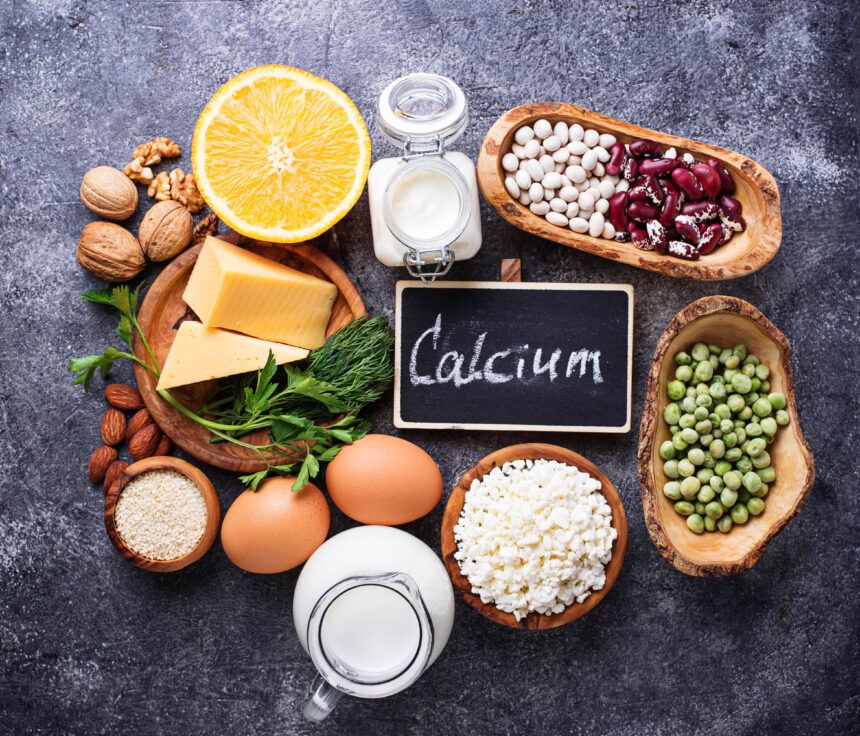
Calcium is widely known for keeping bones and teeth strong, but its role in the body goes much further. It is also important for muscle movement, nerve communication, blood clotting and several other essential body functions.
Introduction
When people hear the word calcium, strong bones and healthy teeth are usually the first things that come to mind. This is understandable because most of the calcium in the body is stored in bones and teeth.
However, calcium is also needed for several processes that happen every day. Your muscles need it to contract, your nerves use it to communicate and your blood needs it for normal clotting.
The body carefully regulates the amount of calcium in the blood because having too little or too much can interfere with normal body functions.
So, what exactly does calcium do beyond strengthening your bones?
What Is Calcium?
Calcium is an essential mineral that the body cannot produce on its own. It must come from your diet or, when appropriate, supplements.
Dairy products such as milk, yoghurt and cheese are well-known sources, but calcium is also found in foods such as sardines with edible bones, some leafy green vegetables, beans, tofu made with calcium, nuts and calcium-fortified foods.
The amount of calcium a person needs depends on factors such as age and sex. Requirements can also vary during certain stages of life.
How Does Calcium Help the Body?
Calcium does much more than build strong bones and teeth. It also supports muscle movement, nerve communication, heart function and blood clotting, making it an essential mineral for everyday body processes.
1. It Supports Strong Bones
Bones act as the body’s major calcium reservoir. Calcium gives bones their strength and structure, while bone tissue is constantly being broken down and rebuilt throughout life.
Adequate calcium intake, together with other nutrients and regular physical activity, supports healthy bones.
This is particularly important during childhood and adolescence, when bones are growing rapidly, but maintaining bone health remains important throughout adulthood.
2. It Helps Keep Your Teeth Strong
Calcium contributes to the structure and strength of teeth.
Teeth contain calcium-rich mineral structures that help them withstand the pressure of chewing. Adequate calcium is therefore part of good nutritional support for dental health.
However, healthy teeth require more than calcium. Good oral hygiene, fluoride exposure and regular dental care are also important.
3. It Helps Your Muscles Contract
Every time you move your body, your muscles contract and relax.
Calcium plays an important role in this process. When a muscle receives the appropriate signal, calcium is released inside the muscle cells, helping the muscle fibres contract.
This includes the muscles you consciously control, such as those in your arms and legs, as well as muscles that work automatically.
4. It Helps Your Heart Muscle Function
Your heart is a muscle, so calcium also plays a role in its contraction.
Calcium moves in and out of heart muscle cells as part of the process that allows the heart to contract and pump blood.
This is one reason why maintaining normal calcium levels is important for normal cardiovascular function.
However, calcium is only one part of a much larger system that controls heart rhythm and blood circulation.
5. It Supports Nerve Communication
Your nervous system depends on electrical and chemical signals to communicate throughout the body.
Calcium helps nerve cells release chemical messengers called neurotransmitters. These chemicals allow signals to pass from one nerve cell to another and help nerves communicate with muscles and other cells.
Without properly regulated calcium levels, normal nerve signalling can be disrupted.
6. It Helps Blood Clot Normally
Calcium is involved in the body’s blood-clotting process.
When you have an injury that causes bleeding, the body activates a series of reactions that help form a clot and limit blood loss. Calcium is one of the substances required for several steps in this process.
This is another example of why calcium is important even though you may not notice its activity on a daily basis.
7. It Supports Normal Cell Function
Calcium also acts as a signalling molecule inside cells.
Cells use changes in calcium levels to help control several processes, including communication between cells and certain aspects of cell activity.
This means calcium is involved in biological processes far beyond bones and teeth.
MUST READ: Can Your Diet Affect Your Sleep?
What Happens When You Do Not Get Enough Calcium?
Not getting enough calcium over a long period can affect bone health.
The body maintains calcium levels in the blood very carefully. When dietary calcium is insufficient, the body can draw calcium from bones to help maintain the necessary level in the bloodstream.
Over time, inadequate calcium intake can contribute to weaker bones, particularly when combined with other risk factors for poor bone health.
However, calcium deficiency is not something that should be diagnosed based on symptoms alone. A healthcare professional can assess your diet, health history and, when necessary, laboratory results or other tests.
Who May Need to Pay More Attention to Calcium?
Calcium is important at every age, but nutritional needs and the risk of inadequate intake can vary.
Children and teenagers need adequate calcium while their bones are developing. Adults also need calcium to maintain bone tissue and replace calcium that is naturally lost.
Older adults may need to pay particular attention to overall bone health because bone loss can increase with age.
Women after menopause can also experience increased bone loss because of hormonal changes.
People who avoid dairy products, follow restrictive diets or have certain digestive conditions may also need to pay closer attention to their calcium intake.
Where Can You Get Calcium From?
You do not have to rely only on milk to get calcium. Dairy products such as yoghurt and cheese can provide significant amounts.
Other sources include sardines and other small fish eaten with their edible bones, certain leafy green vegetables, beans, tofu prepared with calcium, almonds and calcium-fortified plant-based drinks.
The amount of calcium varies considerably between foods, so reading nutrition labels on fortified products can be useful.
A varied diet makes it easier to obtain calcium alongside other nutrients.
Does Vitamin D Matter?
Yes.
Vitamin D helps the body absorb calcium from the digestive system and is important for maintaining healthy bones.
This means that simply consuming calcium is not the whole story. Your body also needs appropriate vitamin D status, along with other nutrients and healthy lifestyle habits, to support bone health.
Vitamin D can be obtained through sunlight exposure, certain foods and supplements when medically appropriate.
Can You Get Too Much Calcium?
More calcium is not necessarily better.
Excessive calcium intake, particularly from unnecessary supplementation, can cause problems in some people. Depending on the circumstances, very high calcium intake may contribute to constipation or other complications.
Calcium supplements can also interact with certain medications.
For this reason, it is generally better to obtain nutrients from a balanced diet when possible and discuss supplementation with a healthcare professional if you think you may need it.
Calcium and Other Nutrients Work Together
Calcium does not work in isolation.
Bone health depends on several factors, including vitamin D, protein, phosphorus and other nutrients. Regular weight-bearing and muscle-strengthening physical activity also helps maintain strong bones.
This is why focusing on a single nutrient is less useful than looking at your overall diet and lifestyle.
How Can You Support Healthy Calcium Intake?
Start by including calcium-rich foods regularly in your meals.
If you consume dairy products, milk, yoghurt and cheese can be useful options. If you do not consume dairy, explore other calcium-containing foods such as appropriate leafy vegetables, beans, fish with edible bones and fortified alternatives.
Eat a varied diet rather than depending on one food. Regular physical activity and adequate vitamin D are also important parts of maintaining healthy bones and muscles.
If you are concerned that your diet does not provide enough calcium, speak with a healthcare professional or registered dietitian before starting a supplement.
Final Thoughts
Calcium is much more than a bone-building mineral.It helps muscles contract, supports nerve communication, contributes to normal blood clotting and plays a role in the normal function of the heart and cells.
The best way to support healthy calcium levels is usually through a varied and balanced diet that provides calcium alongside vitamin D, protein and other essential nutrients.
Rather than waiting until there is a problem with your bones, make calcium-rich foods part of your regular eating pattern. Your bones may store most of your calcium, but your entire body benefits from having the right amount available.