

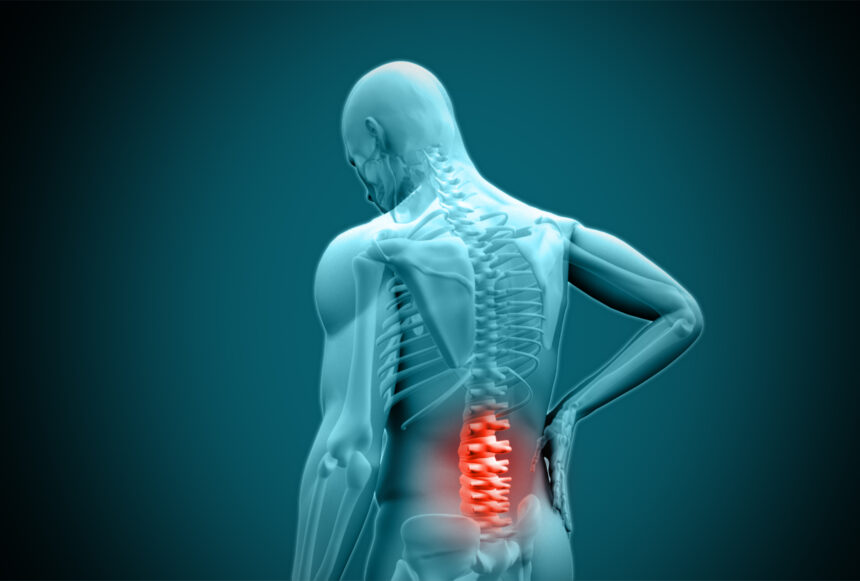
Back pain is one of the most common health complaints worldwide. Understanding its causes and how to manage it can help you reduce discomfort and improve your quality of life.
Introduction
Back pain is something most people will experience at some point in their lives. It can range from a mild ache to intense discomfort that interferes with daily activities.
For some, it comes suddenly after lifting something heavy. For others, it develops gradually due to posture, lifestyle, or underlying health conditions. Regardless of how it starts, back pain can affect movement, productivity, and overall well-being.
The good news is that most cases of back pain are not serious and can improve with simple care. Understanding what causes it and how to respond can help you manage it effectively and prevent future episodes.
What Is Back Pain
Back pain refers to discomfort felt anywhere along the spine, from the neck down to the lower back. It can be temporary or long-lasting and may feel dull, sharp, or burning.
In some cases, the pain may stay in one area, while in others, it may spread to other parts of the body, such as the legs.
Back pain is not a single condition but a symptom that can result from different causes.
Common Causes of Back Pain
Back pain can develop for many reasons, often related to strain, injury, or underlying conditions.
One of the most common causes is muscle or ligament strain. This can happen from lifting heavy objects, sudden movements, or poor posture over time.
Wear and tear on the spine, especially as you age, can also lead to pain. This includes conditions like arthritis or degeneration of spinal discs.
Other causes may include injuries from falls or accidents, structural issues in the spine, or conditions that affect nearby organs.
In many cases, there is no single clear cause, which can make back pain feel unpredictable.
Symptoms of Back Pain
Back pain does not feel the same for everyone. The symptoms can vary depending on the cause and severity.
You may experience:
- A dull, constant ache
- Sharp or stabbing pain
- Pain that worsens with movement
- Stiffness or limited flexibility
- Pain that radiates to the legs
Some people also notice that certain activities, such as bending, lifting, or standing for long periods, make the pain worse.
MUST READ:Phytonutrients: The Powerful Plant Compounds Your Body Needs
How Back Pain Is Treated
Most back pain improves with time and does not require complex treatment.
Resting briefly, while avoiding prolonged inactivity, can help the body recover. Gentle movement and maintaining good posture are also important for healing.
Over-the-counter pain relief, along with heat or cold therapy, can reduce discomfort.
For ongoing or more severe cases, physical therapy and guided exercises can help strengthen the back and improve flexibility.
Surgery is rarely needed and is usually considered only when other treatments do not provide relief.
Preventing Back Pain
Preventing back pain often comes down to daily habits.
Maintaining good posture while sitting and standing reduces unnecessary strain on the spine. Staying active helps strengthen the muscles that support your back.
Learning proper lifting techniques and avoiding sudden, awkward movements can also prevent injury.
A healthy weight reduces pressure on the spine, while regular stretching keeps your muscles flexible and balanced.
When to See a Doctor
While most back pain improves on its own, certain symptoms should not be ignored.
You should seek medical attention if:
- The pain lasts longer than a few weeks
- It is severe and does not improve with rest
- It spreads down your legs
- You experience numbness, tingling, or weakness
- It occurs after an injury
In rare cases, back pain may be linked to more serious conditions, especially if it is accompanied by symptoms like fever or loss of bladder control.
Final Thoughts
Back pain is a common part of life, but it does not have to control your daily routine. In most cases, it can be managed with simple care, awareness, and healthy habits.
Understanding the causes and recognizing the symptoms early can help you take the right steps toward relief.