

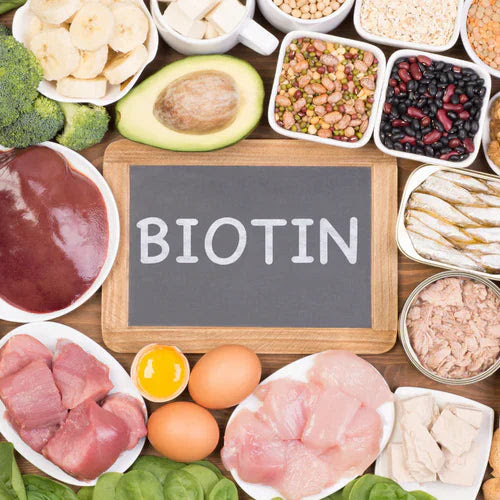
Biotin, also known as vitamin B7, is a popular supplement often used to support hair, skin, and nail health.
Introduction
Biotin is a water-soluble B vitamin that helps the body convert food into energy. It plays a role in metabolizing fats, carbohydrates, and amino acids, which makes it essential for maintaining overall health.
This vitamin also contributes to the proper functioning of the nervous system, liver, eyes, and skin.
Biotin is naturally found in many foods such as milk, nuts, salmon, and vegetables, and most people get enough of it through a balanced diet.
Because of its association with hair and nail health, biotin supplements have become increasingly popular.
However, taking large amounts of biotin without medical guidance may lead to unexpected effects.
What Is Biotin?
Biotin, sometimes called vitamin B7, is part of the B-complex group of vitamins that help the body produce energy from nutrients.
It supports several metabolic processes, including the breakdown of fats and carbohydrates and the production of glucose.
Because of these roles, biotin contributes to healthy skin, hair, and nerve function. Although supplements are widely marketed for beauty benefits, many people already meet their daily requirement through regular meals.
Possible Benefits of Biotin
Biotin supports several systems in the body and contributes to overall metabolic health. It helps the body convert food into usable energy and supports normal cellular function.
Some research suggests biotin may help manage certain conditions such as blood sugar control in individuals with diabetes when combined with other nutrients. It also supports the health of the nervous system and liver.
Despite its popularity in beauty supplements, scientific evidence showing that biotin significantly improves hair or nail growth in people without a deficiency is still limited.
Can Biotin Cause Side Effects?
Biotin is generally considered safe when consumed in normal amounts through food or when taken as directed by a healthcare professional. Because it is water-soluble, the body usually removes excess amounts through urine.
However, problems may occur when large doses are taken through supplements. Excessive intake may interfere with certain laboratory tests and may affect the accuracy of medical diagnoses.
MUST READ:8 Natural Remedies That Can Help Relieve Constipation
How Too Much Biotin Can Affect the Body
Taking high doses of biotin supplements may cause complications in some situations. One of the most significant concerns is that large amounts of biotin in the bloodstream can interfere with laboratory tests used to diagnose certain health conditions.
This interference may produce inaccurate results for tests related to thyroid disorders, heart disease, pregnancy, and other medical conditions. In some cases, these incorrect results may lead to misdiagnosis or inappropriate treatment.
Signs of Biotin Deficiency
Although rare, a lack of biotin can lead to noticeable symptoms. Biotin deficiency may occur due to certain dietary habits, underlying health conditions, or excessive consumption of raw egg whites, which can interfere with biotin absorption.
Common symptoms of low biotin levels may include hair thinning, skin rashes, fatigue, and changes in cholesterol levels.
In severe cases, neurological symptoms such as muscle weakness or coordination problems may occur.
How Much Biotin Do You Need?
For most adults, the recommended daily intake of biotin is about 30 micrograms per day. This amount is usually easy to obtain from a balanced diet that includes foods such as eggs, fish, nuts, seeds, and dairy products.
Because most people already receive enough biotin from food, supplements are typically unnecessary unless recommended by a healthcare provider.
Who Should Be Careful With Biotin Supplements?
People who are taking medications or undergoing medical testing should speak with a healthcare professional before taking biotin supplements. High levels of biotin may interact with certain medications or interfere with laboratory results.
Individuals considering high-dose biotin supplements for hair or nail health should also seek medical advice to ensure the supplement is necessary and safe.
Final Thoughts
Biotin is an important vitamin that supports metabolism, nerve function, and overall health. Most people get sufficient amounts from their daily diet, which means supplements are often unnecessary.
While biotin is generally safe, taking high doses without medical guidance may lead to complications, particularly by interfering with laboratory tests.