

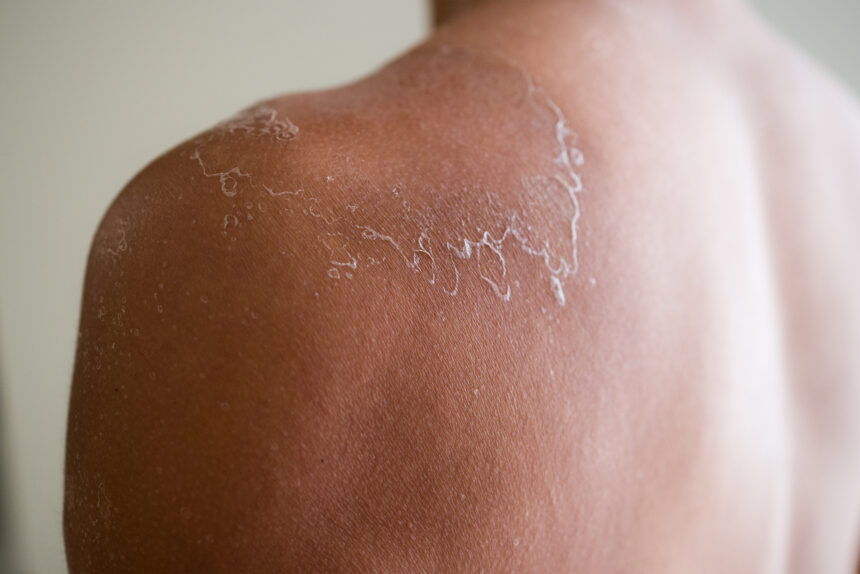
Have you ever developed an itchy rash after using a new soap, applying a skincare product or coming into contact with certain plants or chemicals? You may be experiencing contact dermatitis, a skin condition that occurs when the skin reacts to a substance it touches.
Introduction
The skin acts as a protective barrier between the body and the environment. However, certain substances can irritate the skin or trigger an allergic reaction, leading to redness, itching, swelling and sometimes painful blisters.
This condition is known as contact dermatitis. It can affect anyone, although some people are more susceptible because of sensitive skin, allergies or frequent exposure to irritating substances.
Contact dermatitis is often manageable, especially when the substance responsible is identified and avoided. However, persistent symptoms, severe reactions or signs of infection may require medical attention.
Understanding the causes, symptoms and treatment options can help you protect your skin and prevent repeated flare-ups.
What Is Contact Dermatitis?
Contact dermatitis is an inflammatory skin condition that develops when the skin comes into contact with a substance that irritates it or triggers an allergic response.
The resulting rash may appear within minutes or hours, or it may take several days to develop, depending on the cause.
It commonly affects the hands, face, arms, neck and other areas exposed to the substance. However, it can develop on almost any part of the body.
Contact dermatitis is not usually contagious. You cannot ordinarily catch it simply by touching someone who has the condition.
What Are the Two Main Types of Contact Dermatitis?
There are two main types: irritant contact dermatitis and allergic contact dermatitis. Although they can look similar, they develop in different ways.
1. Irritant Contact Dermatitis
Irritant contact dermatitis occurs when a substance directly damages or irritates the outer layer of the skin.
It is the most common type of contact dermatitis and does not require an allergy to develop.
Common triggers include detergents, harsh soaps, cleaning products, solvents, acids and other chemicals. Frequent handwashing and repeated exposure to water can also contribute, particularly when combined with cleaning agents.
Symptoms may include dryness, redness, burning, stinging, cracking and soreness. The hands are frequently affected, especially among people whose work involves regular contact with water or cleaning products.
The reaction may develop after a single strong exposure or gradually after repeated contact with a milder irritant.
2. Allergic Contact Dermatitis
Allergic contact dermatitis occurs when the immune system develops an allergic reaction to a substance that touches the skin.
The person must generally become sensitised to the substance first, meaning the immune system has learned to recognise it. A rash may develop after a later exposure, even when the amount of the substance is small.
Common triggers include nickel in jewellery, fragrances, preservatives in cosmetics, hair dyes, certain topical medicines and rubber chemicals.
Symptoms often include intense itching, redness, swelling and sometimes small fluid-filled blisters. The rash may appear hours or days after contact and can sometimes extend beyond the exact area that touched the trigger.
What Causes Contact Dermatitis?
Many everyday substances can cause contact dermatitis. Identifying the specific trigger is an important step towards preventing future reactions.
Soaps and detergents
Frequent exposure to harsh soaps, detergents and cleaning products can remove natural oils from the skin, weakening its protective barrier.
This can lead to dryness, irritation, cracking and inflammation, particularly on the hands.
Skincare and cosmetic products
Moisturisers, perfumes, makeup, deodorants and other personal-care products may contain fragrances, preservatives or other ingredients that irritate the skin or trigger an allergy.
A product labelled natural or herbal can still cause a reaction.
Jewellery and metals
Nickel, which may be present in earrings, necklaces, watches, belt buckles and other metal objects, is a common cause of allergic contact dermatitis.
A rash may develop where the metal touches the skin.
Hair dyes and hair-care products
Certain ingredients in hair dyes, including para-phenylenediamine (PPD), can cause allergic reactions in susceptible individuals.
The reaction may affect the scalp, hairline, ears, face or neck. Swelling and itching around the ears or eyelids can sometimes be clues.
Chemicals at work or home
Cement, solvents, paints, disinfectants and industrial cleaning products can irritate the skin. Some workplace substances can also cause allergic reactions.
People who handle these products regularly may be at increased risk, particularly if appropriate protective measures are not used.
Plants
Some plants contain substances that irritate the skin or trigger allergic reactions. Contact with certain plants can cause redness, itching and blistering.
Avoid touching unfamiliar plants, especially if you do not know whether they may cause a skin reaction.
MUST READ: What You Should Know About Glaucoma
What Are the Symptoms of Contact Dermatitis?
Symptoms vary according to the substance involved, the duration of exposure and the person’s skin sensitivity. Common symptoms include:
- Itching: The affected area may itch mildly or intensely.
- Redness: The skin may become red or appear darker than usual, depending on your skin tone.
- Dryness and scaling: The skin may become rough, flaky or cracked.
- Swelling: The affected area may become puffy or inflamed.
- Burning or stinging: Irritant contact dermatitis may cause a burning sensation, particularly after exposure to harsh chemicals.
- Blisters: Small fluid-filled blisters may appear in some cases.
- Crusting or oozing: Blisters may break and release fluid before forming a crust.
- Thickened skin: Repeated scratching or long-term inflammation may cause the skin to become thicker.
Symptoms may be limited to the area that came into contact with the trigger, although allergic reactions can sometimes spread to nearby skin.
Which Parts of the Body Are Commonly Affected?
Contact dermatitis can occur anywhere the skin encounters an irritating or allergenic substance.
The hands are commonly affected because they come into frequent contact with soaps, detergents, cleaning products and workplace chemicals.
The face and eyelids may react to cosmetics, fragrances, skincare products or substances transferred from the hands.
The neck and ears may be affected by jewellery, perfumes, hair products or clothing accessories.
Other areas, including the feet, waistline and underarms, may develop rashes from footwear materials, clothing components, adhesives or personal-care products.
The location of the rash can provide clues about the cause, but it cannot confirm the diagnosis on its own.
How Is Contact Dermatitis Different From Other Skin Conditions?
Contact dermatitis can resemble eczema, fungal infections, psoriasis and other skin problems.
For example, a fungal infection may produce an itchy rash, sometimes with a ring-shaped appearance. Eczema can also cause dryness, itching and inflammation.
Contact dermatitis is more likely when a rash develops in an area exposed to a particular product or substance, but this is not always the case.
Because the treatments differ, avoid assuming that every itchy rash is caused by an allergy or irritation. A healthcare professional can assess persistent or unclear symptoms.
How Is Contact Dermatitis Treated?
Treatment depends on the severity of the rash and whether it is caused by irritation or an allergic reaction.
1. Identify and Avoid the Trigger
The most important step is to stop or reduce contact with the substance responsible. If a new soap, cream, perfume or detergent appears to trigger the rash, stop using it while seeking appropriate advice if needed.
For workplace exposure, review protective measures and follow safety instructions for handling the substance. Avoid deliberately applying the suspected substance again to see whether the rash returns.
2. Wash the Affected Area Gently
If you have just come into contact with a suspected irritant or allergen, gently rinse the affected skin with lukewarm water. A mild, fragrance-free cleanser may help remove residue.
Avoid vigorous scrubbing, hot water and harsh antiseptics, as these may further irritate the skin.
3. Apply a Suitable Moisturiser
A fragrance-free moisturiser or ointment can help restore the skin’s protective barrier and reduce dryness.
Products containing petroleum jelly may be useful for some people with dry, irritated skin. Choose simple products and stop using anything that appears to worsen the reaction.
4. Use Medicines Only When Appropriate
A healthcare professional may recommend a topical corticosteroid to reduce inflammation and itching. The appropriate strength and duration depend on the location and severity of the rash.
Steroid creams should be used carefully, particularly on the face, eyelids, skin folds and genital areas, where the skin may be more vulnerable to side effects.
Antihistamines may help some people manage itching, although their effectiveness for contact dermatitis varies. They do not remove the underlying cause of the rash.
Do not use antibiotics or antifungal medicines unless there is a reason to believe they are needed.
5. Avoid Scratching
Scratching can damage the skin, increase irritation and introduce bacteria that may cause an infection.
Keeping fingernails short and applying a cool, damp cloth to the affected area may help relieve discomfort.
Can Contact Dermatitis Be Prevented?
Although it may not be possible to prevent every reaction, several practical measures can reduce the risk of flare-ups.
- Use mild, fragrance-free soaps and skincare products when possible.
- Introduce new cosmetic products cautiously and stop using products that cause a reaction.
- Wear appropriate protective gloves when handling cleaning products or workplace chemicals, following the product’s safety instructions.
- If you wear gloves for long periods, keep your hands dry and take suitable breaks to reduce moisture build-up.
- Remove jewellery that repeatedly causes a rash.
- Wash exposed skin promptly after contact with a known irritant, using a method appropriate for the substance.
- Moisturise regularly if your skin is prone to dryness or irritation.
- Keep a record of products, activities and exposures associated with recurring rashes.
Remember that wearing gloves is not a universal solution. Some glove materials can themselves trigger allergies, and the wrong type of glove may not protect against a particular chemical.
When Should You See a Doctor?
Consider medical assessment if the rash is persistent, keeps returning, spreads, causes significant discomfort or does not improve after you avoid the suspected trigger.
You should also seek care if the skin becomes increasingly painful, warm or swollen, develops pus, or is accompanied by fever. These may be signs of a secondary infection.
Seek urgent medical attention if you develop difficulty breathing, faintness or swelling of the tongue or throat after exposure to a suspected allergen. These symptoms may indicate a serious allergic reaction.
Severe blistering, extensive skin damage or a rash involving the eyes or other sensitive areas also warrants prompt medical assessment.
How Can You Find Out What Is Causing the Rash?
If allergic contact dermatitis is suspected, a clinician may recommend patch testing. During this test, small amounts of selected substances are placed on patches applied to the skin, usually on the back. The skin is examined at scheduled intervals to check for delayed allergic reactions.
Patch testing can help identify specific allergens, such as certain fragrances, metals or preservatives.
It is different from skin-prick testing, which is used to investigate some other types of allergy. Patch testing is not necessary for every case, but it can be valuable when the cause of recurring dermatitis is unclear.
Final Thoughts
Contact dermatitis is a common skin condition that can cause itching, redness, dryness, swelling and sometimes blisters. It may result from direct irritation or an allergic reaction to substances found in everyday products, jewellery, plants and workplace materials.
The most effective way to manage it is to identify the trigger, avoid further exposure and protect the skin while it heals.
If your rash persists, repeatedly returns or develops signs of infection, seek medical advice rather than relying on guesswork or repeatedly trying different creams.