

Both nutrients are essential for good health, but understanding their unique roles can help you make better dietary choices.
Introduction
When it comes to healthy eating, few nutrients receive as much attention as fiber and protein. Protein is often celebrated for its role in muscle growth and weight management, while fiber is praised for supporting digestion and heart health.
As people become more conscious of their nutritional choices, a common question emerges: which is more important fiber or protein?
The truth is that both nutrients play distinct and vital roles in maintaining overall health. Rather than competing against each other, fiber and protein work together to support a healthy body.
Understanding their differences and benefits can help you create a balanced diet that meets your nutritional needs.
What Is Protein?
Protein is a macronutrient made up of amino acids that are essential for growth, repair, and maintenance of body tissues. Every cell in the body contains protein, making it a critical nutrient for overall health.
Key Functions of Protein
Before exploring the benefits, it is important to understand why the body needs protein.
- Builds and repairs muscles, tissues, and organs
- Supports the production of enzymes and hormones
- Strengthens the immune system
- Helps maintain healthy skin, hair, and nails
- Promotes satiety, helping to control appetite
MUST READ: What to Know About Your Skin Barrier and How to Protect It
Good Sources of Protein
Protein can be obtained from both animal and plant sources.
- Lean meat and poultry
- Fish and seafood
- Eggs
- Dairy products
- Beans and legumes
- Soy products
- Nuts and seeds
What Is Fiber?
Fiber is a type of carbohydrate that the body cannot digest. Unlike other carbohydrates, fiber passes through the digestive tract largely intact, providing numerous health benefits along the way.
Types of Fiber
Understanding the two main types of fiber can help you maximize its benefits.
Soluble Fiber
This type dissolves in water to form a gel-like substance in the digestive tract.
Benefits include:
- Helps lower cholesterol levels
- Supports blood sugar control
- Promotes heart health
Insoluble Fiber
This type does not dissolve in water and adds bulk to stool.
Benefits include:
- Prevents constipation
- Supports regular bowel movements
- Promotes digestive health
Good Sources of Fiber
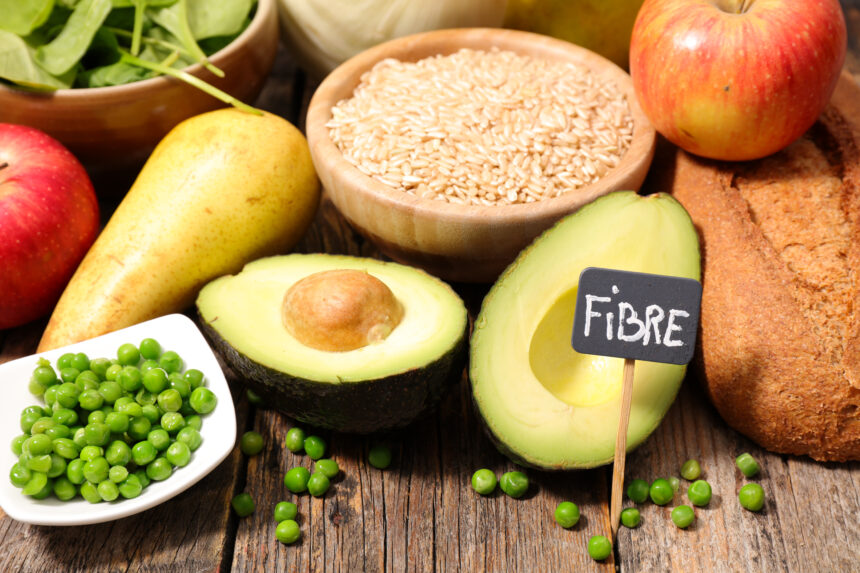
Many plant-based foods are naturally rich in fiber.
- Fruits
- Vegetables
- Whole grains
- Legumes
- Nuts and seeds
- Bran products
Comparing Fiber and Protein
The following comparison highlights their primary roles:
Protein’s Primary Benefits
Protein is particularly important for:
- Muscle maintenance and growth
- Tissue repair and recovery
- Immune function
- Satiety and weight management
Fiber’s Primary Benefits
Fiber plays a greater role in:
- Digestive health
- Cholesterol management
- Blood sugar regulation
- Gut microbiome support
- Prevention of constipation
Which Nutrient Is More Important for Weight Management?
Protein helps reduce hunger by increasing feelings of fullness and preserving muscle mass during weight loss. This can help prevent overeating and support a healthy metabolism.
Fiber, particularly soluble fiber, slows digestion and helps people feel satisfied for longer periods. High-fiber foods also tend to be lower in calories and more filling.
For sustainable weight management, experts recommend including both fiber-rich and protein-rich foods in meals and snacks.
Which Nutrient Is More Important for Digestive Health?
Fiber helps maintain regular bowel movements, supports beneficial gut bacteria, and reduces the risk of digestive disorders such as constipation.
Although protein is essential for overall health, excessive protein intake without adequate fiber can sometimes contribute to digestive discomfort and irregularity.
Which Nutrient Is More Important for Muscle Health?
Muscles require amino acids from protein to grow, repair, and function properly. Individuals who are physically active, recovering from illness, or advancing in age may need to pay closer attention to their protein intake.
While fiber supports overall wellness, it cannot replace protein’s unique role in maintaining muscle mass.
Can You Have Too Much of One and Not Enough of the Other?
Many modern diets tend to emphasize protein while neglecting fiber. This imbalance can lead to digestive issues and missed opportunities for improving heart and metabolic health.
On the other hand, focusing heavily on fiber while consuming inadequate protein may make it difficult to maintain muscle mass and support tissue repair.
Signs You May Need More Protein
- Frequent hunger
- Muscle loss
- Slow recovery after exercise
- Fatigue
Signs You May Need More Fiber
- Constipation
- Irregular bowel movements
- Poor blood sugar control
- Increased cholesterol levels
The Ideal Approach: Prioritize Both
Instead of choosing one over the other, aim to include both nutrients in every meal.
Some excellent combinations include:
- Oatmeal topped with nuts and seeds
- Greek yogurt with berries
- Beans and brown rice
- Grilled fish with vegetables
- Whole-grain toast with eggs
- Lentil soup with a side salad
These combinations provide a balance of protein and fiber that supports energy, digestion, satiety, and overall health.
Final Thoughts
The question should not be whether fiber or protein is more important, but whether you are getting enough of both. Protein is indispensable for muscle growth, tissue repair, and overall body function, while fiber is essential for digestive health, heart health, and blood sugar management.
A healthy diet is not built around a single nutrient. By including a variety of protein-rich and fiber-rich foods in your daily meals, you can enjoy the unique benefits of both and support long-term wellness.