

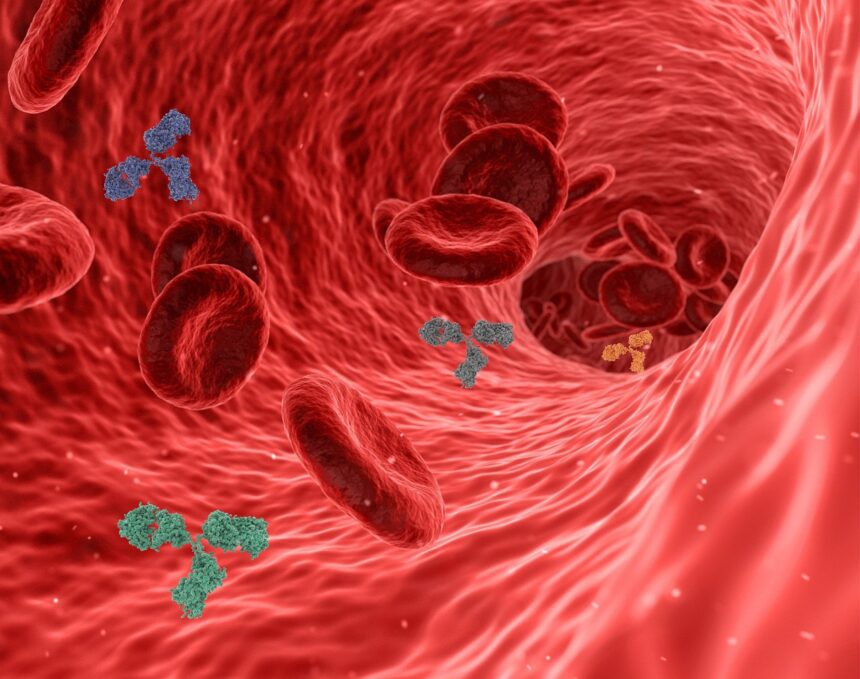
Why what you eat daily can weaken or strengthen your body’s natural defense system
Introduction
The immune system works quietly in the background every day, protecting the body from infections, inflammation, and disease.
While genetics and lifestyle factors like sleep and stress play a role, diet remains one of the most powerful influences on immune health.
Unfortunately, many people underestimate how poor eating habits gradually weaken immune defenses.
Highly processed foods, excess sugar, irregular meal patterns, and nutrient-poor diets can disrupt immune function over time.
Rather than causing immediate illness, these habits slowly reduce the body’s ability to fight infections and recover efficiently.
The Immune System and Its Nutritional Needs
The immune system is made up of cells, tissues, and organs that work together to identify and eliminate harmful pathogens.
These cells require a steady supply of vitamins, minerals, protein, and energy to perform properly. When the body lacks essential nutrients, immune responses become slower and less effective.
A balanced diet supports immune cell production, antibody formation, and inflammation control. Without proper nourishment, the immune system struggles to respond to threats, making the body more vulnerable to illness.
Frequent Consumption of Processed Foods
Highly processed foods weaken immune response over time
How processed foods affect immunity
Processed foods are often high in refined carbohydrates, unhealthy fats, sodium, and artificial additives, while being low in essential nutrients. Regular consumption of these foods displaces nutrient-rich options that support immune health.
Over time, diets dominated by processed foods can lead to:
- Reduced intake of vitamins and minerals needed for immune cell activity
- Increased inflammation, which weakens immune signaling
- Poor gut health, affecting immune regulation
This pattern creates an environment where the immune system becomes less efficient at fighting infections.
MUST READ:Common Fitness Mistakes That Slow Progress
Excess Sugar Intake and Immune Suppression
Consuming too much sugar, especially from sugary drinks and snacks, has a direct negative effect on immune function.
Excess sugar increases inflammation and can temporarily suppress the activity of white blood cells, which are essential for fighting infections.
Frequent blood sugar spikes also strain the body’s metabolic systems. Over time, this can lead to insulin resistance and chronic inflammation, both of which impair immune response and increase susceptibility to illness.
Nutrient Deficiencies and Weakened Immunity
The immune system cannot function without key nutrients
Common nutrient gaps linked to poor diets
Poor eating habits often result in deficiencies that compromise immune health. Nutrients such as vitamin C, vitamin D, zinc, iron, and protein play essential roles in immune defense.
When these nutrients are lacking, the immune system may experience:
- Slower response to infections
- Reduced antibody production
- Delayed recovery from illness
- Increased frequency of infections
Diets low in fruits, vegetables, whole grains, and protein-rich foods are especially associated with weakened immunity.
Irregular Eating Patterns and Skipped Meals
Skipping meals or eating at irregular intervals can stress the body and disrupt blood sugar balance.
This stress response increases cortisol levels, which can suppress immune function when chronically elevated.
Regular meals provide steady energy and nutrients needed to maintain immune balance. Poor eating patterns, particularly prolonged fasting without nutritional planning, may leave the immune system undernourished and less responsive.
Poor Gut Health and Immune Dysfunction
A large portion of the immune system resides in the gut
The gut–immune connection
Approximately 70 percent of the immune system is linked to the gut. Poor eating habits especially low fiber intake and high consumption of processed foods disrupt gut microbiota balance.
When gut health is compromised:
- Beneficial bacteria decrease
- Harmful bacteria may increase
- Immune signaling becomes impaired
This imbalance weakens the body’s first line of defense and increases inflammation, making infections more likely.
Inadequate Protein Intake
Protein provides the building blocks needed for immune cells, antibodies, and enzymes. Diets consistently low in protein limit the body’s ability to repair tissues and mount effective immune responses.
Inadequate protein intake may result in:
- Reduced antibody production
- Slower healing
- Increased susceptibility to infections
Balanced meals that include adequate protein support both immune strength and overall health.
Dehydration and Immune Efficiency
Hydration plays an important role in immune health. Water helps transport nutrients, remove waste products, and maintain mucosal barriers in the respiratory and digestive systems.
Chronic dehydration can reduce circulation efficiency and impair the body’s ability to flush out toxins. Poor hydration, combined with poor diet, places additional strain on immune defenses.
Chronic Inflammation from Poor Diet Choices
Unhealthy eating habits often promote chronic, low-grade inflammation. Diets high in refined carbohydrates, trans fats, and sugar keep the immune system in a constant state of activation.
Over time, this inflammatory state exhausts immune resources and reduces the body’s ability to respond effectively to real threats.
Instead of protecting the body, the immune system becomes overwhelmed and inefficient.
How Poor Eating Habits Increase Illness Risk
The impact of poor nutrition on immunity builds gradually. People with unhealthy eating patterns may notice:
- Frequent colds or infections
- Longer recovery times
- Persistent fatigue
- Increased inflammation-related conditions
These signs often reflect an immune system struggling due to inadequate nutritional support.
Improving Immune Health Through Better Eating
Improving immune health does not require perfection. Consistent, balanced eating habits make a meaningful difference over time. Focusing on whole foods, adequate protein, fiber, hydration, and regular meals strengthens the immune system naturally.
Replacing poor eating habits with nourishing choices supports gut health, reduces inflammation, and improves immune resilience.
Final Thoughts
Poor eating habits affect the immune system in subtle but powerful ways. Diets high in processed foods, sugar, and nutrient-poor meals weaken immune defenses, disrupt gut health, and increase inflammation. Over time, these effects make the body more vulnerable to illness and slow recovery.
By prioritizing balanced, nutrient-dense meals and consistent eating patterns, the immune system receives the support it needs to function effectively. Food is not just fuel—it is a critical part of the body’s defense system.