

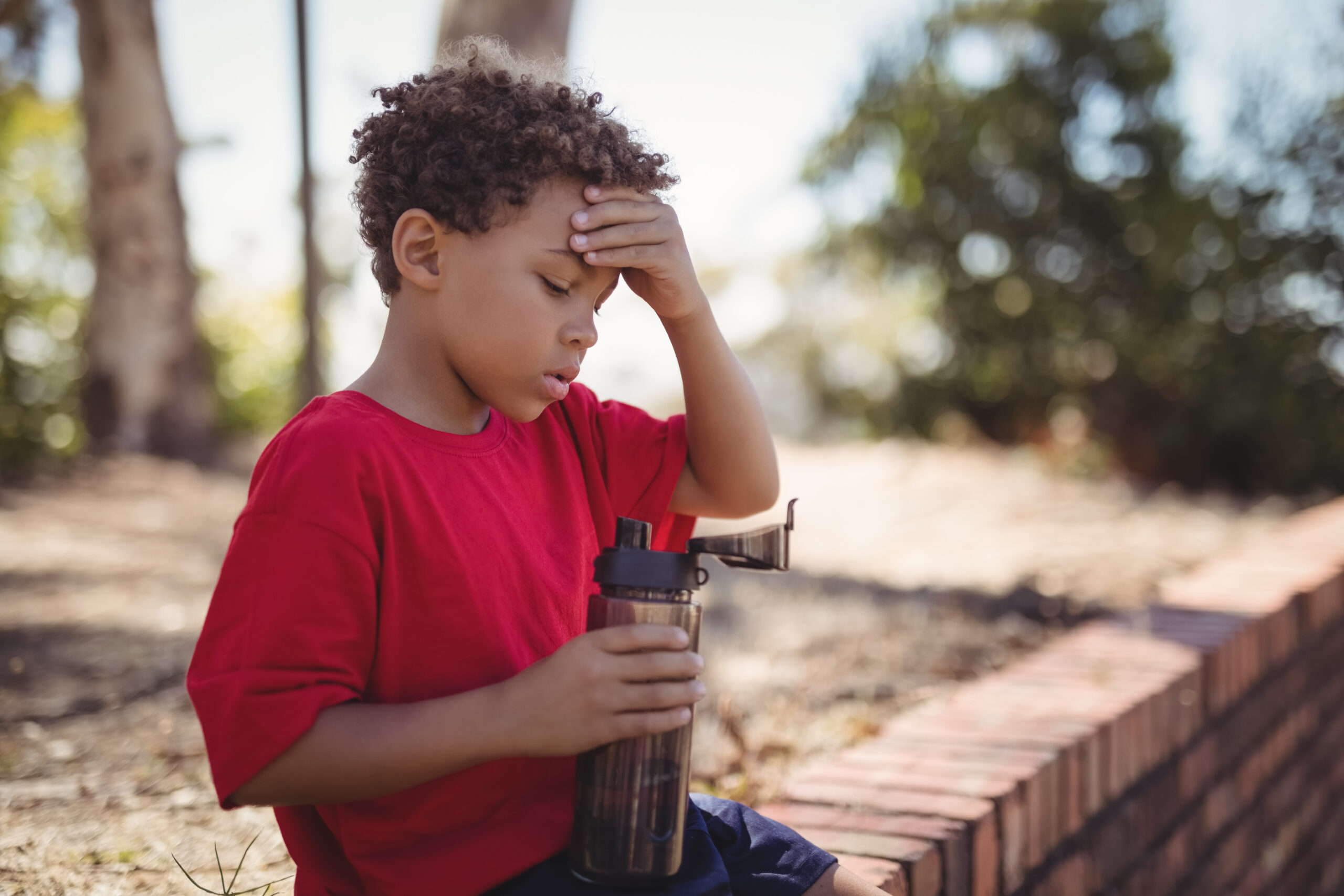
Rising temperatures can put children at risk of dehydration, heat exhaustion and heatstroke. Discover ten practical ways Nigerian parents and caregivers can protect children during periods of extreme heat and recognise the warning signs that require urgent medical attention.
Introduction
The hot weather currently being experienced in parts of Nigeria is more than a source of discomfort. When temperatures rise significantly, children can become vulnerable to dehydration, heat exhaustion and potentially life-threatening heatstroke.
According to a report published by Premium Times on 24 October 2026, the Nigerian Meteorological Agency (NiMet) warned of hotter days and increased heat discomfort as the country moves from the rainy season into the hotter, drier months. The report highlights the importance of taking precautions against excessive heat.
Children require special attention during hot weather because their bodies regulate heat differently from adults, and younger children may not recognise or communicate the early signs of overheating. Babies and young children are particularly vulnerable, while older children who participate in outdoor sports or spend hours playing under the sun can also be affected.
The United Nations Children’s Fund (UNICEF) explains that extreme heat can affect children’s health, nutrition, sleep, mental well-being and ability to concentrate at school.
For parents, teachers and caregivers, knowing how to reduce children’s exposure to heat and identify the warning signs of heat-related illness can help prevent avoidable emergencies.
Why Is Extreme Heat Dangerous for Children?
When the weather becomes very hot, the body must work harder to maintain a safe internal temperature. Sweating helps the body cool down, but excessive sweating without enough fluid replacement can lead to dehydration.
Children may lose fluids through sweating, vomiting or diarrhoea. If they are also playing actively, wearing heavy clothing or staying in a poorly ventilated room, their risk of heat-related illness may increase.
Babies depend entirely on adults to keep them cool, feed them appropriately and recognise when something is wrong. Older children may continue playing even when they are exhausted or thirsty.
Extreme heat can also make sleeping difficult, reduce concentration and affect children’s ability to participate comfortably in school activities.
10 Practical Ways to Keep Children Safe During Extreme Heat
These ten precautions can help parents and caregivers reduce children’s exposure to dangerous heat and respond promptly when problems arise.
1. Encourage Children to Drink Water Regularly
Children may become so absorbed in playing, watching television or participating in school activities that they forget to drink water. During hot weather, parents should offer water regularly rather than waiting until children complain of thirst.
School-age children should have access to clean drinking water throughout the day, particularly during outdoor activities. Encourage them to take water breaks before, during and after physical exercise.
For babies younger than six months who are exclusively breastfed, continue breastfeeding frequently. Do not give them extra water unless a qualified healthcare professional specifically advises it. Babies who receive formula should continue to receive correctly prepared formula, with advice from a healthcare professional if there are concerns about feeding or hydration.
2. Keep Children Indoors During the Hottest Hours
Whenever possible, schedule outdoor play, sports and other strenuous activities for the cooler parts of the morning or evening.
During the hottest part of the day, children should rest in a cool, shaded or well-ventilated environment. Schools and childcare centres should consider adjusting outdoor activities when local weather warnings indicate dangerous heat.
If children must go outside, encourage regular breaks in the shade and make sure drinking water is available.
3. Dress Children in Light, Breathable Clothing
Heavy clothing can make it more difficult for the body to release heat. Dress children in lightweight, loose-fitting clothing that allows air to circulate.
Light-coloured fabrics may also help reduce the absorption of sunlight. When children are outdoors, use appropriate sun protection, such as a wide-brimmed hat, shade and sunscreen suitable for their age.
For babies, avoid wrapping them in excessive blankets or dressing them in several layers during hot weather. Check their chest or back to assess whether they are becoming too hot.
4. Make the Home as Cool as Possible
A hot room can make children uncomfortable and increase the risk of overheating, particularly at night.
Where it is safe to do so, improve ventilation by opening windows when the outside air is cooler. During periods of strong sunlight, curtains or blinds can help reduce indoor heat. Switch off unnecessary appliances that generate heat.
If electricity is available, a fan or air conditioner may improve comfort. However, fans may not adequately protect people when temperatures become extremely high. If the home remains dangerously hot, consider taking children to a cooler, safe location.
Never use a fuel-powered generator indoors or in an enclosed space to power cooling equipment, because generator exhaust can cause fatal carbon monoxide poisoning.
5. Never Leave a Child Inside a Parked Vehicle
This is one of the most important safety rules during hot weather. The temperature inside a parked vehicle can rise rapidly, even when the windows are slightly open or the vehicle is parked in the shade. A child left inside can develop life-threatening heatstroke within a short period.
Never leave a child alone in a parked vehicle, even for a brief errand. Make it a habit to check the back seat before leaving the vehicle, and ensure that children cannot enter an unattended vehicle to play.
If you find a child trapped inside a hot vehicle, contact emergency services immediately and follow their instructions.
6. Watch Children Closely During Outdoor Play
Running, football, cycling and other physical activities generate additional body heat. During extreme weather, children may overheat faster than expected, especially if they continue playing without rest.
Watch for unusual tiredness, dizziness, headache, nausea, excessive sweating or complaints of feeling unwell.
Provide frequent rest periods in a cool or shaded area. Stop the activity immediately if a child develops symptoms, and do not encourage a child to continue playing simply to finish a game or training session.
Children returning to physical activity after illness should be given extra time to adjust, with the activity level increased gradually.
7. Recognise the Early Signs of Dehydration
Dehydration occurs when the body loses more fluid than it takes in. It can develop during hot weather, particularly when a child is sweating heavily or also experiencing vomiting or diarrhoea.
Possible warning signs include:
- A dry mouth or unusually dry lips.
- Dark yellow urine or urinating less frequently than usual.
- Headache, tiredness or dizziness.
- Unusual irritability or reduced activity.
- In babies, fewer wet nappies than usual, poor feeding or unusual sleepiness.
Offer appropriate fluids and move the child to a cooler environment. If symptoms are significant, persistent or worsening, seek medical advice promptly.
A child who is difficult to wake, confused, unable to drink or showing signs of severe dehydration needs urgent medical assessment.
8. Be Careful With Babies and Young Children
Babies and toddlers need special protection because they cannot reliably tell adults that they are too hot or thirsty.
Check on babies regularly, particularly when they are sleeping or resting in a warm room. Avoid excessive bedding and ensure that their sleeping environment is not overheated.
Continue breastfeeding frequently during hot weather. For exclusively breastfed babies younger than six months, breast milk provides the fluid they need; additional water is not recommended unless medically directed.
Do not cover a pram or stroller with a thick blanket to protect a baby from the sun. This can trap heat and reduce airflow. Instead, use shade and a suitable stroller sunshade that allows ventilation, and monitor the baby closely.
Seek medical advice if a baby feeds poorly, produces fewer wet nappies, becomes unusually sleepy or appears unwell.
9. Protect Children at School and During Travel
Children may spend many hours in classrooms, school buses, playgrounds and other environments where heat can accumulate.
Parents should ensure that children leave home with access to drinking water and suitable clothing. Schools and childcare centres should provide water breaks, adequate ventilation and shaded rest areas, and modify strenuous outdoor activities during dangerous heat.
Children should never be expected to continue sports, assemblies or outdoor lessons when they show signs of heat illness.
During travel, ensure that children are not left unattended in vehicles. When possible, choose cooler travel times and allow breaks on long journeys.
10. Know When Heat-Related Illness Is an Emergency
Recognising symptoms early can prevent a serious situation from becoming life-threatening. Heat exhaustion may cause heavy sweating, weakness, headache, dizziness, nausea and muscle cramps.
If these symptoms develop, stop the activity, move the child to a cool place, remove unnecessary clothing, cool the skin with water or cool wet cloths, and offer small amounts of water if the child is fully alert and able to swallow.
Heatstroke is a medical emergency. Warning signs can include confusion, unusual behaviour, seizures, collapse or loss of consciousness. The skin may be very hot, but sweating can still occur, so sweating does not rule out heatstroke.
Call emergency medical services immediately if heatstroke is suspected. Begin cooling the child promptly with cool water or wet cloths while help is arranged. Do not force fluids into a confused or unconscious child, and do not delay emergency care while attempting home treatment.
MUST READ:El Niño Explained: How the Climate Phenomenon Could Affect Health, Food and Weather in Nigeria
What Parents Should Avoid During Extreme Heat
Some everyday practices can unintentionally increase a child’s risk of overheating.
- Do not insist that children finish strenuous outdoor activities when they feel unwell.
- Do not ignore reduced urination, unusual weakness or changes in behaviour.
- Do not overdress babies or cover their prams with thick fabric.
- Do not leave children alone in parked vehicles.
- Do not give babies younger than six months extra water as a routine response to hot weather.
- Do not give medicines or home remedies to treat suspected heatstroke instead of seeking emergency care.
Parents should also remember that excessive heat can affect children even when they are indoors. A poorly ventilated room may remain dangerously hot, especially overnight.
Final Thoughts
Extreme heat is not simply an inconvenience. It can pose serious health risks to children, particularly babies, toddlers and those who spend long periods outdoors.
As Nigeria experiences changing weather conditions, parents, schools and caregivers should make children’s safety a priority. Regular access to appropriate fluids, light clothing, cooler environments, supervised outdoor activities and early recognition of symptoms can help reduce the risk of heat-related illness.
Most importantly, parents should never dismiss unusual tiredness, dizziness, poor feeding or changes in a child’s behaviour during very hot weather. When severe symptoms appear, seek medical assistance immediately.