

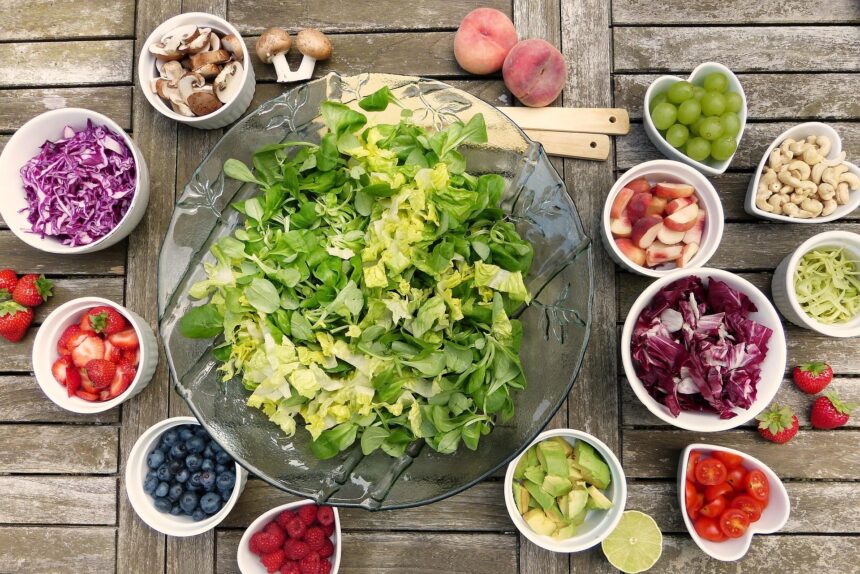
Polycystic Ovary Syndrome (PCOS) affects hormones, metabolism, and fertility but the right dietary approach can significantly improve symptoms, regulate cycles, and support long-term health.
Introduction
Polycystic Ovary Syndrome (PCOS) is one of the most common hormonal disorders affecting women of reproductive age.
Many women struggle with irregular periods, weight gain, acne, excessive hair growth, and difficulty conceiving often without realizing that insulin resistance and diet play a major role.
While there is no permanent cure for PCOS, nutrition is one of the most powerful tools for managing it.
The right dietary choices can improve insulin sensitivity, balance hormones, reduce inflammation, and support ovulation.
In this article, we’ll break down what PCOS is, how diet affects it, and the specific foods and eating patterns that truly help.
What Is PCOS?
Polycystic Ovary Syndrome is a hormonal condition where the ovaries produce excess androgens (male hormones).
This hormonal imbalance can interfere with ovulation and lead to multiple small cysts in the ovaries.
Common Symptoms of PCOS
- Irregular or missed periods
- Excess facial or body hair (hirsutism)
- Acne or oily skin
- Weight gain, especially around the abdomen
- Difficulty getting pregnant
- Dark patches of skin (insulin resistance sign)
One of the key drivers of PCOS is insulin resistance, which is why diet matters so much.
How Diet Affects PCOS
Many women with PCOS have insulin resistance, meaning their cells don’t respond properly to insulin. As a result:
- The body produces more insulin
- High insulin levels stimulate more androgen production
- Hormonal imbalance worsens
Managing blood sugar through food can reduce insulin levels and improve symptoms.
What to Eat If You Have PCOS
The goal is to stabilize blood sugar, reduce inflammation, and support hormone balance.
1. High-Fiber Foods
Fiber slows down digestion and prevents blood sugar spikes.
Good Options:
- Oats
- Brown rice or ofada rice
- Beans and lentils
- Vegetables (ugu, spinach, okra)
- Fruits like apples and pears
Fiber also supports gut health, which plays a role in hormone regulation.
2. Lean Protein
Protein helps control appetite and stabilize blood sugar levels.
Include:
- Eggs
- Fish (especially sardines and mackerel)
- Chicken (grilled or boiled)
- Beans and moi moi
- Greek yogurt (unsweetened)
Protein at every meal helps reduce cravings and overeating.
3. Healthy Fats
Healthy fats reduce inflammation and improve hormone production.
Best Sources:
- Avocado
- Groundnuts
- Almonds
- Olive oil
- Fatty fish
Avoid trans fats and heavily processed vegetable oils.
4. Low-Glycemic Carbohydrates
The glycemic index (GI) measures how quickly food raises blood sugar. Women with PCOS benefit from low-GI carbs, which release sugar slowly.
Better Choices:
- Sweet potatoes
- Whole wheat bread
- Brown rice
- Plantain (boiled, not fried)
Limit:
- White bread
- Sugary drinks
- Pastries
- Large portions of white rice
MUST READ: 7 Healthy Nigerian Breakfast Ideas
Foods to Reduce or Avoid
Refined sugar significantly worsens insulin resistance in women with PCOS. Sugary drinks, sweets, and pastries cause rapid blood sugar spikes that increase androgen production. Processed carbohydrates like white bread and white rice in large portions also destabilize blood sugar levels.
Some women may notice worsened acne or symptoms with excessive dairy intake. Highly processed and fried foods promote inflammation, which can intensify hormonal imbalance.
Does Weight Loss Help PCOS?
For overweight women, losing just 5–10% of body weight can improve menstrual regularity and insulin sensitivity. Even modest weight reduction may lower androgen levels and support ovulation.
However, PCOS also affects women who are not overweight. In such cases, improving diet quality and physical activity remains essential. Sustainable lifestyle changes are more effective than crash dieting.
Anti-Inflammatory Eating Pattern for PCOS
An anti-inflammatory diet supports hormone balance and reduces metabolic stress. Emphasizing vegetables, fruits, whole grains, and omega-3-rich fish is beneficial. Healthy fats from nuts, seeds, and avocados further reduce inflammation.
Limiting fried foods, sugary beverages, and processed snacks is equally important. Consistency with whole, minimally processed foods produces better long-term results.
Lifestyle Factors That Support Diet
Regular physical activity, especially strength training, improves insulin sensitivity. Adequate sleep supports hormone regulation and metabolic balance. Chronic stress can worsen PCOS symptoms by increasing cortisol levels.
Stress management techniques like exercise and relaxation are helpful. A holistic approach combining diet and lifestyle changes yields the best outcomes.
Final Thoughts
PCOS management begins with consistent, balanced nutrition choices. Reducing refined sugars and processed foods improves insulin control. Prioritizing fiber, protein, and healthy fats supports hormonal balance.
Small, sustainable changes are more effective than extreme diets. With commitment and proper guidance, symptom improvement is achievable.