

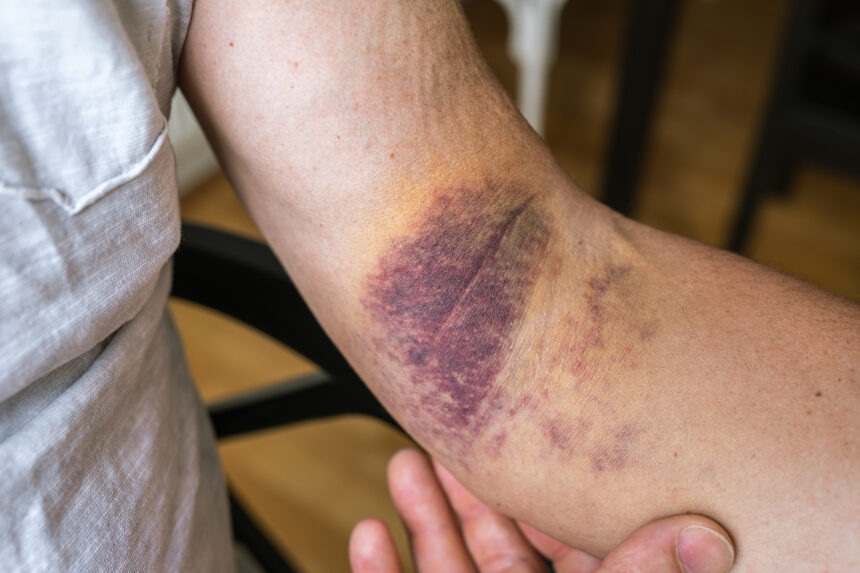
Skin infections can affect anyone and may begin with something as simple as redness, itching, swelling, or a small wound.
Introduction
The skin is the body’s largest organ and serves as an important barrier against bacteria, viruses, fungi, and other harmful organisms.
When that barrier is damaged by a cut, insect bite, burn, scratch, shaving, or another injury, microorganisms can sometimes enter and cause an infection.
Skin infections can also develop without an obvious wound. Fungal infections, for example, can spread in warm and moist areas of the body, while certain bacterial infections can develop around hair follicles or existing skin conditions.
Not every rash, pimple, or itchy patch is an infection. However, certain changes can suggest that microorganisms are involved.
What Is a Skin Infection?
A skin infection occurs when harmful microorganisms invade the skin and multiply.
Different microorganisms can cause skin infections. Bacteria, fungi, and viruses are among the most common causes.
Bacterial infections may cause redness, warmth, swelling, tenderness, or pus. Fungal infections often produce itching, scaling, peeling, or ring-shaped rashes. Viral infections can cause blisters, sores, or clusters of lesions, depending on the virus involved.
Because different infections require different treatments, it is important not to assume that every skin problem should be treated with the same cream or medication.
10 Signs of a Skin Infection
A skin infection can look different depending on its cause and location. These are some warning signs to watch for.
1. Increasing Redness
Redness is one of the common signs of inflammation.
A small amount of redness around a fresh cut can occur as part of normal healing. However, redness that continues to spread or becomes increasingly intense may indicate an infection.
Pay particular attention when redness is accompanied by warmth, swelling, pain, or discharge.
2. Skin That Feels Warm
Infected skin may feel noticeably warmer than the surrounding area.
This can happen because the body is sending increased blood flow and immune activity to the affected area.
If a patch of skin becomes increasingly warm, red, swollen, and painful, it should be evaluated, particularly if the symptoms are getting worse.
3. Swelling
Swelling can occur when the body responds to an injury or infection. A small amount of swelling after an injury may be expected. Persistent or increasing swelling, particularly when combined with redness, warmth, and pain, can be a sign of infection.
Swelling around the face or eyes deserves particular attention because infections in these areas can sometimes become serious.
4. Increasing Pain or Tenderness
A minor wound may initially be uncomfortable but should generally begin to improve as it heals. If the area becomes increasingly painful, tender, or sensitive to touch, an infection may be developing.
Pain that appears disproportionate to the visible skin changes should also be taken seriously.
5. Pus or Other Discharge
Pus is a thick fluid that can contain dead cells, bacteria, and immune cells. Yellow, white, greenish, or foul-smelling discharge from a wound, boil, or skin lesion can indicate an infection.
A healthcare professional should assess wounds that are producing significant or persistent discharge.
6. A Wound That Is Not Healing
If a wound remains open, becomes increasingly painful, develops discharge, or continues to become red and swollen instead of healing, an infection may be present.
People with diabetes should pay particular attention to wounds because diabetes can increase the risk of infection and delay wound healing.
7. Red Streaks on the Skin
Red lines or streaks extending away from an infected wound can sometimes indicate that an infection is spreading through the lymphatic system.
This can be a sign that medical attention is needed promptly. Do not wait for the streaks to disappear on their own, particularly if you also have fever or feel unwell.
8. Blisters, Sores, or Pus-Filled Bumps
The appearance can provide clues about the possible cause, but it is not enough to make a definite diagnosis.
Avoid squeezing or repeatedly touching boils and other suspicious lesions because this can irritate the skin and potentially spread infection.
9. Fever or Chills
A skin infection can sometimes cause symptoms throughout the body. Fever, chills, unusual tiredness, weakness, or feeling generally unwell can occur when an infection becomes more significant.
A person with a rapidly worsening skin infection and fever should seek medical attention.
10. The Affected Area Is Spreading Quickly
An infection that expands quickly may require prompt treatment. This is particularly important when the affected area is on the face, around the eyes, hands, genitals, or near a major joint.
Common Types of Skin Infections
Different microorganisms produce different types of skin infections.
Bacterial Skin Infections
Bacteria can cause conditions such as cellulitis, impetigo, infected wounds, and boils. These infections may cause redness, warmth, swelling, pain, pus, or crusting.
Some bacterial skin infections require prescription antibiotics, so self-treatment with leftover antibiotics is not recommended.
Fungal Skin Infections
Fungal infections commonly affect warm, moist areas of the body. Examples include ringworm, athlete’s foot, and fungal infections affecting the groin or skin folds.
They may cause itching, scaling, peeling, redness, or characteristic circular rashes.
Viral Skin Infections
Certain viruses can cause skin problems that appear as blisters, sores, or clusters of lesions. Some viral skin infections are highly contagious and may require specific treatment or precautions.
MUST READ: Early Warning Signs of Kidney Disease
How Do Skin Infections Spread?
Some infections can spread through direct skin-to-skin contact. Others may spread through contaminated towels, clothing, razors, bedding, gym equipment, or other personal items.
Sharing personal hygiene items can therefore increase the risk of spreading certain skin infections. Keeping the skin clean, protecting wounds, washing hands regularly, and avoiding unnecessary contact with another person’s infected skin can help reduce transmission.
How Can You Prevent Skin Infections?
Simple skin-care habits can provide important protection.
Keep Your Skin Clean
Regular bathing helps remove sweat, dirt, and microorganisms from the skin. Pay particular attention to areas that become sweaty or remain moist.
Keep Wounds Clean and Covered
Clean minor cuts and scratches appropriately and protect them with a clean dressing when necessary. Avoid repeatedly touching an open wound with unwashed hands.
Do Not Share Personal Items
Avoid sharing towels, razors, clothing, socks, shoes, or other personal items when an infection could potentially be spread through them.
Keep Skin Dry
Fungi thrive in warm, moist environments. Drying the body properly after bathing can help reduce the risk of fungal infections, particularly between the toes and in skin folds.
Take Care of Your Feet
Wear clean socks and allow shoes to dry properly between uses. Avoid walking barefoot in communal wet areas where fungal infections may spread.
When Should You See a Doctor?
See a healthcare professional if redness, swelling, warmth, pain, or discharge is getting worse rather than improving.
You should also seek medical attention for rapidly spreading redness, red streaks, significant swelling, severe pain, fever, chills, or a wound that is not healing.
People with diabetes or weakened immune systems should seek medical advice promptly when they develop signs of a possible skin infection. A skin infection around the eye or on the face also deserves prompt medical assessment.
Final Thoughts
Skin infections can start with relatively small changes, but they can become more serious if they are ignored or allowed to spread. Increasing redness, warmth, swelling, pain, pus, delayed wound healing, red streaks, fever, and rapidly spreading skin changes are important signs to pay attention to.
Not every rash or skin irritation is an infection, and different infections require different treatments. Avoid using antibiotics or other medications simply because a skin problem looks similar to something you have experienced before. Keeping your skin clean, protecting wounds, avoiding shared personal items, and seeking medical attention when symptoms worsen can help protect your skin and overall health.