

Sweeteners are part of everyday diets, but their health effects are not the same. Understanding the differences between sugar, honey, and dates can help you make better nutrition choices.
Introduction
Sweet taste is naturally appealing, and for many people, sugar, honey, and dates are regular parts of daily meals.
From sweetening tea and pap to baking and snacking, these sweeteners are often used interchangeably. However, while they may taste similar, their impact on the body is very different.
Refined sugar has long been linked to health problems such as obesity and diabetes, while honey and dates are often marketed as healthier alternatives.
But are they truly better, or is moderation the real issue? This article takes a closer look at sugar, honey, and dates, comparing their nutritional value, health benefits, and effects on blood sugar to help you make informed choices.
How Sweeteners Affect the Body
Sweeteners provide energy in the form of carbohydrates. Once consumed, they are broken down into glucose, which the body uses for fuel.
The speed at which this happens, however, depends on whether the sweetener contains fiber, minerals, or other compounds that slow digestion.
Sweeteners that cause rapid spikes in blood sugar can increase hunger, lead to energy crashes, and raise the risk of long-term health conditions. This is where the difference between refined and natural sweeteners becomes important.
Refined Sugar
Refined sugar is highly processed and offers calories without nutrition.
What Is Refined Sugar?
Refined sugar is usually produced from sugarcane or sugar beet and processed extensively to remove all natural minerals and nutrients. The final product is pure sucrose, designed to dissolve quickly and deliver intense sweetness.
Health Effects of Refined Sugar
- Causes rapid spikes in blood sugar and insulin levels
- Contributes to weight gain and increased belly fat
- Increases the risk of type 2 diabetes when consumed regularly
- Promotes tooth decay and inflammation
Because it contains no fiber, vitamins, or minerals, refined sugar is often referred to as empty calories. Frequent consumption can lead to cravings and overeating, making it difficult to maintain a balanced diet.
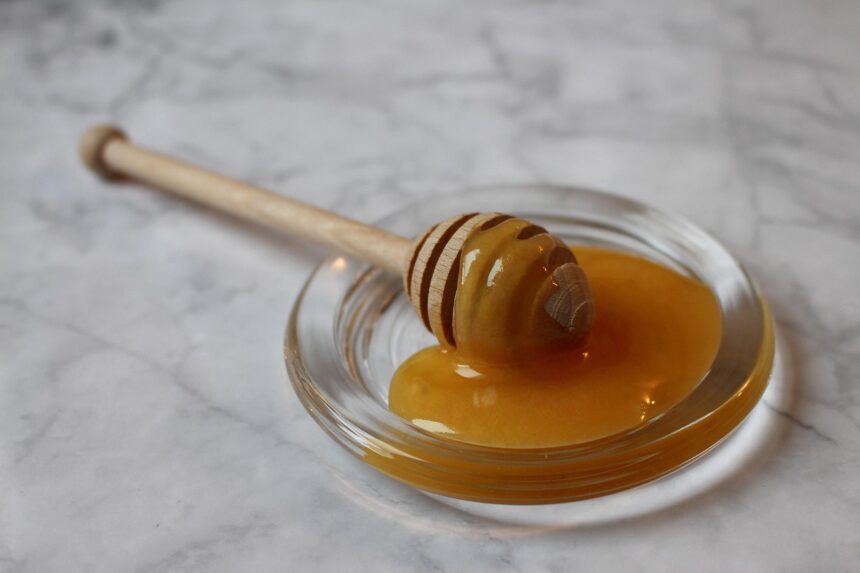
Honey
Honey is a natural sweetener with additional health-supporting properties.
What Makes Honey Different?
Honey is produced by bees from flower nectar. Unlike refined sugar, it contains small amounts of vitamins, minerals, enzymes, and antioxidants. It has been used traditionally for both food and medicinal purposes for centuries.
Health Benefits of Honey
- Contains antioxidants that help protect cells from damage
- Has antibacterial and anti-inflammatory properties
- May soothe sore throats and support immune health
- Has a slightly lower glycemic effect than refined sugar
Despite these benefits, honey is still a concentrated source of sugar. Overconsumption can still lead to weight gain and blood sugar issues, especially for people with diabetes.
Dates
Dates provide natural sweetness in a whole-food form.
Why Dates Are Different
Dates are fruits, not just sweeteners. They contain natural sugars along with fiber, vitamins, and minerals such as potassium, magnesium, and iron. This makes them nutritionally richer than both sugar and honey.
Health Benefits of Dates
- High fiber content slows digestion and sugar absorption
- Supports healthy digestion and gut function
- Provides sustained energy without sharp blood sugar spikes
- Rich in antioxidants that reduce inflammation
- Helps promote fullness and reduce sugar cravings
Because dates are eaten whole, the body processes their sugars more slowly, making them a better option for blood sugar control when consumed in moderation.
MUST READ:Postpartum Health Tips for New Mothers
Comparing Sugar, Honey, and Dates
Each sweetener has a different nutritional profile and health impact.
- Sugar: High glycemic impact, no nutrients, should be limited
- Honey: Contains antioxidants and trace nutrients, better than sugar but still high in calories
- Dates: Rich in fiber and micronutrients, lowest glycemic impact among the three
From a health perspective, dates offer the most benefits, followed by honey, while refined sugar ranks last.
Which One Should You Choose?
The healthiest choice depends on your needs and how often you consume sweeteners.
Choose Sugar If:
- It is used occasionally and in very small amounts
- It is part of special or traditional recipes
Choose Honey If:
- You want a natural sweetener with some health benefits
- You are replacing refined sugar, not adding more sweetness
Choose Dates If:
- You prefer whole foods
- You want better blood sugar control
- You are looking for a more filling, nutrient-dense option
Tips for Reducing Sugar Intake
Healthier choices start with awareness and balance.
- Gradually reduce the amount of sweetener you use
- Combine sweet foods with protein or fiber
- Choose whole fruits over sweetened snacks
- Read food labels to avoid hidden sugars
Final Thought
When comparing sugar, honey, and dates, dates are clearly the healthiest option due to their fiber and nutrient content. Honey is a better alternative to refined sugar when used in moderation, while refined sugar should be consumed sparingly.
Ultimately, the goal is not just switching sweeteners but reducing dependence on sweetness altogether. A balanced approach to sweet foods supports better energy, weight management, and long-term health.