

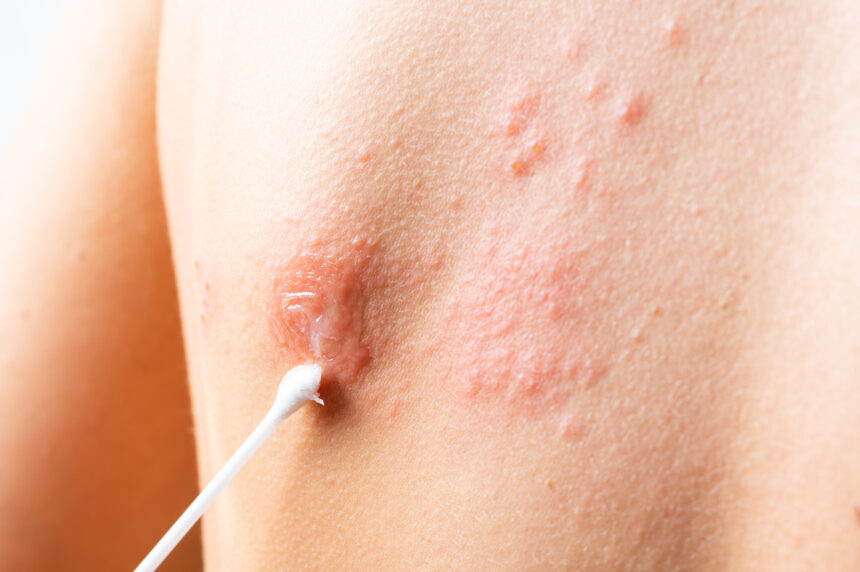
Fungal infections can affect the skin, nails, mouth and other parts of the body. Warmth, moisture, poor ventilation, close contact and certain health conditions can increase the risk, but simple hygiene and appropriate treatment can help prevent many infections.
Introduction
Fungi are microorganisms that live naturally in the environment. Some types can also live on the skin and inside the body without causing problems.
However, when fungi grow excessively or enter areas where they should not, they can cause an infection.
Fungal infections are common and can affect people of all ages. They may appear as itchy patches on the skin, discoloured or thickened nails, scaling between the toes, or white patches in the mouth.
Some fungal infections are mild and easy to treat, while others can persist or become more serious, particularly in people with weakened immune systems.
Understanding what causes fungal infections can help you reduce your risk and know when to seek treatment.
What Causes Fungal Infections?
Fungal infections occur when disease-causing fungi multiply excessively or enter the body. Several factors can make this more likely.
1. Warm and Moist Conditions
Fungi tend to thrive in warm, damp environments. Sweaty skin, wet clothing and damp areas between the toes can create conditions that allow fungi to multiply. This is one reason fungal infections are common in areas such as the feet, groin and skin folds.
2. Excessive Sweating
People who sweat heavily may have a higher risk of certain fungal skin infections. When sweat remains on the skin for long periods, especially in areas with limited airflow, moisture can accumulate. Changing out of sweaty clothes and keeping the skin clean and dry can help reduce this risk.
3. Wearing Tight or Poorly Ventilated Clothing
Tight clothing can trap heat and moisture against the skin. Synthetic materials may also reduce ventilation for some people. Loose-fitting clothing and breathable fabrics can help keep areas prone to sweating drier.
4. Walking Barefoot in Shared Wet Areas
Some fungal infections, particularly athlete’s foot, can spread through contact with contaminated surfaces. Changing rooms, communal showers, swimming-pool areas and other damp public spaces can provide opportunities for transmission. Wearing appropriate footwear in shared wet areas can reduce your risk.
5. Direct Skin-to-Skin Contact
Some fungal infections can spread from one person to another through direct contact. Ringworm, for example, is caused by fungi called dermatophytes and can spread through contact with an infected person’s skin. It can also spread through contact with infected animals.
6. Sharing Personal Items
Sharing items that come into contact with infected skin can sometimes spread fungal infections.
These may include:
- Towels
- Clothing
- Socks
- Shoes
- Hairbrushes
- Combs
- Nail clippers
Keeping personal items personal is particularly important when someone has a known fungal infection.
Common Types of Fungal Infections
Different fungi can affect different parts of the body.
Ringworm
Despite its name, ringworm is not caused by a worm. It is a fungal infection that can produce an itchy, scaly rash that may have a ring-like appearance. It can occur on the body, scalp, feet or groin.
Athlete’s Foot
Athlete’s foot commonly affects the skin between the toes and on the feet. Symptoms can include itching, burning, scaling, cracking and sometimes blisters. It is more likely to occur when feet remain warm and damp for long periods.
Jock Itch
Jock itch is a fungal infection affecting the groin area. It may cause an itchy, red or scaly rash that can spread to nearby skin. Keeping the groin area clean and dry can help reduce the risk.
Fungal Nail Infection
Fungi can infect the toenails or fingernails. An infected nail may become thickened, brittle, discoloured or distorted. Nail infections can be difficult to treat and may require prolonged treatment.
Oral Thrush
Oral thrush occurs when Candida, a type of yeast, grows excessively in the mouth. It can cause creamy white patches, soreness or redness inside the mouth.
It is more common in certain situations, including after some antibiotic treatments, with certain medical conditions or when the immune system is weakened.
MUST READ: Why Your Body Needs Healthy Fats
Who Is More Likely to Develop a Fungal Infection?
Although anyone can develop a fungal infection, certain factors can increase the risk. People may be more susceptible if they:
- Sweat heavily.
- Spend a lot of time in warm, humid environments.
- Have diabetes.
- Have a weakened immune system.
- Take certain medications, including some antibiotics or corticosteroids.
- Have damaged skin or nails.
- Wear tight or poorly ventilated footwear.
- Regularly use shared changing rooms or communal showers.
- Have frequent close contact with someone who has a fungal infection.
Having one of these risk factors does not mean that an infection will definitely occur.
Can Poor Hygiene Cause Fungal Infections?
Poor hygiene can contribute to the risk, but fungal infections are not simply a result of being “dirty.” Even people with good personal hygiene can develop fungal infections.
Warm weather, sweating, skin conditions, exposure to infected people or animals and certain medical conditions can all contribute.
How Can You Prevent Fungal Infections?
Good hygiene is one part of prevention, but it is not the only factor.
Keep Your Skin Clean and Dry
Wash regularly and dry your skin thoroughly, especially between the toes and in skin folds. Do not forget areas that tend to remain damp after bathing.
Change Sweaty Clothes
Change out of wet or sweaty clothing as soon as practical. Wash clothes regularly and allow shoes to dry properly before wearing them again.
Keep Your Feet Dry
Dry carefully between your toes after bathing. If your feet sweat heavily, changing socks regularly can help keep them dry.
Wear Appropriate Footwear
Avoid wearing damp shoes for prolonged periods. Choose footwear that allows reasonable ventilation and avoid sharing shoes or socks with other people.
Avoid Walking Barefoot in Shared Wet Areas
Wear appropriate footwear in communal showers, changing rooms and other shared wet environments.
Do Not Share Personal Items
Avoid sharing towels, socks, shoes, clothing, combs and other personal items that may come into contact with infected skin.
Protect Your Nails
Avoid sharing nail clippers and other manicure or pedicure equipment. If you visit a nail salon, make sure appropriate cleaning and sterilisation practices are followed.
Manage Underlying Health Conditions
Conditions such as diabetes can increase the risk of certain fungal infections. Keeping chronic health conditions properly managed can help reduce complications.
Does Scratching Make a Fungal Infection Worse?
It can. Scratching may damage the skin and create small openings that allow bacteria to enter. It can also spread infection from one part of the body to another if the affected area is scratched and another area is then touched.
Try to avoid scratching and seek appropriate treatment for persistent itching.
Can You Treat a Fungal Infection at Home?
Some mild fungal skin infections can respond to antifungal medicines available from pharmacies.
However, it is important to make sure that the problem is actually fungal. Several skin conditions can look similar, and using the wrong treatment can delay proper diagnosis.
Avoid repeatedly applying steroid creams to an undiagnosed rash without medical advice. Steroids can sometimes temporarily reduce redness and itching while allowing certain fungal infections to become more difficult to recognise or treat.
When Should You See a Healthcare Professional?
Seek medical advice if:
- The infection is spreading.
- The rash is painful or severe.
- The infection affects the scalp or nails.
- You have diabetes.
- You have a weakened immune system.
- Treatment from a pharmacy is not working.
- The infection keeps returning.
- You are not sure whether the rash is fungal.
- You develop fever or feel generally unwell.
Scalp fungal infections, particularly in children, often require medical treatment rather than simply applying an over-the-counter cream.
Final Thoughts
Fungal infections are common, but many can be prevented by reducing moisture, maintaining good hygiene, avoiding unnecessary sharing of personal items and taking care in communal wet environments.
Remember that fungal infections are not necessarily a sign of poor hygiene. Warm weather, sweating, close contact, underlying health conditions and other factors can all contribute.
If you develop a persistent, spreading or unusual rash, do not assume that it is automatically a fungal infection. Getting the correct diagnosis is important because different skin conditions require different treatments.