

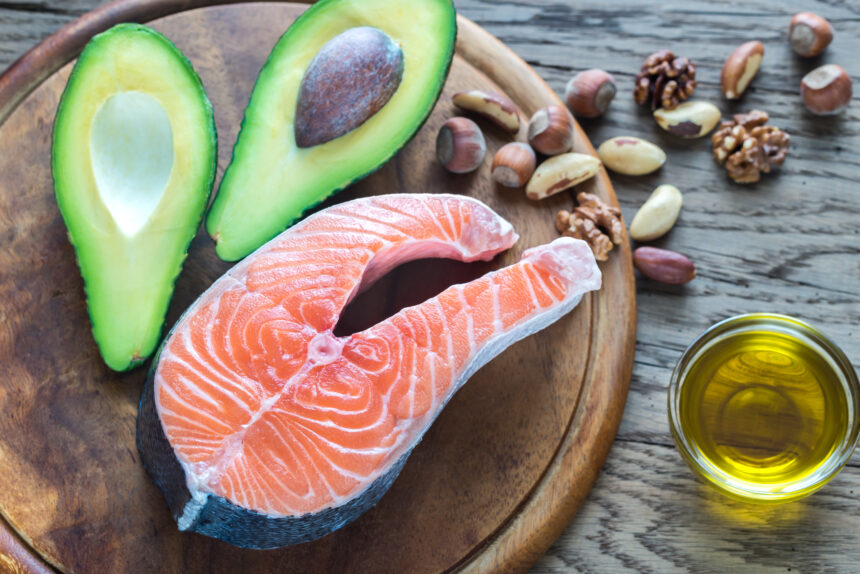
Fat is an essential part of a healthy diet, and avoiding it completely can deprive your body of important nutrients.
Introduction
For many years, dietary fat was often treated as something that should be avoided. This led many people to assume that eating fat automatically causes weight gain or poor health.
The reality is more complicated.
Your body needs some fat to function properly. The important question is not simply whether you eat fat, but which types of fat you eat and how much you consume.
Healthy fats can be found in foods such as avocados, nuts, seeds, olive oil, vegetable oils, fatty fish and some other whole foods. They can be part of a balanced diet when eaten in appropriate portions.
At the same time, not all fats have the same nutritional effects. Understanding the difference can help you make better choices.
What Are Healthy Fats?
Healthy fats generally refer to fats that can be included as part of a balanced eating pattern, particularly monounsaturated and polyunsaturated fats.
Polyunsaturated fats include essential fatty acids such as omega-3 and omega-6 fats. Your body cannot produce some of these fats in sufficient amounts, so you need to obtain them through food.
Examples of foods that provide healthy fats include:
- Avocado
- Nuts such as peanuts, almonds and walnuts
- Seeds such as chia, flax and sesame seeds
- Fatty fish such as sardines, salmon and mackerel
- Vegetable oils
- Soybeans and some soybean products
- Olives
Healthy fats are still high in calories, so portion size matters.
Why Does Your Body Need Healthy Fats?
Healthy fats provide energy, support the brain and heart, help your body absorb certain vitamins and play important roles in hormones and cell function.
1. They Provide Energy
Fat is a concentrated source of energy. Each gram of fat provides about nine calories, compared with about four calories per gram from carbohydrates or protein.
This makes dietary fat an efficient source of energy, although consuming too much can contribute to excess calorie intake.
The goal is therefore not to eat as much fat as possible, but to include appropriate amounts as part of a balanced diet.
2. They Help Your Body Absorb Certain Vitamins
Some vitamins need dietary fat to be absorbed properly. These include vitamins A, D, E and K, which are known as fat-soluble vitamins.
Eating vegetables and other foods containing these vitamins alongside a source of healthy fat can help your body absorb them.
For example, adding a small amount of healthy oil to a vegetable-based meal can help with the absorption of certain fat-soluble nutrients.
3. They Support Brain Function
Your brain contains a substantial amount of fat, and certain fats are important components of brain cells.
Omega-3 fatty acids, in particular, play important structural and functional roles in the brain. Fatty fish such as sardines, mackerel and salmon are good sources of omega-3 fats.
For people who do not eat fish, some plant foods such as flaxseeds, chia seeds and walnuts provide a type of omega-3 fat called alpha-linolenic acid (ALA).
4. They Support Heart Health
The type of fat you eat matters for cardiovascular health. Replacing some saturated fats with unsaturated fats can help improve blood cholesterol levels, which is one factor associated with cardiovascular disease risk.
Foods such as nuts, seeds, fish and vegetable oils can provide unsaturated fats. However, adding healthy fats to an already high-calorie diet is not automatically beneficial. Overall dietary pattern and calorie intake still matter.
5. They Help Build and Maintain Cell Membranes
Every cell in your body has a membrane, and fats are an important component of these membranes.
Cell membranes help regulate what enters and leaves cells and are essential for normal cellular communication and function.
Adequate dietary fat therefore supports processes taking place throughout your body.
6. They Help With Hormone Production and Regulation
Dietary fats are involved in several processes related to hormones and hormone-like substances in the body.
Certain fatty acids are used to produce molecules involved in inflammation, blood clotting and other physiological processes.
This is another reason why eliminating fat completely is not a healthy approach for most people.
7. They Help Keep You Full After Eating
Fat takes longer to digest than carbohydrates and can contribute to feelings of fullness after meals. Combining healthy fats with protein and fibre can make meals more satisfying.
For example, beans with vegetables and a moderate amount of avocado or another healthy fat can provide a combination of protein, fibre and fat.
This may help reduce the tendency to become hungry shortly after eating.
8. They Support Healthy Skin
Dietary fats contribute to the structure and function of the skin. Essential fatty acids are important components of skin-cell membranes and help support the skin barrier.
A diet that provides adequate essential fats, together with enough protein, vitamins, minerals and fluids, can support overall skin health.
However, eating more fat alone will not automatically solve skin problems.
9. They Help Protect Organs and Keep the Body Warm
Body fat has several important functions beyond energy storage. Fat tissue provides insulation, helping the body maintain temperature, and it also provides cushioning around some internal organs.
This does not mean that gaining excessive body fat is beneficial. It means that some body fat is a normal and necessary part of human physiology.
MUST READ: What You Should Know About Herpes Simplex Virus (HSV)
What Is the Difference Between Unsaturated and Saturated Fats?
Not all dietary fats have the same effects.
Unsaturated fats include monounsaturated and polyunsaturated fats. These are commonly found in foods such as fish, nuts, seeds, avocados and many plant oils.
Saturated fats are found in foods such as fatty meats, butter, full-fat dairy products and some tropical oils.
Saturated fat does not need to be completely eliminated, but health guidelines generally recommend limiting excessive intake and replacing some saturated fat with unsaturated fat where appropriate.
What About Trans Fats?
Trans fats are a type of fat that can negatively affect cardiovascular health. Industrially produced trans fats have been used in some processed foods and partially hydrogenated oils.
Many health authorities recommend avoiding industrial trans fats as much as possible. When choosing packaged foods, checking ingredient labels can help you identify partially hydrogenated oils where they are listed.
Healthy Fat Does Not Mean Unlimited Fat
This is an important point. Even healthy fats contain a lot of calories.
A handful of nuts can be nutritious, but eating several handfuls throughout the day can add a substantial amount of calories. The same applies to oils, avocado, seeds and other high-fat foods.
If you are trying to manage your weight, portion control still matters even when your fat sources are nutritious.
Good Sources of Healthy Fats
The following are good sources of healthy fats:
Avocado
Avocado provides mostly monounsaturated fat along with fibre and several vitamins and minerals. It can be added to salads, sandwiches or meals in moderate portions.
Nuts and Peanuts
Nuts and peanuts provide healthy fats, protein, fibre and other nutrients. Choose minimally processed options where possible and be mindful of portions.
Seeds
Chia, flax, sesame and pumpkin seeds can provide healthy fats along with fibre, minerals and other nutrients. They can be added to cereals, yoghurt, smoothies or meals.
Fatty Fish
Sardines, mackerel, salmon and other oily fish are valuable sources of omega-3 fatty acids. Fish can be part of a heart-healthy eating pattern when prepared without excessive amounts of salt or unhealthy fats.
Vegetable Oils
Some vegetable oils are rich in unsaturated fats. Use them in reasonable quantities for cooking or preparing meals rather than assuming that a large amount is healthier simply because the oil is plant-based.
How Much Healthy Fat Should You Eat?
There is no single amount that is appropriate for every person. Your needs depend on your total calorie requirements, age, activity level, health status and overall dietary pattern.
Instead of focusing only on a specific number, consider the quality of your fat sources. Choose more unsaturated fats and limit excessive amounts of saturated and industrial trans fats.
Also remember that healthy fats should complement a diet that includes vegetables, fruits, whole grains, legumes and appropriate sources of protein.
Final Thoughts
Your body needs dietary fat to support energy production, brain function, cell structure, hormone-related processes and the absorption of vitamins A, D, E and K.
Foods such as fish, nuts, seeds, avocado and appropriate vegetable oils can provide beneficial unsaturated fats. At the same time, excessive saturated fat and industrial trans fats should be limited.
Healthy fats are not something you need to fear. They are an important part of a balanced diet when consumed in appropriate amounts.