

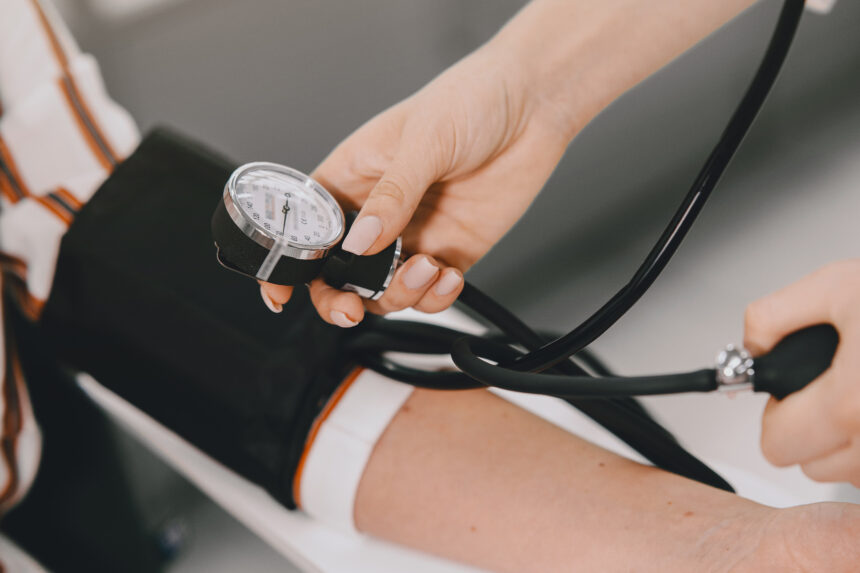
High blood pressure is often associated with older adults, but it can also affect teenagers and young adults. From family history and unhealthy eating habits to stress, obesity and underlying medical conditions, several factors can increase the risk of developing hypertension earlier in life.
Introduction
High blood pressure, medically known as hypertension, is a health condition in which the force of blood pushing against the walls of the arteries remains consistently higher than normal. It is a major risk factor for heart disease, stroke, kidney disease and other serious health complications.
Many people assume that hypertension is a condition that develops only as someone gets older. However, younger people can also develop high blood pressure, sometimes without experiencing any obvious symptoms.
In recent years, hypertension has become an important health concern among younger populations. Changes in eating habits, reduced physical activity, increasing rates of obesity, alcohol consumption and other lifestyle factors may contribute to this problem.
What makes the condition particularly concerning is that many young people may not realise they have high blood pressure until they undergo a routine medical check or develop complications.
Understanding why hypertension can develop at a young age is important because early detection and appropriate management can help reduce the risk of long-term health problems.
What Is High Blood Pressure?
Blood pressure refers to the force exerted by circulating blood against the walls of the arteries. It is measured using two numbers.
- Systolic pressure: The upper number, which measures the pressure in the arteries when the heart contracts and pumps blood.
- Diastolic pressure: The lower number, which measures the pressure in the arteries when the heart relaxes between beats.
A blood pressure reading is written as two numbers, such as 120/80 mmHg.
For adults, a reading of 140/90 mmHg or higher is classified as hypertension under the World Health Organization’s diagnostic guidance when confirmed through appropriate measurements.
Some clinical guidelines classify blood pressure as high from lower readings, including 130/80 mmHg. The interpretation depends on the guideline being used, the person’s circumstances and repeated measurements.
High blood pressure is not diagnosed from one unusually high reading alone. It generally requires repeated measurements taken correctly, often on different occasions.
Why Do Some People Develop High Blood Pressure at a Young Age?
Several factors can contribute to hypertension in younger people. Some are related to lifestyle, while others involve genetics, hormones, kidney function or underlying medical conditions.
The following are eight important factors that may explain why some people develop high blood pressure earlier in life.
1. Family History and Genetics
Genetics can influence a person’s likelihood of developing high blood pressure. If one or both parents have hypertension, their children may have a higher risk of developing the condition.
This is partly because genes can influence how the body regulates sodium, fluid balance, blood vessel function and hormones involved in blood pressure control.
However, having a family history of hypertension does not mean that a young person will definitely develop it. Lifestyle choices, regular health checks and early management of risk factors can make a difference.
2. Excessive Salt Consumption
Eating too much salt is one of the dietary factors associated with high blood pressure.
Salt contains sodium, which helps regulate fluid balance in the body. However, consuming excessive amounts can cause the body to retain more water, increasing the volume of blood circulating through the blood vessels and placing additional pressure on their walls.
Some common sources of excessive sodium in everyday Nigerian diets include seasoning cubes, salty snacks, processed meats, instant noodles, canned foods and heavily salted fish.
Reducing excessive salt intake and choosing more fresh, minimally processed foods can help support healthy blood pressure.
3. Being Overweight or Obese
Excess body weight can increase the workload placed on the heart and affect the way the body regulates blood pressure.
People living with obesity may experience changes in hormone activity, insulin sensitivity, kidney function and blood vessel health. These changes can contribute to hypertension.
Young adults who spend long hours sitting, consume excessive calories and engage in little physical activity may be at greater risk of unhealthy weight gain.
Maintaining a healthy weight through balanced eating habits and regular physical activity can help reduce this risk.
4. Lack of Physical Activity
Regular physical activity helps the heart work more efficiently and supports healthy blood vessel function.
However, many young people spend several hours sitting at work, attending classes, using computers or watching television. When physical activity becomes limited, the risk of weight gain and other cardiovascular problems may increase.
A lack of exercise can also contribute to insulin resistance and poor overall cardiovascular fitness, which may indirectly increase the risk of hypertension.
Adults should aim for at least 150 minutes of moderate-intensity physical activity each week, such as brisk walking, cycling or swimming, alongside muscle-strengthening activities where possible.
5. Chronic Stress and Poor Sleep
Stress is a normal part of life, but prolonged or poorly managed stress can affect cardiovascular health.
When a person experiences stress, the body releases hormones such as adrenaline and cortisol. These hormones can temporarily increase heart rate and blood pressure.
Repeated exposure to stressful situations, especially when combined with unhealthy coping habits, may contribute to long-term health problems.
Poor sleep can also affect blood pressure regulation. People who regularly sleep for insufficient periods or have sleep disorders such as obstructive sleep apnoea may have an increased risk of hypertension.
Developing healthy sleep habits, managing stress and seeking help when sleep problems persist can support better cardiovascular health.
6. Excessive Alcohol Consumption and Smoking
Alcohol consumption and smoking can negatively affect blood vessels and cardiovascular health.
Drinking excessive amounts of alcohol can raise blood pressure over time. Smoking exposes the body to nicotine and other harmful chemicals that can cause blood vessels to narrow temporarily, increase heart rate and damage the lining of the arteries.
Regular smoking also increases the risk of heart disease and stroke, even in younger adults.
Avoiding tobacco products and limiting or avoiding alcohol can help protect the heart and blood vessels.
7. Underlying Kidney and Hormonal Conditions
Not every case of high blood pressure in a young person is caused by lifestyle habits. Sometimes, hypertension develops because of an underlying medical condition.
The kidneys play an important role in controlling blood pressure by regulating fluid and sodium levels in the body. Kidney diseases can interfere with this process and lead to hypertension.
Certain hormonal conditions can also cause high blood pressure. Examples include:
- Hyperaldosteronism: A condition in which the body produces too much aldosterone, a hormone that helps regulate sodium and potassium.
- Thyroid disorders: Both overactive and underactive thyroid conditions can affect cardiovascular function and blood pressure.
- Cushing’s syndrome: A condition associated with prolonged exposure to excessive cortisol.
- Renal artery narrowing: Reduced blood flow through the arteries supplying the kidneys can contribute to high blood pressure.
When hypertension develops at a particularly young age, is severe or is difficult to control, healthcare professionals may investigate these possible causes.
8. Certain Medications and Substances
Some medications and substances can increase blood pressure, even in people who are otherwise young and healthy.
Examples include certain painkillers, particularly non-steroidal anti-inflammatory drugs (NSAIDs), some hormonal contraceptives, corticosteroids, stimulant medications and certain cold or nasal decongestant preparations.
Some recreational substances and unregulated weight-loss products can also raise blood pressure and increase cardiovascular risks.
This does not mean that people should stop prescribed medication without medical advice. Anyone concerned about a medication’s effect on blood pressure should discuss it with a healthcare professional.
MUST READ: 10 Foods That Can Help Support Healthy Blood Circulation
Can High Blood Pressure Occur Without Symptoms?
Yes. High blood pressure is often called a silent condition because many people do not experience noticeable symptoms, even when their readings are significantly elevated.
Some people may experience headaches, dizziness, blurred vision or palpitations, but these symptoms are not reliable ways to identify hypertension. They can also occur because of other health conditions.
The only dependable way to know whether your blood pressure is elevated is to have it measured properly.
Young adults should not assume that they are protected from hypertension simply because they feel healthy or have no symptoms.
Why Is High Blood Pressure at a Young Age Dangerous?
Developing hypertension early in life can mean that the heart and blood vessels are exposed to elevated pressure for many years.
If the condition remains uncontrolled, it can gradually damage important organs and increase the risk of:
Heart disease: The heart may have to work harder to pump blood, potentially leading to thickening of the heart muscle and heart failure.
Stroke: Persistent high blood pressure can damage blood vessels in the brain and increase the risk of stroke.
Kidney damage: High blood pressure can damage the small blood vessels responsible for filtering waste from the blood.
Vision problems: Damage to the blood vessels in the eyes can lead to hypertensive retinopathy and, in severe cases, vision loss.
Peripheral artery disease: Hypertension can contribute to damage and narrowing of arteries supplying the legs and other parts of the body.
Early detection and appropriate treatment can help reduce these risks.
How Can Young People Reduce Their Risk of High Blood Pressure?
Although some risk factors, such as genetics and certain medical conditions, cannot be changed, many lifestyle-related risks can be managed.
Here are practical steps young people can take to support healthy blood pressure.
- Reduce excessive salt intake: Limit heavily salted foods, processed meats, salty snacks and excessive seasoning cubes.
- Eat a balanced diet: Include vegetables, fruits, beans, whole grains, nuts, fish and other nutrient-rich foods.
- Exercise regularly: Engage in activities such as brisk walking, cycling, swimming or dancing.
- Maintain a healthy weight: Avoid extreme diets and focus on sustainable eating and activity habits.
- Avoid smoking: Do not use cigarettes or other tobacco products, and avoid secondhand smoke.
- Limit alcohol consumption: Avoid excessive drinking and consider avoiding alcohol altogether.
- Get adequate sleep: Establish a regular sleeping routine and seek medical advice for persistent sleep problems.
- Manage stress: Make time for relaxation, physical activity and activities that support emotional well-being.
- Check your blood pressure: Do not wait until you experience symptoms before checking your blood pressure.
- Attend routine medical checks: Seek professional assessment if your readings are repeatedly elevated or if you have a family history of hypertension.
When Should a Young Person See a Doctor?
A young person should seek medical advice if repeated blood pressure measurements are higher than the recommended range.
Medical assessment is particularly important when hypertension develops before age 30, when readings are very high, or when there are symptoms or signs suggesting an underlying kidney, hormonal or cardiovascular condition.
A single high reading should be repeated using the correct technique, preferably with a properly sized cuff after sitting quietly for several minutes.
If blood pressure is around 180/120 mmHg or higher, repeat the measurement after at least one minute. If it remains that high, seek immediate medical guidance. If it is accompanied by chest pain, difficulty breathing, severe headache, weakness, confusion or changes in vision, seek emergency medical care.
Do not attempt to manage persistent high blood pressure using herbal mixtures or supplements without professional advice. Effective treatment may involve lifestyle changes, medication or investigation of an underlying condition.
Final Thoughts
High blood pressure is not exclusively a health problem for older adults. Young people can also develop hypertension because of family history, excessive salt consumption, obesity, physical inactivity, stress, smoking, alcohol use and certain underlying medical conditions.
The condition can be particularly dangerous when it develops early and remains undetected for years. However, regular blood pressure checks, healthy lifestyle habits and timely medical attention can help reduce the risk of complications.