

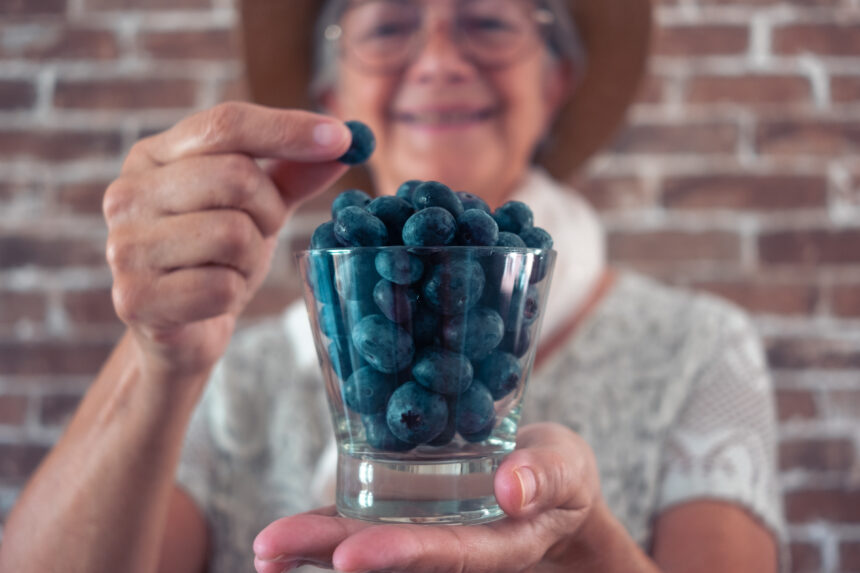
The secret to aging well may be closer than you think. By choosing nutrient-rich foods, you can nourish your skin, protect your body from age-related decline, and support overall wellness for years to come.
Introduction
Aging is a natural part of life, but the way we age is influenced by many factors, including genetics, lifestyle, and nutrition. While there is no magic food that can stop the aging process, research continues to show that certain foods can help protect the skin, reduce inflammation, support healthy cells, and lower the risk of chronic diseases associated with aging.
As we get older, our bodies produce less collagen, skin becomes thinner and less elastic, and our nutritional needs change.
This makes it even more important to consume foods that provide the vitamins, minerals, antioxidants, healthy fats, and proteins needed to support healthy aging.
Fortunately, some of the most effective foods for healthy aging are affordable, widely available, and easy to incorporate into everyday meals.
Foods That Support Healthy Aging
The foods you eat today can influence how well your skin and body function tomorrow. The following foods provide key nutrients that help protect against the visible and invisible effects of aging.
1. Fatty Fish
Fatty fish such as salmon, sardines, mackerel, and trout are among the best foods for healthy aging. They are rich in omega-3 fatty acids, which help maintain skin elasticity and hydration while reducing inflammation throughout the body.
These healthy fats also support heart health and brain function, both of which become increasingly important with age.
2. Avocados
Avocados are packed with heart-healthy monounsaturated fats that help keep the skin moisturized and supple.
They also contain vitamins E and C, two antioxidants that play important roles in protecting skin cells from damage and supporting collagen production. Regular consumption of avocados may contribute to healthier-looking skin and better cardiovascular health.
3. Berries
Blueberries, strawberries, raspberries, and blackberries are rich sources of antioxidants that help fight oxidative stress, one of the major contributors to aging.
These fruits contain compounds that protect cells from damage caused by free radicals and may help maintain healthier skin while supporting cognitive function and immune health.
4. Leafy Green Vegetables
Dark leafy greens such as spinach, kale, and ugu are loaded with nutrients that support healthy aging.
They provide vitamins A, C, and K, along with powerful antioxidants that help protect skin cells and support tissue repair. Their high nutrient density makes them an essential component of a diet designed for long-term health.
5. Nuts
Nuts, particularly almonds and walnuts, provide a combination of healthy fats, protein, vitamin E, and antioxidants.
Vitamin E is especially valuable because it helps protect the skin from environmental damage and supports skin repair. Including nuts as part of a balanced diet can also contribute to better heart health and sustained energy levels.
6. Tomatoes
Tomatoes are one of the richest dietary sources of lycopene, a powerful antioxidant known for its protective effects on the skin.
Lycopene helps defend the skin against damage caused by sunlight and environmental pollutants. In addition, tomatoes provide vitamin C, which supports collagen production and healthy skin structure.
7. Sweet Potatoes
Sweet potatoes contain high amounts of beta-carotene, a plant compound that the body converts into vitamin A.
This nutrient supports healthy skin cell turnover and helps protect the skin from dryness and premature aging. Sweet potatoes also provide fiber and other nutrients that support digestive and immune health.
8. Green Tea
Green tea has earned its reputation as a healthy beverage because of its high concentration of polyphenols and catechins, compounds that help protect cells from oxidative damage.
Regular consumption of green tea may help reduce inflammation, support skin health, and contribute to overall wellness as people age.
9. Yogurt
Yogurt provides protein, calcium, and beneficial bacteria known as probiotics. These probiotics support gut health, which is increasingly recognized as an important factor in skin health, immunity, and overall well-being.
The protein content of yogurt also helps preserve muscle mass, which naturally declines with age.
10. Beans and Lentils
Beans and lentils are nutritional powerhouses that combine plant-based protein, fiber, vitamins, and minerals.
They help support muscle maintenance, digestive health, and blood sugar control. Their nutrient density makes them an excellent addition to an eating pattern focused on healthy aging.
MUST READ: Fiber vs. Protein: Which Is More Important?
Why These Foods Matter
Healthy aging is about more than appearance. It is about maintaining the strength, energy, and vitality needed to enjoy life as the years go by.
The foods highlighted above contain nutrients that work together to protect cells, reduce inflammation, support collagen production, strengthen immunity, and maintain the health of vital organs. When consumed as part of a balanced diet, they can help promote both healthier skin and better overall health.
Final Thoughts
There is no single food that can prevent aging, but a diet rich in nutrient-dense foods can help you age more gracefully and maintain your quality of life. The choices you make at the dining table every day can influence your skin health, energy levels, cognitive function, and overall well-being.
Rather than focusing on expensive supplements or quick fixes, prioritize wholesome foods that nourish your body from within. Healthy aging begins with consistent, healthy eating habits, and it is never too early or too late to start.