

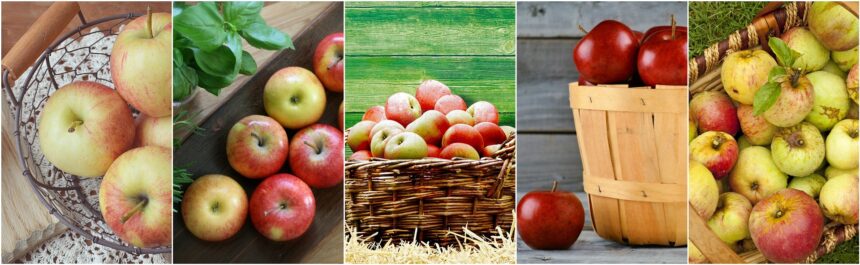
Fruits are naturally rich in fiber, vitamins, and antioxidants, making them an excellent addition to a weight loss diet.
Introduction
When trying to lose weight, many people mistakenly believe they must avoid fruits because they contain natural sugars.
In reality, whole fruits are among the healthiest foods you can eat while managing your weight. They are low in calories, high in water and fiber, and packed with nutrients that support metabolism and overall wellbeing.
The fiber and water content in fruits help you feel full for longer periods, reducing the urge to snack on high-calorie processed foods.
Additionally, fruits provide essential vitamins and antioxidants that help the body function properly during calorie reduction.
Including the right fruits in your diet can support healthy, sustainable weight loss while still allowing you to enjoy naturally sweet and satisfying foods.
Why Fruits Support Weight Loss
Fruits are naturally low in energy density, meaning they provide fewer calories compared to their volume.
This allows you to eat satisfying portions without consuming excessive calories. The fiber found in most fruits slows digestion and helps regulate blood sugar levels, preventing sudden hunger spikes.
Many fruits also contain high water content, which contributes to hydration and fullness. When incorporated into balanced meals or used as healthy snacks, fruits can replace high-calorie desserts and processed snacks, supporting gradual and sustainable weight loss.
Fruits That Can Support Healthy Weight Loss
Choosing the right fruits can make it easier to manage cravings while maintaining a balanced and sustainable weight-loss diet.
1. Apples
Apples are one of the most filling fruits due to their high fiber and water content. The soluble fiber in apples slows digestion and helps you feel satisfied for longer periods.
This can reduce unnecessary snacking between meals.They are also relatively low in calories while still providing important nutrients such as vitamin C and antioxidants.
Eating apples as a snack or adding them to oatmeal or yogurt can help support appetite control during weight loss.
2. Bananas
Bananas often get a bad reputation because they contain more carbohydrates than some fruits. However, they are rich in fiber and potassium, which help support digestion and muscle function.
Bananas can provide quick energy before workouts and help reduce cravings for sugary snacks. When eaten in moderation, they can easily fit into a healthy weight-loss plan.
3. Berries
Berries such as strawberries, blueberries, and raspberries are among the most nutrient-dense fruits available. They are low in calories but rich in antioxidants and fiber, which help regulate blood sugar levels.
Their natural sweetness makes them an excellent substitute for high-sugar desserts. Adding berries to yogurt, oatmeal, or smoothies can enhance flavor while keeping calorie intake low.
4. Grapefruit
Grapefruit is widely known for its role in many weight-loss diets. It is low in calories and high in water content, which can promote fullness before meals.
Some studies suggest that eating grapefruit before meals may help reduce overall calorie intake. Its refreshing taste also makes it a good addition to breakfast or fruit salads.
5. Watermelon
Watermelon contains a very high percentage of water, making it refreshing and filling despite its low calorie content. Because it is hydrating, it can help reduce the likelihood of confusing thirst with hunger.
Although it tastes very sweet, watermelon is relatively low in calories when consumed in moderate portions. It can serve as a satisfying alternative to sugary snacks.
6. Pawpaw (Papaya)
Pawpaw is a nutrient-rich fruit that supports digestion due to the enzyme papain. It is also high in fiber, vitamin C, and antioxidants that support overall health.
Because it is naturally sweet and low in calories, pawpaw can satisfy sweet cravings while still supporting weight management. It is particularly refreshing when eaten fresh in the morning.
7. Avocado
Although technically a fruit, avocado is unique because it contains healthy fats rather than large amounts of natural sugars. These healthy fats help increase satiety and reduce hunger between meals.
Avocado also contains fiber and essential nutrients that support heart health. When eaten in moderate portions, it can help keep you full and prevent overeating later in the day.
MUST READ:6 Reasons Why Crash Diets Always Fail
How to Include Fruits in a Weight-Loss Diet
Fruits work best when combined with balanced meals that include protein and healthy fats. Pairing fruits with foods like yogurt, nuts, or oats can slow digestion and keep you full longer.
It is also helpful to choose whole fruits rather than fruit juices. Whole fruits contain fiber that helps regulate blood sugar, while juices often concentrate natural sugars and remove much of the fiber.
Final Thoughts
Fruits can be a powerful ally in a healthy weight-loss journey. Their fiber, water content, and essential nutrients help control hunger while supporting overall health.
Incorporating fruits like apples, berries, pawpaw, and watermelon into your daily routine can make healthy eating both enjoyable and effective.